
Aubergine Pickle
A tangy-sweet Indian aubergine pickle built on a garlic, ginger and chilli paste, whole warm spices and malt vinegar. It tastes hot, sharp and lightly sweet, with soft pieces of aubergine.
Whole spices for the oil
11 gFried at the start of cooking (step 2)Chilli powder for the simmer
3.3 gAdded with the aubergine and vinegar (step 3)Paste spice
3.4 gBlended into the garlic-ginger paste (step 1)Everything else

Method
- For the paste, put 45 g garlic, 20 g ginger, 3 g green bird's eye chilli, 6 g sesame seed and the paste spice in a blender. Add 30–45 g malt vinegar and blend to a smooth paste. Set aside.
- Heat 183 g mustard or vegetable oil in a wide pan over medium heat. Add the whole spices for the oil, keeping the fenugreek back. When the cumin and mustard seeds begin to pop, add the fenugreek and fry for 5 seconds.
- Stir in the paste and cook over medium heat for 5–6 minutes, stirring often.
- Add the chilli powder for the simmer, 400 g aubergine, 142 g malt vinegar, 37.8 g caster sugar and 5.8 g salt. Bring to a boil, then simmer uncovered on low heat for 30 minutes, stirring every 15 minutes.
- Let the mixture cool completely. Spoon it into a clean sterilised jar and seal. Store for a week before opening; it will keep for several weeks.
Don't have something?


 Groundnut oil
Use the same weight; neutral, so the dish will lack mustard heat unless you add mustard seeds.
 Sunflower oil
Use the same weight; neutral and light, but no pungency.
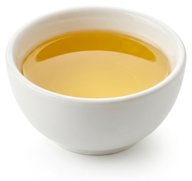 Vegetable or corn oil
Use the same weight; plain and neutral, best when mustard oil is omitted for a milder dish.


 Ground cumin
Use 70% of the weight; add with ground spices or sauce bases rather than hot oil tempering, where it scorches quickly and turns bitter.
 Black cumin seeds
Use equal weight for oil tempering. Delivers an earthy profile with an additional musky, smoky, and slightly bitter edge.
 Fennel seed
Use 60% of the weight for tempering; offers comparable warm aroma, but leans sweet and liquorice-like rather than savoury and earthy.


 Mustard seeds
Use equal weight. Pop in hot fat until they crackle and turn greyish; yields an almost identical nutty, pungent finish.
 Yellow mustard seeds
Use equal weight. Fry over medium heat; delivers a milder, sweeter pop and turns bitter quickly if the oil is excessively hot.


- Mustard seed
Use 50% of the weight, crush or grind. Sharper heat and less maple-bitter; fry briefly in oil before adding.
 Caraway seeds
Use the same weight, crush lightly. Similar bitter-seed note but more aniseed; reduce other sweet spices slightly.
 Ajwain seeds
Use 25–30% of the weight, crush. Much stronger thyme-like flavour; do not overdo.


 Mild paprika
Use the same weight for colour and low heat; add a small pinch of hot chilli powder if needed.
 Kashmiri chilli powder
Use the same weight; similar colour, slightly more heat. Taste before adding more.
 Red chilli powder
Use half the weight and make up with mild paprika; red chilli powder is usually hotter.


 Baby aubergine
Use the same weight; halve or quarter and cook 2–3 minutes longer. They hold their shape better in the sauce.
 Small aubergine
Use the same weight; slice or cube to the recipe's size. Similar flesh, slightly firmer.
 Round aubergine
Use the same weight; cube and salt for 10 minutes if the recipe does. It absorbs oil a little more.


 White malt vinegar
Use the same weight; sharper and clearer; reduce salt slightly.
 White vinegar
Use 90% of the weight, diluted with 10% water; harsher, so taste.
 Lime juice
Use the same weight; fresher sourness but no malt flavour; reduce salt.


 Granulated sugar
Use the same weight. It is slightly coarser, so stir a little longer to dissolve; in baking, grind briefly if a fine texture matters.
 Demerara sugar
Use the same weight, but dissolve it earlier as it is coarser. It adds a light caramel note and a little colour.
 Ground jaggery or soft brown sugar
Use the same weight; crush or grate jaggery first. It darkens the dish and adds molasses flavour, so reduce other liquid slightly.



 Garlic paste
Use equal weight. Fry gently in oil or ghee with the ginger; incorporates smoothly into curries without visible minced bits.
 Garlic powder
Use 15% to 20% of the weight (about 1 g for every 5 to 6 g fresh cloves). Whisk into sauces; gives a savoury, toasted garlic flavour without raw pungency.
 Shallot
Use 1.5 times the weight, very finely minced. Sauté until golden; provides savoury allium sweetness, though it lacks garlic's pungent sulphur bite.


 Ginger paste
Use equal weight. Sauté in hot fat until the raw allium smell disappears; slightly wetter, but provides identical warmth and pungency.
 Ground ginger
Use 20% to 25% of the weight (1 g for every 4 to 5 g fresh). Stir into the gravy; adds peppery heat and warmth, though it misses the crisp, zesty kick of raw root.


- Bird's eye green chilli
Use the same weight; heat and flavour are very close.
 Green chilli
Use 1.5 to 2 times the weight; deseed for less heat. Larger chillies are more watery.
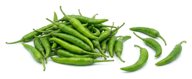 Fresh green chilli
Use 1.5 to 2 times the weight; chop finely and adjust heat by tasting.


 Ground coriander
Use 75% of the weight; stir in along with wet masala or tomato purée rather than frying in hot oil, as the fine powder burns instantly.
- Cumin seed
Use 50% of the weight for tempering in hot oil. Lacks the floral, sweet citrus flavour of coriander, introducing warm, pungent earthiness instead.
- Fennel seed
Use 50% of the weight in tempering; provides pleasant aromatic sweetness, though noticeably aniseedy rather than citrusy.


 White sesame seed
Use the same weight. Toast lightly before use; white seeds are milder and give a cleaner look.
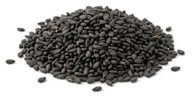 Black sesame seed
Use the same weight. They are stronger and more bitter; toast briefly and use slightly less if the dish is delicate.
 Peanut
Use the same weight, crushed or chopped. It gives crunch but not the same nutty sesame aroma.


Similar dishes

- Same: Goan Brinjal Pickle shares aubergine, vegetable oil, garlic, malt vinegar, black mustard seed, cumin seed and chilli with this dish.
- Different: It uses jaggery, curry leaf, turmeric and dried Kashmiri chillies, and lacks this dish's ginger, fenugreek, coriander seed, sesame seed and green bird's eye chilli; it is also meant to mature before eating.

- Same: Baingan Raita shares aubergine, cumin seed, black mustard seed, mild chilli powder and oil with this dish.
- Different: Baingan Raita uses yogurt, curry leaves, dried red chilli, turmeric and coriander leaves, and it lacks this dish's malt vinegar, sugar, garlic, ginger, fenugreek, sesame and coriander seeds.
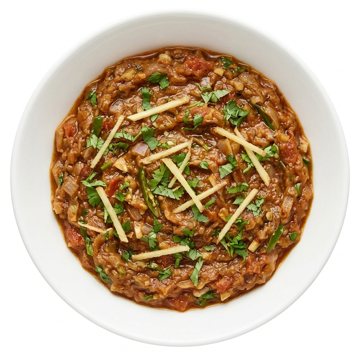
- Same: Baingan Ka Bharta shares aubergine, garlic, ginger, green bird's eye chilli and mild chilli powder with this dish.
- Different: Baingan Ka Bharta uses onion, tomato, tomato purée, turmeric and lemon juice, and lacks this dish's malt vinegar, sugar, mustard seed, fenugreek, cumin, sesame and pickle-style oil preservation.

- Same: Andhra Vankaya Thakkali shares aubergine, oil, mustard seed, cumin seed, coriander seeds, garlic and chilli with this dish.
- Different: Andhra Vankaya Thakkali adds tomato, onion, coconut, curry leaves, urad dal, turmeric and dried red chilli and is cooked as a thick gravy, while this dish uses malt vinegar, sugar, fenugreek, sesame and ginger to make a pickle.