Indian cooking
Indian cooking / Dishes / Baingan Ka Bharta
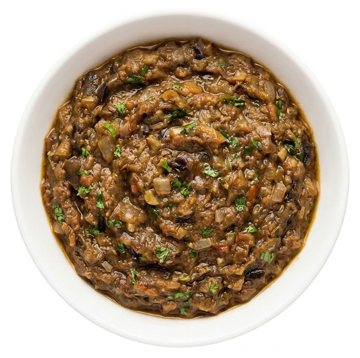
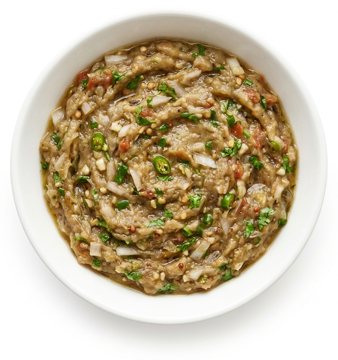
Baingan Ka Bharta (Smoky Aubergine with Spices, Tomato and Ginger)

Baingan Ka Bharta

Smoky Aubergine with Spices, Tomato and Ginger
Vegetarian

A smoky mashed aubergine dish cooked with onion, tomato, chilli and ginger, finished with lemon and coriander. It is soft, tangy and mildly spicy.

Ground spices for the sauce

1.2 gStirred in with the tomato purée after the tomatoes soften (step 4)
01
0.1 g½ pinch
spice
02
1.1 g½ teaspoon
spice
Weigh together; add with the tomato purée.

Everything else

01
400–600 g2–3 aubergines
vegetable
02
27 g2 tablespoons
oil/fat
03
3 g2 chillies
vegetable
04
150 g1 onion
vegetable
05
Garlic · Lehsunfinely chopped
12 g4 cloves
aromatic
06
Tomato · Tamatarfinely chopped
240 g2 tomatoes
vegetable
07
5 g1 teaspoon
vegetable
08
to taste
salt
09
3 g2 tablespoons
herb
10
15 g1 tablespoon
souring agent
11
Fresh ginger · Adrakcut into julienne strips
6 g1½ cm
aromatic

Method

  1. Char 400–600 g aubergine over a medium flame, rotating every 5–7 minutes, until the skin blackens and the flesh softens, 15–18 minutes.
  2. Scrape off the aubergine skin and discard it. Mash the flesh with a fork and set aside.
  3. Heat 27 g vegetable oil in a heavy-based saucepan over medium heat. Add 4 g green bird’s eye chilli, slit lengthways, and fry for a few seconds. Add 150 g onion and sauté for 8–10 minutes until softened and starting to colour.
  4. Stir in 12 g garlic and cook for 20–30 seconds. Add 240 g tomato and fry for 5–6 minutes until softened. Add 5.2 g tomato purée and the ground spices for the sauce; cook for 1 minute.
  5. Add the mashed aubergine and mix well. Cover and cook over low heat for 2 minutes.
  6. Season with salt to taste. Scatter over 3 g coriander leaves, 15.3 g lemon juice and 6 g ginger julienne, then mix.

Don't have something?

Aubergine
  • Baby aubergine

    Use the same weight; halve or quarter and cook 2–3 minutes longer. They hold their shape better in the sauce.

  • Small aubergine

    Use the same weight; slice or cube to the recipe's size. Similar flesh, slightly firmer.

  • Round aubergine

    Use the same weight; cube and salt for 10 minutes if the recipe does. It absorbs oil a little more.

Vegetable oil
  • Peanut oil

    Use 1:1 by weight. Handles high-heat frying identically and introduces a very subtle, pleasant nuttiness.

  • Ghee

    Use 1:1 by weight. Yields a much richer, authentic aroma and a glossy, heavier mouthfeel.

  • Mustard oil

    Use 1:1 by weight. Heat until smoking, then cool slightly before cooking to temper its intensely pungent, sharp mustard kick.

Green bird's eye chilli
  • Bird's eye green chilli

    Use the same weight; heat and flavour are very close.

  • Green chilli

    Use 1.5 to 2 times the weight; deseed for less heat. Larger chillies are more watery.

  • Fresh green chilli

    Use 1.5 to 2 times the weight; chop finely and adjust heat by tasting.

Onion
  • Shallot

    Use equal weight, finely sliced. Shallots soften and brown faster, giving a slightly sweeter and more delicate base to curries.

  • Cabbage

    Use 80% of the weight, finely shredded and browned slowly with a pinch of asafoetida. Replicates the bulk and natural sweetness in gravies without allium.

Garlic
  • Garlic paste

    Use equal weight. Fry gently in oil or ghee with the ginger; incorporates smoothly into curries without visible minced bits.

  • Garlic powder

    Use 15% to 20% of the weight (about 1 g for every 5 to 6 g fresh cloves). Whisk into sauces; gives a savoury, toasted garlic flavour without raw pungency.

  • Shallot

    Use 1.5 times the weight, very finely minced. Sauté until golden; provides savoury allium sweetness, though it lacks garlic's pungent sulphur bite.

Tomato
  • Tomato purée

    Use 40% to 50% of the fresh tomato weight mixed with a splash of water. Imparts a deeper red colour, thicker sauce, and slightly sweeter cooked flavour.

  • Plain yogurt

    Use 60% of the weight, whisked smooth and added on low heat. Provides rich body and sourness, though the gravy becomes paler and creamier.

Tomato purée
  • Tomato

    Use 200% to 250% of the weight. Finely grate or blend fresh tomatoes, then cook them down until the moisture evaporates and the oil separates.

Ground turmeric
  • Ground ginger

    Use 50% of the weight. Mimics turmeric's warm, earthy, rhizome background, but provides none of the golden-yellow colour.

  • Saffron

    Steep a tiny pinch (0.1 g per 2 g turmeric) in 2 tbsp warm water; use to match the rich golden hue. Contributes an aristocratic, honeyed floral flavour rather than earthy bitterness.

Mild chilli powder
  • Mild paprika

    Use the same weight for colour and low heat; add a small pinch of hot chilli powder if needed.

  • Kashmiri chilli powder

    Use the same weight; similar colour, slightly more heat. Taste before adding more.

  • Red chilli powder

    Use half the weight and make up with mild paprika; red chilli powder is usually hotter.

Coriander leaves
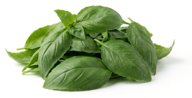
  • Coriander (cilantro) or basil

    Use the same weight, choosing the coriander element if available. If only basil is available, expect a sweeter, more aniseed flavour.

  • Basil leaves

    Use the same weight. Basil is sweeter and more aromatic in a different way; add near the end so it keeps its perfume.

  • Coriander paste

    Use 1.5 times the weight and reduce other liquid slightly; it is less fresh and more concentrated, so taste before adding more.

Lemon juice
  • Lime juice

    Use equal volume or weight; delivers almost identical sharp acidity with a faintly more aromatic, bitter-edged profile.

  • Dried mango powder

    Use 25% of the weight (about 1 g amchoor for 4 g juice); provides clean fruity tartness without thinning the sauce.

  • White vinegar

    Use 75% of the volume; gives direct sourness without any citrus floral fragrance.

Fresh ginger
  • Ginger paste

    Use equal weight. Sauté in hot fat until the raw allium smell disappears; slightly wetter, but provides identical warmth and pungency.

  • Ground ginger

    Use 20% to 25% of the weight (1 g for every 4 to 5 g fresh). Stir into the gravy; adds peppery heat and warmth, though it misses the crisp, zesty kick of raw root.


Similar dishes

Bengali Begun Bhaja
Quick-Fried Aubergines with Turmeric and Chilli
Bengali Begun Bhaja is savoury and gently spicy with soft insides and crisp edges, while this dish is soft, tangy and mildly spicy.
  • Same: Bengali Begun Bhaja shares aubergine as the main ingredient, plus turmeric, mild chilli, salt and oil.
  • Different: Bengali Begun Bhaja uses thick aubergine rounds shallow-fried with turmeric and mild chilli, while this dish mashes smoky aubergine with onion, tomato, garlic, ginger, green chilli, lemon and coriander.
Baigan ka Bharta
Roasted Mashed Aubergine (Eggplant)
It tastes richer and more ghee-heavy, with cumin-clove aroma and no lemon tang, while this dish is tangier and milder.
  • Same: It shares smoky mashed aubergine braised with onion, tomato, garlic, ginger, green chilli, turmeric, chilli powder, coriander and salt with this dish.
  • Different: It uses 106 g ghee, groundnut oil, cumin seed and clove, has 800 g aubergine and more green chilli and garlic, and lacks this dish’s lemon juice and tomato purée.
Bengali Begun Pora
Smoked Aubergines with Mustard, Chilli & Lime
Bengali Begun Pora is soft and tangy with a lightly hot chilli edge, while this dish is mild and also gets heat from chilli powder.
  • Same: Bengali Begun Pora is a smoky mashed aubergine dish with onion, green bird's-eye chilli, tomato, coriander and salt, like this dish.
  • Different: It uses mustard oil instead of vegetable oil and lime instead of lemon, has more aubergine and less onion, tomato and garlic, and lacks ginger, turmeric, mild chilli powder and tomato purée.
Baingan Raita (Indian Kitchen)
Baingan Raita tastes creamy and cooling from the yogurt, tangy and mildly spicy, while this dish tastes soft, tangy from lemon and mildly spicy without a creamy yogurt base.
  • Same: Baingan Raita shares aubergine, vegetable oil, ground turmeric, mild chilli powder, salt and coriander leaves with this dish.
  • Different: Baingan Raita is a yogurt-based raita with cumin seed, black mustard seed, dried red chilli and curry leaf, while this dish has onion, tomato, garlic, ginger and lemon juice and no yogurt or mustard-seed tempering.