
Andhra Royalla Pullusu
A hot, sour prawn curry from Andhra, thickened with tomato and raw mango and finished with coconut and fresh herbs. It tastes tangy, chilli-hot and aromatic, with prawns just cooked through.
Prawn marinade spices
3.7 gTossed with the prawns before frying (step 2)Ground coriander for the sauce
5 gStirred into the softened tomato base (step 7)Everything else

Method
- Blend 10 g fresh ginger root, 15 g garlic and 49.7 g water to a smooth paste. Leave to stand.
- In a bowl, toss 300–360 g king prawn with the prawn marinade spices and leave to stand.
- Heat 27 g vegetable oil in a heavy saucepan over medium heat. Add 200 g finely chopped onion and fry for 10–12 minutes until light brown.
- Add 3–3.8 g curry leaf and 2 g green bird’s eye chilli, slit lengthways, and fry for 20 seconds.
- Add the ginger and garlic paste and stir for 1 minute, scraping the base of the pan.
- Add 170 g finely chopped tomato and 15.6 g tomato purée. Stir and cook for 4–5 minutes until the tomato softens.
- Add the ground coriander for the sauce and fry for 1 minute.
- Add the prawns with their marinade and cook for 1 minute.
- Lower the heat, add 248 g water and 70 g of the 140 g coarsely grated unripe mango, and season with salt. Cover and simmer for 5 minutes.
- Remove from the heat. Stir in the remaining 70 g unripe mango, 30 g freshly grated coconut, 14–16 g chopped mint and 30 g chopped coriander leaf.
Don't have something?
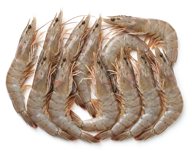
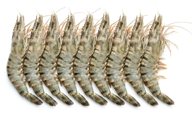 Tiger prawn
Use the same weight; split or halve if large. Same sweet shellfish flavour, similar cooking time.
 Large prawn
Use the same weight; they may need 1 minute less cooking. Slightly less sweet.
 Firm white fish fillet
Use the same weight, cut into chunks and add 2-3 minutes later. Flakes easily and lacks prawn juice.


 Ground ginger
Use 50% of the weight. Mimics turmeric's warm, earthy, rhizome background, but provides none of the golden-yellow colour.
 Saffron
Steep a tiny pinch (0.1 g per 2 g turmeric) in 2 tbsp warm water; use to match the rich golden hue. Contributes an aristocratic, honeyed floral flavour rather than earthy bitterness.


 Dried kashmiri chilli
Grind deseeded dried pods to an equal weight of powder; gives identical vivid red colour and gentle warmth.
 Red chilli powder
Use 25% of the weight mixed with sweet paprika for colour; straight red chilli powder is substantially hotter and will make the dish fiery.
 Chilli powder
Use one-third of the weight; the sauce will be less intensely red and notably sharper in heat.


 Peanut oil
Use 1:1 by weight. Handles high-heat frying identically and introduces a very subtle, pleasant nuttiness.
 Ghee
Use 1:1 by weight. Yields a much richer, authentic aroma and a glossy, heavier mouthfeel.
 Mustard oil
Use 1:1 by weight. Heat until smoking, then cool slightly before cooking to temper its intensely pungent, sharp mustard kick.






 Bay leaf
Fry 1 bay leaf for every 5 curry leaves in hot oil; imparts a warm, woodsy background note, but misses the citrus-sulphury punch entirely.
 Lime juice
Add a small squeeze (about 5 ml per sprig of curry leaves) right before serving; provides sharp citrus top notes without the toasty, herbal aroma.


- Bird's eye green chilli
Use the same weight; heat and flavour are very close.
 Green chilli
Use 1.5 to 2 times the weight; deseed for less heat. Larger chillies are more watery.
 Fresh green chilli
Use 1.5 to 2 times the weight; chop finely and adjust heat by tasting.


 Tomato purée
Use 40% to 50% of the fresh tomato weight mixed with a splash of water. Imparts a deeper red colour, thicker sauce, and slightly sweeter cooked flavour.
 Plain yogurt
Use 60% of the weight, whisked smooth and added on low heat. Provides rich body and sourness, though the gravy becomes paler and creamier.

- Tomato
Use 200% to 250% of the weight. Finely grate or blend fresh tomatoes, then cook them down until the moisture evaporates and the oil separates.

 Coriander seeds
Dry-roast lightly in a pan and grind to a fine powder; use equal weight (1:1). Offers a noticeably fresher, brighter citrus note.
 Ground cumin
Use 50% to 75% of the weight. Lacks the floral, citrusy profile of coriander and turns the gravy heavier, earthier, and darker.
 Garam masala
Use 50% of the weight and stir in near the end of cooking. Adds warmth and depth since it contains ground coriander, but introduces stronger spices like clove and cinnamon.


 Stock
Use the same weight in savoury dishes; it adds body, so adjust salt.
 Milk
Use the same weight only in doughs or creamy dishes; it makes the result richer.
 Coconut water
Use the same weight in curries or rice; it adds sweetness and a faint coconut taste.


 Raw green mango
Use the same weight; peel and grate or slice. It gives the same sourness and texture.
 Green mango
Use the same weight; peel and prepare as the recipe says. Check sourness before adding extra lime.
 Dried mango powder
For sourness only, use about 1–2 tsp (3–6 g) for 100 g mango and add with the spices. It gives no texture.



 Fresh coconut
Use equal weight freshly grated or diced. Delivers the identical sweet, milky taste and juicy texture.
 Desiccated coconut
Use 60% of the weight and soak in hot water or milk for 15 minutes before using. The finished dish will be slightly sweeter and less fibrous.
 Dried coconut
Finely grate and use 50% of the weight, soaked in hot water for 20 minutes. Yields a firmer chew and a denser, oilier coconut aroma.


 Dried mint
Use about 30% of the weight of fresh mint. Rub between your palms to crush before stirring in; the flavour will be more intensely herbal and less bright.
 Coriander leaf
Use equal weight, finely chopped. Adds fresh citrusy green notes, but lacks the cooling menthol lift.


 Ginger paste
Use equal weight. Sauté in hot fat until the raw allium smell disappears; slightly wetter, but provides identical warmth and pungency.
- Ground ginger
Use 20% to 25% of the weight (1 g for every 4 to 5 g fresh). Stir into the gravy; adds peppery heat and warmth, though it misses the crisp, zesty kick of raw root.


 Garlic paste
Use equal weight. Fry gently in oil or ghee with the ginger; incorporates smoothly into curries without visible minced bits.
 Garlic powder
Use 15% to 20% of the weight (about 1 g for every 5 to 6 g fresh cloves). Whisk into sauces; gives a savoury, toasted garlic flavour without raw pungency.
 Shallot
Use 1.5 times the weight, very finely minced. Sauté until golden; provides savoury allium sweetness, though it lacks garlic's pungent sulphur bite.


Similar dishes

- Same: Nellore Royalla Vepudu shares king prawns, curry leaves, turmeric, Kashmiri chilli powder, ginger, garlic, tomato and vegetable oil with this dish.
- Different: Nellore Royalla Vepudu is a dry fry with mustard seed, fennel seed and banana shallots, and it lacks this dish's raw mango, coconut, mint, tomato purée and added water.

- Same: Maharashtrian Kolambicha Kalwan shares king prawns, turmeric, vegetable oil, curry leaves, green bird’s-eye chilli, Kashmiri chilli powder, ginger, garlic, coconut and coriander leaf with this dish.
- Different: Maharashtrian Kolambicha Kalwan uses coconut milk, tamarind paste, malt vinegar, cumin seed and black peppercorn and lacks this dish’s onion, tomato, tomato purée, raw mango and mint.

- Same: Parsi Prawns Patia shares prawns, tomato, onion, garlic, turmeric, Kashmiri chilli, ground coriander, curry leaf and vegetable oil with this dish.
- Different: Parsi Prawns Patia uses vinegar, lemon and jaggery for sour-sweet balance plus mustard seed, cumin seed and black peppercorn, while this dish uses raw mango, coconut, mint, green bird’s eye chilli and ginger.

- Same: Both use king prawns, turmeric, Kashmiri chilli and ginger, and both are hot, aromatic prawn dishes.
- Different: Ginger-Marinated King Prawns with Turmeric, Mustard & Chilli uses yoghurt, chickpea flour, mustard oil and ground ginger in a grill marinade, while this dish is a wet curry with onion, tomato, tomato purée, raw mango, curry leaves, coconut, mint and coriander.