
Ginger-Marinated King Prawns with Turmeric, Mustard & Chilli
King prawns are coated in a tangy yoghurt marinade with ginger, mustard oil, turmeric and chilli, then grilled hot until lightly charred and just cooked. They taste sharp, warming and lightly smoky.
Marinade spices
8 gStirred into the yoghurt marinade (step 2)Everything else

Method
- In a large bowl, whisk 45 g greek yoghurt, 4 g chickpea flour, 10 g finely grated ginger root, 13.5 g mustard oil and salt to taste until smooth.
- Stir the marinade spices into the yoghurt mixture: 3 g ground turmeric, 1.3 g kashmiri chilli powder and 3.6 g ground ginger.
- Add 360–450 g king prawns and turn them until fully coated, then leave to marinate for 30 minutes.
- Heat the grill to its highest setting, line a baking tray with foil and put a wire rack over it.
- Rub the rack with smoked butter or ghee, lay the prawns on the rack and grill for 4 minutes.
- Brush the prawns with more smoked butter or ghee and grill for another 4 minutes, until lightly charred and cooked through.
Don't have something?
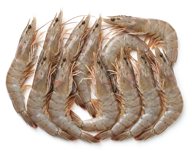
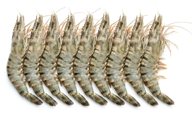 Tiger prawn
Use the same weight; split or halve if large. Same sweet shellfish flavour, similar cooking time.
 Large prawn
Use the same weight; they may need 1 minute less cooking. Slightly less sweet.
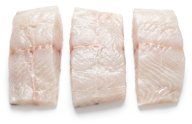 Firm white fish fillet
Use the same weight, cut into chunks and add 2-3 minutes later. Flakes easily and lacks prawn juice.


 Ghee
Use the same weight; pure fat, so use as directed. Add a pinch of paprika for colour; no smoke.
 Butter
Use the same weight; lower smoke point, so keep the heat moderate. Add salt if unsalted.
 Vegetable oil
Use 90% of the weight; neutral and will not burn, but lacks butter or ghee flavour. Add paprika for colour.


 Hung natural yoghurt
Use the same weight and whisk smooth; same thick consistency.
 Full-fat natural yoghurt
Use 1.25 times the weight and strain through muslin for 30 minutes; looser if not strained.
 Hung yogurt
Use the same weight; virtually identical.


 Yellow split pea flour
Use 100% of the weight. Many commercial gram flours are milled from split peas; performs identically in pakora batters and kadhi.
 Cornstarch
For crisping batters or binding cutlets: use 50% to 60% of the weight. Produces a very crisp shell but lacks the earthy, roasted nutty flavour of besan.


 Ginger paste
Use equal weight. Sauté in hot fat until the raw allium smell disappears; slightly wetter, but provides identical warmth and pungency.
 Ground ginger
Use 20% to 25% of the weight (1 g for every 4 to 5 g fresh). Stir into the gravy; adds peppery heat and warmth, though it misses the crisp, zesty kick of raw root.


 Peanut oil
Use equal weight. It handles high-heat cooking well, but lacks the signature pungent, nasal heat of mustard oil.
- Vegetable oil
Use equal weight. Neutral in flavour, so your curry will lack the characteristic Bengali or North Indian pungent punch.


- Ground ginger
Use 50% of the weight. Mimics turmeric's warm, earthy, rhizome background, but provides none of the golden-yellow colour.
 Saffron
Steep a tiny pinch (0.1 g per 2 g turmeric) in 2 tbsp warm water; use to match the rich golden hue. Contributes an aristocratic, honeyed floral flavour rather than earthy bitterness.


 Dried kashmiri chilli
Grind deseeded dried pods to an equal weight of powder; gives identical vivid red colour and gentle warmth.
 Red chilli powder
Use 25% of the weight mixed with sweet paprika for colour; straight red chilli powder is substantially hotter and will make the dish fiery.
 Chilli powder
Use one-third of the weight; the sauce will be less intensely red and notably sharper in heat.


- Ginger paste
Use 300% to 400% of the weight (e.g. 3–4 g paste for 1 g ground). Fry in oil alongside onions; provides a juicy, pungent kick rather than a dry, baking-spice heat.
- Fresh ginger
Peel and grate finely; use 300% to 400% of the weight. Add to the hot oil early; delivers bright, peppery warmth rather than the mellow, woody heat of dry ginger.
 Ground mace
Use 50% of the weight. Imparts a warm, spicy undertone in rich gravies, but lacks ginger's fiery, sharp zest.

Similar dishes

- Same: Nellore Royalla Vepudu shares king prawns and a ginger, turmeric and Kashmiri chilli marinade with this dish.
- Different: It uses vegetable oil, black mustard seed, banana shallot, curry leaf, garlic, fennel seed, tomato and bird's eye chilli, and it lacks yoghurt, chickpea flour, mustard oil and smoked butter or ghee; it is dry-fried rather than grilled.

- Same: Goan Prawn Balchao shares king prawns, ginger, turmeric, Kashmiri chilli and salt with this dish.
- Different: Goan Prawn Balchao uses vegetable oil, onion, garlic, vinegar, jaggery, curry leaf, cumin, peppercorn and fish sauce, and it is cooked as an oily preserve rather than a yoghurt-marinated grilled dish with mustard oil, ghee and chickpea flour.

- Same: Jhinga Adraki shares with this dish a yoghurt marinade for prawns, ginger, mustard oil, turmeric, chilli and salt, and a hot grill finish.
- Different: Jhinga Adraki uses hung yoghurt, lemon juice, ginger paste plus ground ginger and yellow chilli powder, skewers the prawns and finishes with melted butter, and it lacks this dish’s chickpea flour, smoked butter or ghee, and Kashmiri chilli powder.

- Same: Maharashtrian Kolambicha Kalwan shares king prawns, turmeric, Kashmiri chilli powder, ginger and salt with this dish.
- Different: Maharashtrian Kolambicha Kalwan is a simmered curry with coconut milk, coconut, tamarind, curry leaves, green chillies, garlic, cumin, peppercorn, malt vinegar and vegetable oil, while this dish is a grilled yoghurt-marinated prawn with mustard oil, chickpea flour and smoked butter or ghee.