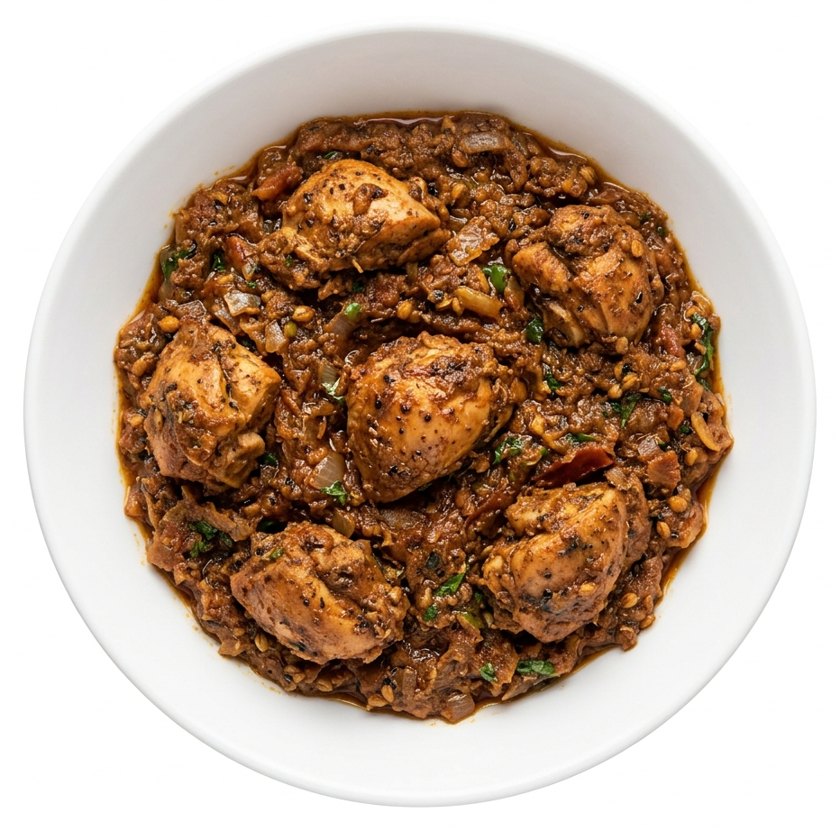
Amritsari Tawa Murg
Succulent chicken pieces pan-fried and coated in a bold, zesty onion and tomato masala seasoned with cracked black pepper and roasted cumin. It has a robust, savory heat balanced by a bright splash of lemon.
Marinade paste
55 gMixed with chicken to marinate (step 1)Whole crackling spices
12 gFried in the hot ghee (step 2)Ground spices for the sauce
3.9 gStirred into the softened tomatoes (step 4)Finishing spice
2.6 gSprinkled into the pan towards the end (step 5)Everything else

Method
- In a shallow container, mix the marinade paste with half of the ground fenugreek (½ teaspoon) and salt to taste. Rub this mixture thoroughly over 1000 g chicken, cover, and let it rest in the refrigerator for at least 30 minutes.
- Melt 52.8 g ghee in a heavy skillet or tawa over medium heat. Tip in the whole crackling spices and let them sizzle for 1 to 2 minutes until crackling and fragrant. Slide in the chicken along with all marinade juices and stir-fry over medium heat for 8 to 10 minutes, then lift the chicken out and set it aside.
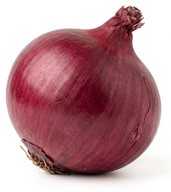
- Add 20 g garlic to the remaining fat in the pan and fry for 2 minutes. Add 2 chopped onions, 12 g ginger, 12 g green chilli, and 4 red chillies, cooking briskly for 5 minutes.
- Add 1 chopped tomato and cook until soft and pulpy. Stir in 200 g tomato purée, the remaining ground fenugreek (½ teaspoon), and the ground spices for the sauce. Sauté until the ghee separates from the paste.
- Return the chicken to the pan and toss for 2 minutes. Pour in 3 tablespoons chicken stock, then stir in the finishing spice and 30 g coriander. Taste and adjust salt, mix in the juice of 1 lemon, and transfer to a serving platter garnished with extra chopped coriander.
Don't have something?


 Fresh ginger
Use equal weight; peel and grate very finely on a microplane or pound to a fine paste in a mortar.
 Ginger
Use equal weight; mince finely and crush with the flat of a knife before frying.
 Ground ginger
Use 20% of the weight; add directly with the dry spice powders, though it yields an earthier, less pungent profile.


 Garlic
Use equal weight; crush or finely grate to a smooth pulp to replicate the same fresh, pungent moisture in your base gravy.
 Garlic powder
Use 20 to 25% of the weight; mix with a teaspoon of water before adding to oil so it does not burn, noting it lacks the fresh bite.


 Red chilli powder
Use 100% of the weight. Provides direct, sharp heat and red colour in equal measure.
 Kashmiri chilli powder
Use 150% to 200% of the weight if matching colour, but add a pinch of black pepper or hot chilli if you need equivalent fiery heat.
 Cayenne pepper
Use 75% to 100% of the weight. Offers a sharp, clean heat with slightly less earthy depth and less crimson colour.


 Fenugreek seed
Grind the same weight fresh; it is slightly more bitter and pungent, so use a little less if the dish is delicate.
 Ground fenugreek
Use the same weight; this is effectively the same spice.


 Boneless chicken thigh
Use same weight; thigh is the closest in juiciness and cooking time.
 Boneless chicken breast
Use same weight but reduce simmering by 5 minutes, as breast cooks faster and dries out.
 Boneless chicken piece
Use same weight, cut into even pieces; adjust cooking so all pieces are similar in size.


 Unsalted butter
Use 120% of the weight; melt gently over low heat to avoid burning the milk solids, which will yield a softer, creamier richness rather than a nutty aroma.
 Vegetable oil
Use 85% of the weight; holds high cooking temperatures without smoking, but the final dish will lack traditional dairy depth.
 Mustard oil
Use equal weight; heat to smoking point and cool slightly before cooking, bearing in mind it introduces an assertive, pungent edge.


 Nigella seeds
Use the same weight; in Indian cooking this is usually the same seed. Toast lightly if the recipe asks for toasted.
- Kalonji seed
Use the same weight; it is another name for nigella. Add whole or crush lightly.
 Cumin seed
Use about 75% of the weight and toast before use; the flavour is different, more warm and less onion-like.


 Ground coriander
Use 75% of the weight; stir in along with wet masala or tomato purée rather than frying in hot oil, as the fine powder burns instantly.
- Cumin seed
Use 50% of the weight for tempering in hot oil. Lacks the floral, sweet citrus flavour of coriander, introducing warm, pungent earthiness instead.
 Fennel seed
Use 50% of the weight in tempering; provides pleasant aromatic sweetness, though noticeably aniseedy rather than citrusy.


 Coarsely ground black pepper
Use 75% of the weight. Add midway through simmering; spreads heat evenly through the dish instead of delivering isolated bursts.
 Ground black pepper
Use 50% of the weight. Stir in near the end of cooking; significantly darkens light gravies and provides an immediate, sharp bite.


- Garlic paste
Use the same weight; about 1 clove weighs 3 g, so 3 g paste per clove.
 Crushed garlic
Use the same weight; crush just before adding so the flavour stays fresh.
- Garlic powder
Use one-third of the weight, about 1 g powder for 3 g fresh clove; add a little water if the recipe needs moisture.





- Fresh ginger
Use equal weight; scrape off the skin and grate or finely julienne according to the recipe.
- Ginger paste
Use equal weight; stir straight into the sizzling aromatics, taking care as the extra moisture may spit.
- Ground ginger
Use 15 to 20% of the weight; add alongside ground spices, noting it imparts warm, dry heat rather than zesty freshness.


- Chilli powder
Use 10 to 15% of the weight (about 1/4 teaspoon per chilli); imparts dry pungent heat and reddens the dish without the grassy crunch.
 Dried red chilli
Use 1 dried pod per fresh green chilli; snap in half and temper in hot oil for a deeper, toastier heat.


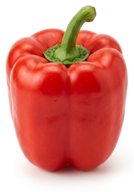 Red bell pepper
Use the same weight, deseed and chop; it gives colour with little heat. Add green chilli separately if you want pungency.
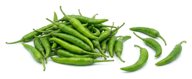 Fresh green chilli
Use the same weight; heat is similar but the colour will be green rather than red.
 Red chilli paste
Use 70% of the weight and stir in earlier. Adjust salt and heat carefully.


 Tomato purée
Use 40% to 50% of the fresh tomato weight mixed with a splash of water. Imparts a deeper red colour, thicker sauce, and slightly sweeter cooked flavour.
 Plain yogurt
Use 60% of the weight, whisked smooth and added on low heat. Provides rich body and sourness, though the gravy becomes paler and creamier.

- Tomato
Use 200% to 250% of the weight. Finely grate or blend fresh tomatoes, then cook them down until the moisture evaporates and the oil separates.


- Cumin seed
Dry-roast briefly and grind finely; use equal weight (1:1). Imparts an even punchier, nuttier, toasty aroma than pre-ground cumin.
- Ground coriander
Use equal weight (1:1). Adds mild, lemony sweetness rather than cumin's smoky, earthy bite; curries will taste lighter and less savoury.
- Black cumin seeds
Grind finely; use 60% to 75% of the weight. Produces a darker, more complex, smoky-herbal flavour suited to rich gravies.


 Vegetable stock
Use the same weight. Lighter and less gelatinous; add a pinch of turmeric or extra bay leaf for colour and savouriness.
 Stock
Use the same weight; check whether it is meat or vegetable. Adjust salt as brands vary.
 Water
Use the same weight and add a bay leaf and a few black peppercorns. Much thinner; reduce salt and expect less body.


- Ground cumin
Use 50% of the weight mixed with equal parts ground coriander and a pinch of ground cinnamon, ground cloves, and ground green cardamom. Sprinkle near the end for a warming finish.
 Lentil stew spice mix
Use 75% of the weight. Simmer briefly in the gravy; imparts roasted warmth and complexity, though it adds a slight tang and earthy lentil undertone.


 Coriander leaf
Use equal weight, chopped fresh and stirred in off the heat or used as garnish. Matches the citrus-herbal profile identically.
 Mint
Use 40% to 50% of the weight; chop finely and add at the very end. Adds fresh herbal brightness, but shifts the aroma toward cool menthol.


 Lime
Use the same weight or juice amount; sharper, so taste before adding all the juice.
 Lemon juice
Use about 45–50 ml for 1 lemon; add off the heat to keep the freshness.
 Dried mango powder
Use 1 tsp for the juice of 1 lemon; add early. Sourness is flatter and less fresh.


Similar dishes

- Same: Chicken Pakora also uses chicken seasoned with ginger, garlic, green chillies, chilli powder, coriander seeds, and garam masala.
- Different: Chicken Pakora is battered in chickpea flour and deep-fried in vegetable oil with chaat masala and lemon juice, whereas this dish is pan-fried in ghee with black peppercorns and black cumin.
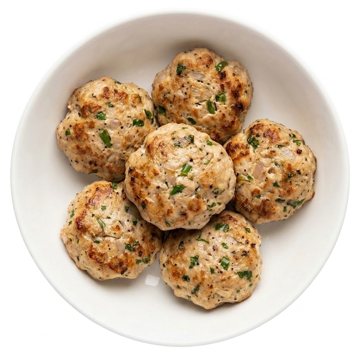
- Same: Both dishes feature chicken seasoned with ginger, garlic, green chillies, black peppercorns, and garam masala.
- Different: Instead of loose chicken pieces pan-fried in ghee with cumin, coriander seeds, and chilli powder, Murg Manpasand forms the meat into patties that are steamed and seared in vegetable oil with fresh coriander leaves.
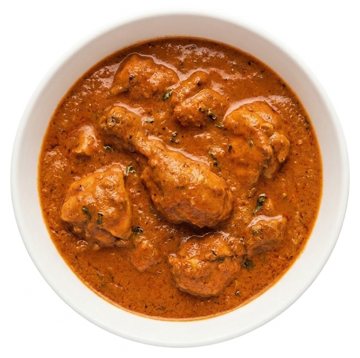
- Same: Butter Chicken and this dish both cook chicken in a tomato masala with ginger, garlic, chilli powder, cumin, coriander and garam masala.
- Different: Butter Chicken has a yogurt-and-lime marinade and a butter-and-cream finish, while this dish uses ghee, lemon, onion, black peppercorn and black cumin and is pan-fried.

- Same: Kali Mirch ka Murg shares chicken, ginger paste, garlic paste, black pepper, and lemon with this dish.
- Different: Kali Mirch ka Murg uses vegetable oil instead of ghee and lacks tomato, tomato purée, cumin, coriander seeds, dried fenugreek, fresh chillies, stock, and garam masala, giving it a thick pepper sauce rather than a pan-fried onion-tomato coating.