Indian cooking
Indian cooking / Dishes / Kaleji Masala
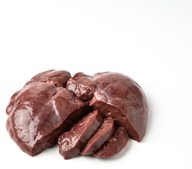
Kaleji Masala (Spicy Liver)

Kaleji Masala

Spicy Liver
Non-vegetarian●●●Origin PunjabPrep 45 minutes, plus marinating timeCook 20 minutes

Tender pieces of liver are lightly poached, marinated in a tart chilli-vinegar paste, and fried down with onions and tomatoes into a dry, robustly spiced masala.

Poaching aromatics

23 gAdded to the poaching water with the liver (step 1)
Leave ready to drop directly into the cooking liquid.

Marinade spices

2.5 gCombined with the marinade base (step 2)
01
0.4–0.5 g8–10 peppercorns
spice
02
2.1 g1 teaspoon
spice
Leave ready to mix with the wet marinade ingredients.

Everything else

01
Liver · Kalejirinsed and cut into slices
500 g
meat
02
100 g
oil/fat
03
Onion · Pyazthinly sliced
175 g
vegetable
04
Tomato · Tamatarfinely chopped
240 g2 tomatoes
vegetable
05
to taste
salt
06
Green chilli · Hari Mirchde-seeded and chopped
24–30 g4–5 chillies
vegetable
07
127 g125 ml
souring agent
08
2.1 g½ teaspoon
sweetener

Method

  1. Place 500 g liver into a large pan submerged in water, then add the poaching aromatics (10.4 g garlic paste, 10.4 g ginger paste, and 2.6 g cinnamon stick). Bring to a boil and cook for 10 minutes. Lift out the liver, rinse it clean, and spread out in a shallow dish, keeping the residual poaching broth for later.
  2. Mix the marinade spices (0.4–0.5 g black peppercorn and 2.1 g cumin seed) with 24–30 g green chilli, 127 g white malt vinegar, 2.1 g granulated sugar, and a pinch of salt to form a paste. Rub this over the cooked liver slices, cover, and leave in the fridge for 30 minutes.
  3. Warm 100 g ghee in a heavy-bottomed pan over medium heat. Tip in 175 g onion and fry for 5 to 7 minutes until deep golden brown.
  4. Season lightly with salt to taste, then tip in the liver alongside its marinade and the reserved poaching broth. Bring everything to a rolling boil, stir in 240 g tomato, and cook for roughly 10 minutes until the sauce reduces completely and coats the liver.

Don't have something?

Liver
  • Chicken

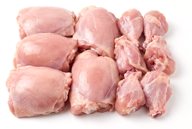
    Use equal weight of trimmed chicken livers; pan-fry gently for 4-6 minutes; flavour is substantially milder and sweeter.

  • Lamb

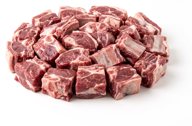
    Use equal weight of lamb kidney cut into small bite-sized pieces; gives a similarly distinct iron-rich flavour with slightly firmer bite.

Garlic paste
  • Garlic

    Use equal weight; crush or finely grate to a smooth pulp to replicate the same fresh, pungent moisture in your base gravy.

  • Garlic powder

    Use 20 to 25% of the weight; mix with a teaspoon of water before adding to oil so it does not burn, noting it lacks the fresh bite.

Ginger paste
  • Fresh ginger

    Use equal weight; peel and grate very finely on a microplane or pound to a fine paste in a mortar.

  • Ginger

    Use equal weight; mince finely and crush with the flat of a knife before frying.

  • Ground ginger

    Use 20% of the weight; add directly with the dry spice powders, though it yields an earthier, less pungent profile.

Cassia bark
  • Ceylon cinnamon

    True cinnamon: thinner, papery quills, milder and sweeter. Use about 1.5 times the weight, and taste.

  • Ground cinnamon (cassia)

    Use about a third of the weight (0.5 g ground for a 2.5 cm piece), stirred in with the ground spices rather than fried whole, since the powder burns quickly.

  • Cassia buds

    Use 60-70% of the weight; stronger and more peppery, so taste before adding more.

Ghee
  • Unsalted butter

    Use 120% of the weight; melt gently over low heat to avoid burning the milk solids, which will yield a softer, creamier richness rather than a nutty aroma.

  • Vegetable oil

    Use 85% of the weight; holds high cooking temperatures without smoking, but the final dish will lack traditional dairy depth.

  • Mustard oil

    Use equal weight; heat to smoking point and cool slightly before cooking, bearing in mind it introduces an assertive, pungent edge.

Onion
  • Shallot

    Use equal weight, finely sliced. Shallots soften and brown faster, giving a slightly sweeter and more delicate base to curries.

  • Cabbage

    Use 80% of the weight, finely shredded and browned slowly with a pinch of asafoetida. Replicates the bulk and natural sweetness in gravies without allium.

Tomato
  • Tomato purée

    Use 40% to 50% of the fresh tomato weight mixed with a splash of water. Imparts a deeper red colour, thicker sauce, and slightly sweeter cooked flavour.


  • Plain yogurt

    Use 60% of the weight, whisked smooth and added on low heat. Provides rich body and sourness, though the gravy becomes paler and creamier.

Green chilli
  • Chilli powder

    Use 10 to 15% of the weight (about 1/4 teaspoon per chilli); imparts dry pungent heat and reddens the dish without the grassy crunch.

  • Dried red chilli

    Use 1 dried pod per fresh green chilli; snap in half and temper in hot oil for a deeper, toastier heat.

Black peppercorn
  • Coarsely ground black pepper

    Use 75% of the weight. Add midway through simmering; spreads heat evenly through the dish instead of delivering isolated bursts.

  • Ground black pepper

    Use 50% of the weight. Stir in near the end of cooking; significantly darkens light gravies and provides an immediate, sharp bite.

Cumin seed
  • Ground cumin

    Use 70% of the weight; add with ground spices or sauce bases rather than hot oil tempering, where it scorches quickly and turns bitter.

  • Black cumin seeds

    Use equal weight for oil tempering. Delivers an earthy profile with an additional musky, smoky, and slightly bitter edge.

  • Fennel seed

    Use 60% of the weight for tempering; offers comparable warm aroma, but leans sweet and liquorice-like rather than savoury and earthy.

White malt vinegar
  • White vinegar

    Use 90% of the weight. It is sharper and lacks the mild malty grain undertone, so temper with a tiny pinch of sugar if needed.

  • Lemon juice

    Use 100% of the weight. Best for marinades or quick chutneys; imparts fresh citrus flavour instead of fermented acidity.

Granulated sugar
  • Jaggery

    Use equal weight; grate or shave finely so it dissolves rapidly, giving a warm, caramel-like sweetness and slightly darker sauce.

Similar dishes

Mutton Kolhapuri
Hot Lamb Curry with Local Spices
Mutton Kolhapuri tastes rich, nutty, and warmly spiced, lacking the sharp, tangy vinegar heat of this dish.
  • Same: Mutton Kolhapuri shares red meat, an onion-and-tomato base, ginger, garlic, cumin, and cinnamon with this dish.
  • Different: Instead of quick-cooking liver dry in ghee with white malt vinegar, it simmers lamb in vegetable oil with a wet gravy made from toasted coconut, poppy seeds, cloves, coriander, and turmeric.
Qorma Asafjahi
The Sovereign’s Favourite
Qorma Asafjahi tastes richer, creamier and more aromatic-sweet from yogurt, saffron and raisins, with less vinegar sourness than this dish’s tart, dry chilli-liver masala.
  • Same: Qorma Asafjahi shares ghee, garlic-ginger paste, onion, green chilli, black peppercorn, sugar, and salt with this dish.
  • Different: It is a slow-cooked lamb and yogurt curry with saffron milk, almonds, raisins, chilli powder, garam masala and coriander leaf, while this dish is a dry liver fry with tomato, cumin and malt vinegar.
Tatti Gosht
'Bamboo Curtain' Kebab
Tatti Gosht is smoky, sharply fiery, and citrusy, lacking the warm, tangy-sweet tomato richness of this dish.
  • Same: Like this dish, Tatti Gosht marinates meat with a pungent paste of green chillies, garlic, ginger, black pepper, and onions.
  • Different: Instead of frying liver in ghee with tomatoes, cumin, cinnamon, and malt vinegar, Tatti Gosht grills thin meat fillets using vegetable oil and lemon juice.
Gol Maas Kaachar
Lamb with Kachri
Gol Maas Kaachar tastes like a yogurt- and mustard-oil lamb curry with fruity kachri tartness, whereas this dish is drier and hotter with vinegar and chilli.
  • Same: Gol Maas Kaachar shares onion, tomato, ginger-garlic, cinnamon and salt with this dish, and both build a spice-forward masala around a souring element.
  • Different: Gol Maas Kaachar uses lamb leg, mustard oil, yogurt, whole cardamom, clove and bay leaf plus kachri melon, while this dish uses liver, ghee, cumin, black peppercorn, green chilli and malt vinegar and is cooked dry.