
Mangalorean Kori Ghassi
A thick, red Mangalorean chicken curry made with a toasted coconut and dried-chilli paste, tart tamarind and a late cinnamon note. It is hot, aromatic and sour-savoury, with a rich coconut body.
Marinade spices
1.5 gStirred into the garlic paste with salt for the chicken marinade (step 2)Spice paste spices
27 gFried with the sliced onion for the spice paste (steps 7–8)Finishing spices
0.7 gStirred into the curry at the end (step 18)Everything else

Method
- Blend 18 g garlic with a splash of water to a paste.
- Scrape the garlic paste into a bowl and stir in the marinade spices (1.5 g ground turmeric) and salt to taste.
- Add 750 g chicken and mix to coat; set aside to marinate.
- Toast 18 g coconut in a dry frying pan over medium heat for 6–7 minutes, stirring occasionally, until pale brown.
- Tip the coconut into a bowl and pour 13.5 g vegetable oil into the pan.
- Fry 70 g thinly sliced onion over low heat for 8–10 minutes, stirring, until it begins to brown.
- Add the spice paste spices (12 g dried kashmiri chilli, 1.4 g black peppercorn, 10.2 g coriander seeds, 2.1 g cumin seed, 0.9 g fenugreek seed).
- Fry the spices for 7–8 minutes, stirring a couple of times, until aromatic.
- Remove the pan from the heat and leave the spice mix to cool.
- Transfer the cooled spice mix to a food processor with 156 g coconut cream and the toasted coconut.
- Blend to a smooth, thick, vivid red paste; do not add extra water.
- Heat 40.5 g vegetable oil in a large heavy-based saucepan over medium heat.
- Add 3 g curry leaf and 70 g finely chopped onion and fry for 7–8 minutes, stirring often, until the onion starts to colour.
- Add the marinated chicken and fry for 6–7 minutes to brown the pieces.
- Add the spice paste and stir to coat the chicken; fry for 3 minutes.
- Pour in 298 g water and season with salt to taste.
- Bring to the boil, then cover and simmer gently over low heat for 30 minutes, stirring halfway through.
- Stir in the finishing spices (0.7 g ground cinnamon) and 18 g tamarind paste.
- Simmer for 3–4 minutes.
- Garnish with chopped coriander leaf to taste.
Don't have something?

 Garlic paste
Use equal weight. Fry gently in oil or ghee with the ginger; incorporates smoothly into curries without visible minced bits.
 Garlic powder
Use 15% to 20% of the weight (about 1 g for every 5 to 6 g fresh cloves). Whisk into sauces; gives a savoury, toasted garlic flavour without raw pungency.
 Shallot
Use 1.5 times the weight, very finely minced. Sauté until golden; provides savoury allium sweetness, though it lacks garlic's pungent sulphur bite.


 Ground ginger
Use 50% of the weight. Mimics turmeric's warm, earthy, rhizome background, but provides none of the golden-yellow colour.
 Saffron
Steep a tiny pinch (0.1 g per 2 g turmeric) in 2 tbsp warm water; use to match the rich golden hue. Contributes an aristocratic, honeyed floral flavour rather than earthy bitterness.


 Skinless bone-in chicken thigh and drumstick
Use the same weight; these pieces give a similar lean, bone-in curry.
 Chicken on the bone
Use the same weight but remove the skin; skin-on pieces make the gravy richer.
 Skinless boneless chicken
Use about 90% of the weight and shorten the simmer by 10–15 minutes.


 Peanut oil
Use 1:1 by weight. Handles high-heat frying identically and introduces a very subtle, pleasant nuttiness.
 Ghee
Use 1:1 by weight. Yields a much richer, authentic aroma and a glossy, heavier mouthfeel.
 Mustard oil
Use 1:1 by weight. Heat until smoking, then cool slightly before cooking to temper its intensely pungent, sharp mustard kick.


 Bay leaf
Fry 1 bay leaf for every 5 curry leaves in hot oil; imparts a warm, woodsy background note, but misses the citrus-sulphury punch entirely.
 Lime juice
Add a small squeeze (about 5 ml per sprig of curry leaves) right before serving; provides sharp citrus top notes without the toasty, herbal aroma.




 Stock
Use the same weight in savoury dishes; it adds body, so adjust salt.
 Milk
Use the same weight only in doughs or creamy dishes; it makes the result richer.
 Coconut water
Use the same weight in curries or rice; it adds sweetness and a faint coconut taste.



- Ground Ceylon cinnamon
Milder and sweeter than ground cassia: use about 1.5 times the weight.
 Cassia bark (Chinese cinnamon)
Grind the same weight of cassia bark in a spice mill until powdery, or simmer a piece whole and lift it out before serving.
 Ground mace
Use 40 to 50% of the weight; offers a delicate, sweet, woodsy fragrance that complements rich curries without dominating.


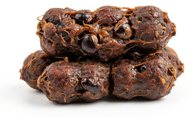 Tamarind pulp
Use 120–150% of the weight and strain; pulp is less concentrated, so simmer a little longer to thicken.
 Tamarind extract
Use 150–200% of the weight and reduce gently; extract is already diluted.
- Lime juice
Use 60–70% of the weight with a pinch of jaggery; sharper, so add near the end off the heat.


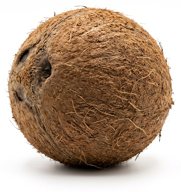
 Fresh coconut
Use equal weight freshly grated or diced. Delivers the identical sweet, milky taste and juicy texture.
 Desiccated coconut
Use 60% of the weight and soak in hot water or milk for 15 minutes before using. The finished dish will be slightly sweeter and less fibrous.
 Dried coconut
Finely grate and use 50% of the weight, soaked in hot water for 20 minutes. Yields a firmer chew and a denser, oilier coconut aroma.



 Kashmiri chilli powder
Use 1 g powder for every 1.5 g whole dried chilli; whisk with a spoonful of warm water and stir into the masala to provide identical ruby colour and mild heat.
 Dried red chilli
Use 35% to 40% of the weight; discard seeds before tearing into oil to temper. Delivers a much fiercer heat, with significantly less red colouring.


 Coarsely ground black pepper
Use 75% of the weight. Add midway through simmering; spreads heat evenly through the dish instead of delivering isolated bursts.
 Ground black pepper
Use 50% of the weight. Stir in near the end of cooking; significantly darkens light gravies and provides an immediate, sharp bite.


 Ground coriander
Use 75% of the weight; stir in along with wet masala or tomato purée rather than frying in hot oil, as the fine powder burns instantly.
 Cumin seed
Use 50% of the weight for tempering in hot oil. Lacks the floral, sweet citrus flavour of coriander, introducing warm, pungent earthiness instead.
 Fennel seed
Use 50% of the weight in tempering; provides pleasant aromatic sweetness, though noticeably aniseedy rather than citrusy.


 Ground cumin
Use 70% of the weight; add with ground spices or sauce bases rather than hot oil tempering, where it scorches quickly and turns bitter.
 Black cumin seeds
Use equal weight for oil tempering. Delivers an earthy profile with an additional musky, smoky, and slightly bitter edge.
- Fennel seed
Use 60% of the weight for tempering; offers comparable warm aroma, but leans sweet and liquorice-like rather than savoury and earthy.


 Mustard seed
Use 50% of the weight, crush or grind. Sharper heat and less maple-bitter; fry briefly in oil before adding.
 Caraway seeds
Use the same weight, crush lightly. Similar bitter-seed note but more aniseed; reduce other sweet spices slightly.
 Ajwain seeds
Use 25–30% of the weight, crush. Much stronger thyme-like flavour; do not overdo.


 Coconut milk
Use 1.25 times the weight and simmer to reduce back to the original weight; it is thinner and less rich.
 Coconut, fresh or desiccated
For 100 g cream, blend 60 g fresh coconut or 40 g desiccated coconut with 60 g hot water, then strain; use the thick top layer.
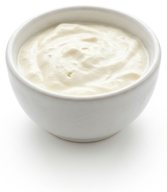 Cream
Use the same weight for a dairy version; it lacks coconut flavour but gives similar richness.


Similar dishes

- Same: Goan Caril de Galinha shares bone-in chicken, onion, garlic, dried Kashmiri chilli, turmeric, black peppercorn, tamarind, coconut and vegetable oil with this dish.
- Different: Goan Caril de Galinha adds ginger and uses coconut milk instead of this dish's coconut cream, has more onion, water and tamarind, and lacks this dish's curry leaves, cinnamon, coriander seeds, cumin and fenugreek; it builds a fresh coconut, garlic, ginger and chilli paste and finishes with tamarind and coconut milk, while this dish uses a toasted coconut and dried-chilli paste with cinnamon added late.

- Same: Kondapur Koli Thalna shares chicken, garlic, onion, turmeric, dried red chilli, coriander seeds, black peppercorn, fenugreek, coconut and coconut cream with this dish, and both use roasted spices and dried chillies for heat.
- Different: Kondapur Koli Thalna uses ghee and lemon juice, shallow-fries flattened chicken legs, and adds coconut milk, while this dish uses vegetable oil and tamarind and simmers bone-in chicken with curry leaves and cinnamon.
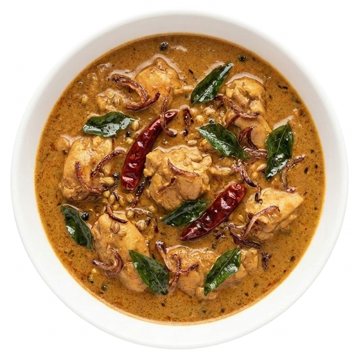
- Same: Kori Gassi shares chicken, onion, garlic, curry leaves, turmeric, dried red chilli, coriander seeds, cumin, fenugreek, black peppercorn and coconut with this dish.
- Different: Kori Gassi uses coconut milk, 450 g onion and 114 g vegetable oil with no tamarind or cinnamon, while this dish uses toasted coconut, dried Kashmiri chilli paste, coconut cream, tamarind and ground cinnamon.

- Same: Caril de Galinha shares chicken, onion, garlic, turmeric, dried Kashmiri chilli, cumin, coriander seeds, tamarind and coconut with this dish, and both use vegetable oil and salt.
- Different: Caril de Galinha uses fresh coconut, coconut milk, uncooked rice, ginger, green chilli and poppy seeds, while this dish uses toasted coconut, curry leaves, fenugreek, black peppercorn and cinnamon; it grinds coconut with rice and spices and adds coconut milk, whereas this dish builds a toasted coconut and dried-chilli paste.