Indian cooking
Indian cooking / Dishes / Kondapur Koli Thalna
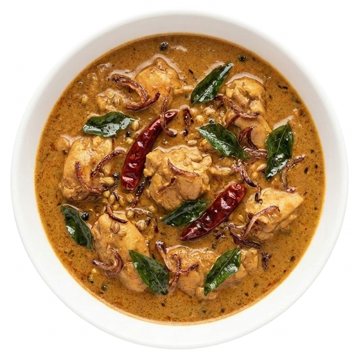
Kondapur Koli Thalna (Chicken Legs in Chilli Sauce)

Kondapur Koli Thalna

Chicken Legs in Chilli Sauce
Non-vegetarian●●●Origin CoastalPrep 1 hour, plus marinating timeCook 35 minutes

Flattened chicken legs are shallow-fried until crisp and served over a rich, aromatic sauce made from freshly roasted spices and coconut. The dish is intensely savoury with a fragrant, fiery heat mellowed by creamy coconut milk.

Coondapur masala

201 gGround with garlic and split between the marinade and the sauce (steps 2, 3, and 5)
Toast the whole spices separately, grind coarsely with the garlic, and mix with the turmeric.

Everything else

01
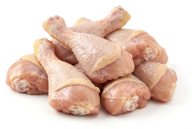
800 g4 legs
poultry
02
31 g2 tablespoons
souring agent
03
Gheefor shallow-frying
to taste
oil/fat
04
to taste
salt
05
36 g12 cloves
aromatic
06
46 g3½ tablespoons
oil/fat
07
Garlic · Lehsunchopped (unpeeled)
18 g6 cloves
aromatic
08
160 g
vegetable
09
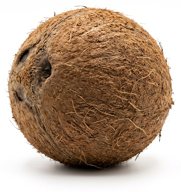
200 g½ coconut
fruit
12
to taste
salt

Method

  1. Halve 4 chicken legs lengthwise and carefully remove the bones while keeping the ankle joint intact. Lay the meat between dry towels and pound flat with a rolling pin or meat mallet.
  2. Set a dry skillet over very low heat. Toast the dried red chilli and coriander seeds from the Coondapur masala for 3 to 4 minutes, then transfer to a plate. In the same pan, toast the black peppercorns for about 1 minute until puffed, then the fenugreek seeds for roughly 30 seconds until their colour deepens. Tip the toasted spices into a grinder alongside 36 g chopped garlic and pulse to a coarse texture, then decant into a bowl and stir in the ground turmeric.
  3. Mix 1 tablespoon of the Coondapur masala with 30.6 g lemon juice and a pinch of salt. Coat the chicken pieces thoroughly with the mixture, cover, and rest in the refrigerator for 30 minutes.
  4. Melt 46.2 g ghee in a heavy saucepan over medium heat. Sauté 18 g chopped unpeeled garlic for 30 seconds until lightly browned, then add 160 g chopped onion and cook for 2 minutes until glossy and translucent.
  5. Stir 2 tablespoons of the Coondapur masala into the onions, followed by 200 g coconut paste and 380 g coconut milk. Bring the liquid to a boil, then cover, turn the heat to low, and simmer gently, stirring from time to time, until the liquid reduces by half.
  6. Take the pan off the heat and stir in 4 tablespoons coconut cream and salt to taste. Return to gentle heat and bring just below a boil—do not let it bubble or the coconut milk may separate—then simmer on low until thickened to a medium consistency. Adjust seasoning and remove from the heat.
  7. Warm a thin layer of ghee for shallow-frying in a frying pan over very low heat. Fry the chicken legs two at a time, covering the pan and flipping regularly, for 10 to 15 minutes until fully cooked through. Drain on paper towels and serve arranged over the warm coconut sauce.

Don't have something?

Chicken leg
  • Chicken drumstick

    Use the same weight; smaller, so reduce cooking time by 5–10 minutes and check at the bone.

  • Chicken thigh

    Use the same weight; boneless thigh cooks faster by 5–10 minutes. Juicier and less bony.

  • Chicken pieces

    Use the same weight; bone-in pieces give similar richness. Adjust time by size.

Lemon juice
  • Lime juice

    Use equal volume or weight; delivers almost identical sharp acidity with a faintly more aromatic, bitter-edged profile.

  • Dried mango powder

    Use 25% of the weight (about 1 g amchoor for 4 g juice); provides clean fruity tartness without thinning the sauce.

  • White vinegar

    Use 75% of the volume; gives direct sourness without any citrus floral fragrance.

Ghee
  • Unsalted butter

    Use 120% of the weight; melt gently over low heat to avoid burning the milk solids, which will yield a softer, creamier richness rather than a nutty aroma.

  • Vegetable oil

    Use 85% of the weight; holds high cooking temperatures without smoking, but the final dish will lack traditional dairy depth.

  • Mustard oil

    Use equal weight; heat to smoking point and cool slightly before cooking, bearing in mind it introduces an assertive, pungent edge.

Dried red chilli
  • Dried kashmiri chilli

    Use equal weight whole. Fry in hot oil or ghee as tempered spice; gives a richer red colour with slightly milder heat.

  • Red chilli powder

    Use 50% to 70% of the weight. Stir into the oil with ground spices; distributes heat evenly throughout the dish without whole chilli skins.

Coriander seeds
  • Ground coriander

    Use 75% of the weight; stir in along with wet masala or tomato purée rather than frying in hot oil, as the fine powder burns instantly.

  • Cumin seed

    Use 50% of the weight for tempering in hot oil. Lacks the floral, sweet citrus flavour of coriander, introducing warm, pungent earthiness instead.

  • Fennel seed

    Use 50% of the weight in tempering; provides pleasant aromatic sweetness, though noticeably aniseedy rather than citrusy.

Black peppercorn
  • Coarsely ground black pepper

    Use 75% of the weight. Add midway through simmering; spreads heat evenly through the dish instead of delivering isolated bursts.

  • Ground black pepper

    Use 50% of the weight. Stir in near the end of cooking; significantly darkens light gravies and provides an immediate, sharp bite.

Fenugreek seed
  • Mustard seed

    Use 50% of the weight, crush or grind. Sharper heat and less maple-bitter; fry briefly in oil before adding.

  • Caraway seeds

    Use the same weight, crush lightly. Similar bitter-seed note but more aniseed; reduce other sweet spices slightly.

  • Ajwain seeds

    Use 25–30% of the weight, crush. Much stronger thyme-like flavour; do not overdo.

Garlic
  • Garlic paste

    Use equal weight. Fry gently in oil or ghee with the ginger; incorporates smoothly into curries without visible minced bits.

  • Garlic powder

    Use 15% to 20% of the weight (about 1 g for every 5 to 6 g fresh cloves). Whisk into sauces; gives a savoury, toasted garlic flavour without raw pungency.

  • Shallot

    Use 1.5 times the weight, very finely minced. Sauté until golden; provides savoury allium sweetness, though it lacks garlic's pungent sulphur bite.

Ground turmeric
  • Ground ginger

    Use 50% of the weight. Mimics turmeric's warm, earthy, rhizome background, but provides none of the golden-yellow colour.

  • Saffron

    Steep a tiny pinch (0.1 g per 2 g turmeric) in 2 tbsp warm water; use to match the rich golden hue. Contributes an aristocratic, honeyed floral flavour rather than earthy bitterness.

Onion
  • Shallot

    Use equal weight, finely sliced. Shallots soften and brown faster, giving a slightly sweeter and more delicate base to curries.

  • Cabbage

    Use 80% of the weight, finely shredded and browned slowly with a pinch of asafoetida. Replicates the bulk and natural sweetness in gravies without allium.

Coconut
  • Fresh coconut

    Use equal weight freshly grated or diced. Delivers the identical sweet, milky taste and juicy texture.

  • Desiccated coconut

    Use 60% of the weight and soak in hot water or milk for 15 minutes before using. The finished dish will be slightly sweeter and less fibrous.

  • Dried coconut

    Finely grate and use 50% of the weight, soaked in hot water for 20 minutes. Yields a firmer chew and a denser, oilier coconut aroma.

Coconut milk
  • Single cream

    Use equal weight; simmer gently over low heat to prevent curdling. Imparts a comparable rich texture, though it adds dairy richness without any coconut fragrance.


  • Cashew paste

    Whisk 1 part cashew paste with 2 parts water to match the consistency, then use equal weight. Provides a thick, velvety body without coconut flavour.

  • Whole milk

    Use equal weight, but reduce other cooking liquids by 20% to compensate for the lower viscosity. The curry will be lighter and lack sweetness.

Coconut cream
  • Coconut milk

    Use 1.25 times the weight and simmer to reduce back to the original weight; it is thinner and less rich.

  • Coconut, fresh or desiccated

    For 100 g cream, blend 60 g fresh coconut or 40 g desiccated coconut with 60 g hot water, then strain; use the thick top layer.

  • Cream

    Use the same weight for a dairy version; it lacks coconut flavour but gives similar richness.

Similar dishes

Kori Gassi
Chicken with Curry Leaves
Kori Gassi is much milder and less acidic, lacking the sharp lemon juice and the intense chilli heat of this dish.
  • Same: Kori Gassi also combines chicken with a coconut milk gravy spiced with dried red chillies, coriander, fenugreek, black pepper, garlic, and turmeric.
  • Different: Unlike this dish, Kori Gassi simmers the chicken in vegetable oil instead of shallow-frying legs in ghee, adds cumin, and omits the lemon juice and grated coconut flesh.
Mangalorean Kori Ghassi
Spiced Chicken Curry with Curry Leaves, Garlic, Chilli and Tamarind
Mangalorean Kori Ghassi is hot, aromatic and sour-savoury from tamarind with a late cinnamon note, while this dish is intensely savoury with fiery heat mellowed by coconut milk and lemon juice sourness.
  • Same: Mangalorean Kori Ghassi shares chicken, dried chilli, coconut, coriander seeds, fenugreek, black peppercorn, garlic, turmeric and onion with this dish, and both build a coconut-rich chilli-spice base.
  • Different: Mangalorean Kori Ghassi uses tamarind paste, curry leaves, cinnamon, cumin, water and vegetable oil, with coconut cream, while this dish uses lemon juice, ghee, coconut milk and more dried red chilli and shallow-fries flattened chicken legs separately.
Goan Caril de Galinha
Chicken Curry with Garlic, Chilli, Tamarind and Coconut Milk
Goan Caril de Galinha tastes creamy and tangy from tamarind and coconut milk with warm Kashmiri-chilli heat, so it is less fiery and more sour than this dish's savoury, intensely hot chilli-coconut sauce.
  • Same: Goan Caril de Galinha shares with this dish chicken, onion, garlic, turmeric, black pepper, dried chilli, coconut and coconut milk.
  • Different: Goan Caril de Galinha uses vegetable oil, skinless bone-in thigh and drumstick, tamarind paste, ginger, coriander leaf and dried Kashmiri chilli, and simmers a coconut-garlic-chilli paste with water and coconut milk; it lacks this dish's ghee, lemon juice, fenugreek, coriander seeds, coconut cream and shallow-fried flattened chicken legs.
Caril de Galinha
Goan Chicken Curry
It is milder and tangier from the tamarind, whereas this dish is far more pungent and fiery from its massive quantities of dried red chillies and black pepper.
  • Same: Like this dish, Caril de Galinha pairs chicken with grated coconut, coconut milk, onions, garlic, turmeric, and coriander.
  • Different: Instead of shallow-frying chicken in ghee with lemon juice, fenugreek, and black peppercorns, Caril de Galinha simmers the meat in vegetable oil with tamarind, ginger, cumin, poppy seeds, and green chillies.