
Caril de Galinha
A fragrant Goan chicken curry enriched with freshly ground coconut, warming spices, and smooth coconut milk, balanced by the gentle tang of tamarind.
Spices for the paste
37 gBlended into the coconut spice paste (step 2)Everything else

Method
- Place 1200 g chicken into a wide dish and lightly season with salt.
- Grind 200 g grated coconut with 1 tablespoon rice and a splash of water in a blender to form a coarse paste, then transfer to a bowl. Add the remaining 200 g grated coconut, 24 g garlic, 12 g ginger, 24 g green chilli, and the spices for the paste to the blender, process until thoroughly ground, and combine with the first paste.
- Warm 27 g vegetable oil in a heavy-based pan set over medium heat. Add 100 g onion and sauté for 4 minutes until pale golden.
- Tip in the spice paste and fry continuously for 1 to 2 minutes until the oil starts to separate.
- Add the chicken pieces and turn to coat in the paste. Pour in 254 g coconut milk, season with salt, and drop the heat to low. Cover and simmer for 20 minutes until the meat is nearly tender.
- Mix in 15.6 g tamarind extract along with 125 g coconut cream. Simmer gently for a final 5 to 10 minutes until the chicken is fully cooked.
Don't have something?

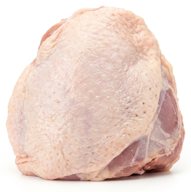 Turkey thigh
Use 100% of the weight, cut into equivalent bone-in or boneless pieces. Simmer for an extra 5 to 10 minutes; flavour and texture are very similar.
 Lamb
Use 100% of the weight. Cut into bite-sized pieces and extend simmering time by 35 to 50 minutes, adding extra liquid to allow the meat to tenderise.


 Peanut oil
Use 1:1 by weight. Handles high-heat frying identically and introduces a very subtle, pleasant nuttiness.
 Ghee
Use 1:1 by weight. Yields a much richer, authentic aroma and a glossy, heavier mouthfeel.
 Mustard oil
Use 1:1 by weight. Heat until smoking, then cool slightly before cooking to temper its intensely pungent, sharp mustard kick.






 Single cream
Use equal weight; simmer gently over low heat to prevent curdling. Imparts a comparable rich texture, though it adds dairy richness without any coconut fragrance.
 Cashew paste
Whisk 1 part cashew paste with 2 parts water to match the consistency, then use equal weight. Provides a thick, velvety body without coconut flavour.
 Whole milk
Use equal weight, but reduce other cooking liquids by 20% to compensate for the lower viscosity. The curry will be lighter and lack sweetness.


 Tamarind
Use 180% of the weight of compressed tamarind; soak in three times its weight of boiling water for 15 minutes, knead, and strain out the thick pulp.
 Dried mango powder
Use 35% of the weight dissolved in two tablespoons of warm water. Provides sharp tang, though the resulting sauce will be lighter in colour.
 Lemon juice
Use equal weight, added right at the end of cooking. Adds sharp acidity without the deep brown hue or pulpy thickness.


- Coconut milk
Use 1.25 times the weight and simmer to reduce back to the original weight; it is thinner and less rich.
 Coconut, fresh or desiccated
For 100 g cream, blend 60 g fresh coconut or 40 g desiccated coconut with 60 g hot water, then strain; use the thick top layer.
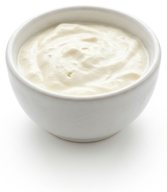 Cream
Use the same weight for a dairy version; it lacks coconut flavour but gives similar richness.

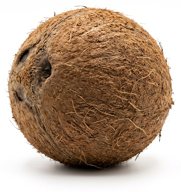
 Fresh coconut
Use equal weight freshly grated or diced. Delivers the identical sweet, milky taste and juicy texture.
 Desiccated coconut
Use 60% of the weight and soak in hot water or milk for 15 minutes before using. The finished dish will be slightly sweeter and less fibrous.
 Dried coconut
Finely grate and use 50% of the weight, soaked in hot water for 20 minutes. Yields a firmer chew and a denser, oilier coconut aroma.


 Basmati rice
Use the same weight; rinse and soak as the recipe says. It cooks lighter and less sticky.
 Long-grain rice
Use the same weight; rinse well. Cooking time is similar but the grains may be less separate.
 Parboiled rice
Use the same weight but allow more water and longer cooking. The grains are firmer and less absorbent.



 Garlic paste
Use equal weight. Fry gently in oil or ghee with the ginger; incorporates smoothly into curries without visible minced bits.
 Garlic powder
Use 15% to 20% of the weight (about 1 g for every 5 to 6 g fresh cloves). Whisk into sauces; gives a savoury, toasted garlic flavour without raw pungency.
 Shallot
Use 1.5 times the weight, very finely minced. Sauté until golden; provides savoury allium sweetness, though it lacks garlic's pungent sulphur bite.


 Fresh ginger
Use equal weight; scrape off the skin and grate or finely julienne according to the recipe.
 Ginger paste
Use equal weight; stir straight into the sizzling aromatics, taking care as the extra moisture may spit.
 Ground ginger
Use 15 to 20% of the weight; add alongside ground spices, noting it imparts warm, dry heat rather than zesty freshness.



 Kashmiri chilli powder
Use 1 g powder for every 1.5 g whole dried chilli; whisk with a spoonful of warm water and stir into the masala to provide identical ruby colour and mild heat.
 Dried red chilli
Use 35% to 40% of the weight; discard seeds before tearing into oil to temper. Delivers a much fiercer heat, with significantly less red colouring.


 Chilli powder
Use 10 to 15% of the weight (about 1/4 teaspoon per chilli); imparts dry pungent heat and reddens the dish without the grassy crunch.
- Dried red chilli
Use 1 dried pod per fresh green chilli; snap in half and temper in hot oil for a deeper, toastier heat.


 Ground cumin
Use 70% of the weight; add with ground spices or sauce bases rather than hot oil tempering, where it scorches quickly and turns bitter.
 Black cumin seeds
Use equal weight for oil tempering. Delivers an earthy profile with an additional musky, smoky, and slightly bitter edge.
 Fennel seed
Use 60% of the weight for tempering; offers comparable warm aroma, but leans sweet and liquorice-like rather than savoury and earthy.


 Ground coriander
Use 75% of the weight; stir in along with wet masala or tomato purée rather than frying in hot oil, as the fine powder burns instantly.
- Cumin seed
Use 50% of the weight for tempering in hot oil. Lacks the floral, sweet citrus flavour of coriander, introducing warm, pungent earthiness instead.
- Fennel seed
Use 50% of the weight in tempering; provides pleasant aromatic sweetness, though noticeably aniseedy rather than citrusy.


 Cashew nut
Use equal weight. Soak in warm water for 20 minutes and grind to a smooth paste; produces an even creamier, slightly richer gravy than poppy seeds.
 White sesame seed
Use equal weight. Soak and grind finely; provides similar thickening and body with a slightly nuttier, faintly bitter edge.
 Almond
Use equal weight. Blanch, peel, and grind finely with a splash of water; lends a velvety body and gentle sweetness to gravies.


- Ground ginger
Use 50% of the weight. Mimics turmeric's warm, earthy, rhizome background, but provides none of the golden-yellow colour.
 Saffron
Steep a tiny pinch (0.1 g per 2 g turmeric) in 2 tbsp warm water; use to match the rich golden hue. Contributes an aristocratic, honeyed floral flavour rather than earthy bitterness.

Similar dishes

- Same: Mangalorean Kori Ghassi shares with this dish chicken, coconut, tamarind, turmeric, onion, garlic, dried Kashmiri chilli, cumin and coriander seeds, and vegetable oil.
- Different: Mangalorean Kori Ghassi uses bone-in chicken, water, curry leaves, cinnamon, black peppercorn, fenugreek and a toasted coconut–dried-chilli paste, while this dish uses fresh coconut ground with poppy seed, ginger, green chilli and rice, plus coconut milk and coconut cream.

- Same: Goan Caril de Galinha shares chicken, onion, garlic, ginger, turmeric, Kashmiri chilli, coconut milk and tamarind with this dish.
- Different: It uses more onion and oil, less coconut, and bone-in chicken with water, black peppercorn and coriander leaf, while this dish adds coconut cream, rice, poppy seed, cumin seed, coriander seed and green chilli.
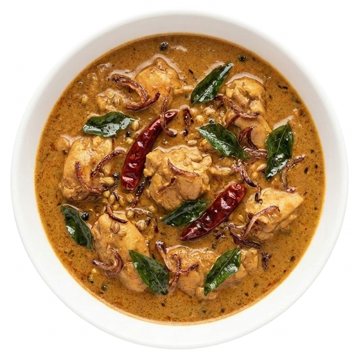
- Same: Both curries simmer chicken in vegetable oil and coconut milk seasoned with turmeric, cumin, coriander seeds, dried chillies, and garlic.
- Different: Kori Gassi uses significantly more oil and onions, adds fenugreek seeds and black peppercorns, but omits the fresh grated coconut, ginger, green chillies, poppy seeds, and tamarind found in this dish.

- Same: Kolhapuri Naralicha Kombdi Rassa shares with this dish a chicken-and-coconut-milk base seasoned with onion, garlic, ginger, Kashmiri chilli, cumin and coriander.
- Different: It uses lemon for sourness and adds cardamom, cinnamon, clove and black pepper, while this dish uses tamarind, fresh coconut, coconut cream, turmeric, poppy seed, rice and green chilli.