
Keralan Beef Chilli Fry
A dry-fried Keralan beef dish with a sharp, spicy marinade and a warm ground-spice finish. The beef cooks down until tender, then gets tossed with coconut, tamarind and fried onions for a sour, aromatic flavour.
Marinade masala
49 gStirred into the beef marinade (step 1)Spice powder masala
14 gGround and mixed into the marinade (step 2)Everything else

Method
- Put the marinade masala in a large bowl with 45 g vinegar, 1.2 g curry leaf, roughly torn, and salt to taste. Stir in 800 g beef, sliced into thin strips.
- Grind the spice powder masala — 1.4 g black peppercorn, 9 g fennel seed, 4 g cassia bark, 0.4 g clove and 0.9 g green cardamom seeds — to a fine powder. Add it to the beef and mix well. Cover and leave for 2–3 hours, or overnight in the fridge.
- Set a heavy-based saucepan over medium heat. Add the beef mixture and cook, uncovered, for 30–35 minutes, until the liquid has evaporated and the meat looks drier. Take off the heat and cover.
- Put a wok or saucepan over medium heat and add 40.5 g vegetable oil. When hot, add 4 g green bird’s eye chilli, slit lengthways. As they begin to crackle, add most of the 3.8 g curry leaf, keeping a few leaves back, then add 150 g red onion, thinly sliced.
- Stir-fry for 7–8 minutes, until the onion softens and starts to colour.
- Add the cooked beef and stir-fry for 2 minutes.
- Add 10.2 g desiccated coconut and 12 g tamarind paste, mix well and fry for 1 minute.
- Scatter over coriander leaves, to taste, and the reserved curry leaves.
Don't have something?


 Kashmiri chilli powder
Use the same weight; this is the first half of the book's option and gives the best red colour with mild heat.
 Mild paprika
Use the same weight; add a pinch of cayenne pepper for warmth. Slightly less colour.
- Paprika
Use the same weight and add cayenne pepper to taste; works but is less aromatic.


 Garlic
Use equal weight; crush or finely grate to a smooth pulp to replicate the same fresh, pungent moisture in your base gravy.
 Garlic powder
Use 20 to 25% of the weight; mix with a teaspoon of water before adding to oil so it does not burn, noting it lacks the fresh bite.


 Fresh ginger
Use equal weight; peel and grate very finely on a microplane or pound to a fine paste in a mortar.
 Ginger
Use equal weight; mince finely and crush with the flat of a knife before frying.
 Ground ginger
Use 20% of the weight; add directly with the dry spice powders, though it yields an earthier, less pungent profile.


 Bay leaf
Fry 1 bay leaf for every 5 curry leaves in hot oil; imparts a warm, woodsy background note, but misses the citrus-sulphury punch entirely.
 Lime juice
Add a small squeeze (about 5 ml per sprig of curry leaves) right before serving; provides sharp citrus top notes without the toasty, herbal aroma.


 White vinegar
Use 100% of the weight directly. It delivers an identical sharp, clean acidity to curries and marinades.
 Lemon juice
Use 100% of the weight. Add towards the end of cooking off the heat; introduces a fruity citrus aroma rather than pungent acetic sharpness.
 Tamarind extract
Use 75% of the weight diluted in a splash of warm water. Gives a rich, fruity sourness and darkens the gravy.


 Paneer
Use the same weight; cut into cubes and add only for the last 10 minutes. It will not take long cooking and gives a mild, milky result.
 Potato
Use the same weight; peel, cube and parboil, then add 20 minutes before the end. Gives a starchy body but no meaty flavour.
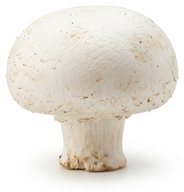 Button mushroom
Use the same weight; halve or quarter and add 10 minutes before the end. Juicy and savoury, but cooking time is much shorter than beef.


 Coriander (cilantro) or basil
Use the same weight, choosing the coriander element if available. If only basil is available, expect a sweeter, more aniseed flavour.
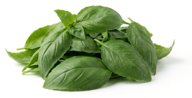 Basil leaves
Use the same weight. Basil is sweeter and more aromatic in a different way; add near the end so it keeps its perfume.
 Coriander paste
Use 1.5 times the weight and reduce other liquid slightly; it is less fresh and more concentrated, so taste before adding more.


 Coarsely ground black pepper
Use 75% of the weight. Add midway through simmering; spreads heat evenly through the dish instead of delivering isolated bursts.
 Ground black pepper
Use 50% of the weight. Stir in near the end of cooking; significantly darkens light gravies and provides an immediate, sharp bite.


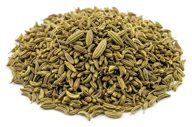 Aniseed
Use 75% of the weight. Fry in hot oil or ghee; has a sharper, more pronounced liquorice flavour, so use a lighter hand.
 Ground fennel seed
Use 60% of the weight. Stir into the sauce with ground masalas; provides identical sweet aniseed flavour without whole seed crunch.
 Star anise
Use one point (single carpel) per 1 g of fennel seeds. Simmer in gravies and remove before serving; gives a deeper, woodier liquorice aroma.


 Ceylon cinnamon
True cinnamon: thinner, papery quills, milder and sweeter. Use about 1.5 times the weight, and taste.
 Ground cinnamon (cassia)
Use about a third of the weight (0.5 g ground for a 2.5 cm piece), stirred in with the ground spices rather than fried whole, since the powder burns quickly.
 Cassia buds
Use 60-70% of the weight; stronger and more peppery, so taste before adding more.


 Ground cloves
Use 1 g ground for 4 g whole (or 1 small pinch per 2 to 3 whole cloves). Add with spice powders; disperses intense warmth quickly, so use with restraint.
 Allspice berries
Use 100% of the weight whole in tempering. Imparts a warm, clove-like aromatic profile combined with hints of nutmeg and cinnamon.
 Black cardamom pod
Use 1 pod for 3 to 4 cloves in whole tempering. Shares a camphor-like warmth and medicinal depth, though it introduces a distinct smoky undertone.


 Green cardamom seed
Use 35 to 40% of the total pod weight; lightly bruise the seeds before frying in oil to release their essential oils.
 Ground green cardamom
Use 20 to 25% of the pod weight (about 1 generous pinch per pod); stir in toward the end of cooking so the delicate floral notes do not dissipate.
 White cardamom pod
Use 1:1 by pod count or weight; crack gently before using, though it is slightly less intensely floral.


 Peanut oil
Use 1:1 by weight. Handles high-heat frying identically and introduces a very subtle, pleasant nuttiness.
 Ghee
Use 1:1 by weight. Yields a much richer, authentic aroma and a glossy, heavier mouthfeel.
 Mustard oil
Use 1:1 by weight. Heat until smoking, then cool slightly before cooking to temper its intensely pungent, sharp mustard kick.


- Bird's eye green chilli
Use the same weight; heat and flavour are very close.
 Green chilli
Use 1.5 to 2 times the weight; deseed for less heat. Larger chillies are more watery.
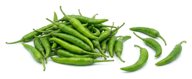 Fresh green chilli
Use 1.5 to 2 times the weight; chop finely and adjust heat by tasting.

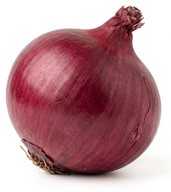
 Onion
Use the same weight; cook a little longer. Milder and less sweet when raw.
 Shallot
Use the same weight; sweeter and softer, so reduce cooking time slightly.
 Spring onion
Use only the white parts, weight for weight, for raw or quick-cooked dishes; green parts are too grassy for long cooking.


 Grated desiccated coconut
Use equal weight directly; it is the identical ingredient under a different label.
 Fresh coconut
Grate finely and use 130% to 140% of the weight to compensate for higher moisture; toast gently in a dry pan over low heat if a dry texture is needed.
 Dried coconut
Grate finely using a microplane and use equal weight. Offers a slightly oilier, toastier coconut profile.


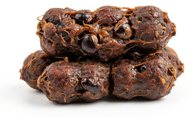 Tamarind pulp
Use 120–150% of the weight and strain; pulp is less concentrated, so simmer a little longer to thicken.
- Tamarind extract
Use 150–200% of the weight and reduce gently; extract is already diluted.
- Lime juice
Use 60–70% of the weight with a pinch of jaggery; sharper, so add near the end off the heat.
Similar dishes

- Same: Yakhni Pulao shares onion, ginger paste, garlic paste, green bird’s eye chilli, cassia bark, green cardamom, clove, fennel seed, coriander leaves and vegetable oil with this dish.
- Different: Yakhni Pulao uses lamb shoulder on the bone and basmati rice cooked in a clear stock with butter, bay leaf, nutmeg and ground cinnamon, while this dish uses beef dry-fried with vinegar, tamarind paste, desiccated coconut and curry leaves.

- Same: Nalli Gosht shares Kashmiri chilli, garlic, ginger, cassia, green cardamom, clove, black peppercorn, green bird’s eye chilli, onion, vegetable oil and coriander leaves with this dish.
- Different: Nalli Gosht uses lamb shanks and a slow-cooked onion, tomato and yoghurt gravy with butter, turmeric, nutmeg, rose water and lemon; this dish uses beef and is dry-fried with vinegar, tamarind, coconut, fennel seed and curry leaves.

- Same: Salli Kheema Pav shares curry leaf, Kashmiri chilli powder, green bird’s eye chilli, vegetable oil, onion, garlic, ginger, coriander, cardamom, cassia, clove and black peppercorn with this dish.
- Different: Salli Kheema Pav uses minced lamb and coconut milk with tomato, turmeric, star anise, mace, dark brown sugar and lemon juice, while this dish uses beef pieces dry-fried with desiccated coconut and tamarind paste, and it is topped with crisp potato straws and eaten with pav.

- Same: Malyali Kozhi Biryani and this dish both use ginger-garlic paste, green bird’s eye chilli, curry leaf and Kashmiri chilli powder.
- Different: Malyali Kozhi Biryani is a layered chicken and basmati rice dish with coconut milk, butter, cashews and raisins, while this dish is a dry-fried beef dish with vinegar, tamarind paste and desiccated coconut.