
Kathi Kebab
Tender skewered lamb marinated in a vibrant purée of onions, aromatic roasted spices, and natural tenderisers. These kebabs are intensely savoury with a mild tang and a smoky, charred crust.
Roasted marinade spices
17 gGround and stirred into the purée (step 2)Everything else

Method
- Submerge 8 dried kachri and 4 figs in a bowl of water and leave to soak for 4 hours.
- Drain the soaked kachri and figs, then place them in a blender alongside 600 g onion, 24–30 g garlic, 12 g ginger, and 1 piece raw papaya. Blend until completely smooth and pour into a wide bowl. Fold in the roasted marinade spices, 60 g plain yogurt, and salt to taste until evenly combined.
- Toss 1000 g lamb into the marinade, turning until every piece is well coated. Cover the bowl and place in the fridge to marinate overnight.
- Set up a charcoal barbecue for medium heat, or preheat an indoor oven broiler to medium. Thread the marinated meat pieces onto metal skewers. Cook over the coals or under the broiler for roughly 10 minutes, turning often to achieve an even brown crust. Baste with 4 tablespoon melted butter or ghee, then continue grilling for about 10 minutes more, turning periodically until cooked through.
- Carefully push the cooked meat off the hot skewers into a skillet lightly coated with vegetable oil. When ready to eat, flash-fry over medium heat until piping hot, then plate up with onion rings and lime wedges.
Don't have something?


 Boneless lamb shoulder
Use same weight; shoulder is well marbled and best for slow curry, with similar cooking time.
 Boneless leg of lamb
Use same weight; leg is leaner, so simmer 10 minutes less to avoid dryness.
 Boneless lamb fillet
Use same weight but simmer 15–20 minutes less; fillet is tender and cooks quickly.


 Ghee
Use the same weight. Gives a richer aroma and nuttier taste; if the dish already uses butter for finishing, ghee can make it slightly heavier.
 Butter
Use the same weight. Lower smoke point than ghee, so keep the heat moderate; if unsalted, add a small pinch of salt.
 Vegetable oil or ghee
Use about 90% of the weight. Less rich flavour; good when you want a lighter result.


 Peanut oil
Use 1:1 by weight. Handles high-heat frying identically and introduces a very subtle, pleasant nuttiness.
- Ghee
Use 1:1 by weight. Yields a much richer, authentic aroma and a glossy, heavier mouthfeel.
 Mustard oil
Use 1:1 by weight. Heat until smoking, then cool slightly before cooking to temper its intensely pungent, sharp mustard kick.


 Wild melon powder
Use the same weight, add with the spices. Same souring and tenderising effect, but no pieces.
 Ground wild cucumber
Use the same weight. Same ingredient in ground form; disperses more evenly.
 Dried mango powder
Use the same weight for sourness. No tenderising effect on meat and a simpler tart flavour.


 Dried apricot
Use the same weight, chopped. More tart and less seedy; adjust sugar slightly.
 Date
Use 80% of the weight, chopped. Sweeter and softer, so reduce added sugar.
 Raisin or sultana
Use the same weight. Smaller and sweeter; reduce sugar and expect less fig texture.






 Garlic paste
Use equal weight. Fry gently in oil or ghee with the ginger; incorporates smoothly into curries without visible minced bits.
 Garlic powder
Use 15% to 20% of the weight (about 1 g for every 5 to 6 g fresh cloves). Whisk into sauces; gives a savoury, toasted garlic flavour without raw pungency.
 Shallot
Use 1.5 times the weight, very finely minced. Sauté until golden; provides savoury allium sweetness, though it lacks garlic's pungent sulphur bite.


 Fresh ginger
Use equal weight; scrape off the skin and grate or finely julienne according to the recipe.
 Ginger paste
Use equal weight; stir straight into the sizzling aromatics, taking care as the extra moisture may spit.
 Ground ginger
Use 15 to 20% of the weight; add alongside ground spices, noting it imparts warm, dry heat rather than zesty freshness.


 Green papaya
Use the same weight; peel, deseed and cube. Very close and cooks at a similar rate.
 Unripe papaya
Use the same weight; peel and deseed. Slightly softer, so check doneness early.
 Chayote
Use the same weight; peel and cube. Neutral and tender, but less absorbent of masala.


 Coarsely ground black pepper
Use 75% of the weight. Add midway through simmering; spreads heat evenly through the dish instead of delivering isolated bursts.
 Ground black pepper
Use 50% of the weight. Stir in near the end of cooking; significantly darkens light gravies and provides an immediate, sharp bite.


 Mustard seed
Use the same weight for tempering. It is the closest match; watch the heat because it can pop faster than yellow mustard seed.
 Black mustard seed
Use the same weight, or 75% if you want less heat. It is sharper and more pungent; temper in hot oil as usual.
 Mustard powder
Use about half the weight of whole seed, mix with a little water and add near the end. It will not give the same whole-seed crunch in a tempering.


 Ground cumin
Use 70% of the weight; add with ground spices or sauce bases rather than hot oil tempering, where it scorches quickly and turns bitter.
 Black cumin seeds
Use equal weight for oil tempering. Delivers an earthy profile with an additional musky, smoky, and slightly bitter edge.
 Fennel seed
Use 60% of the weight for tempering; offers comparable warm aroma, but leans sweet and liquorice-like rather than savoury and earthy.


 Yogurt
Use equal weight, whisked thoroughly until smooth before adding to hot dishes to prevent curdling.
 Coconut milk
Use equal weight with 1 teaspoon lemon juice mixed in. Provides rich creaminess in curries, but adds a noticeable coconut flavour.
 Single cream
Use 80% of the weight plus a squeeze of lemon juice for acidity. Enriches sauces nicely, though it is richer and less tangy.


- Onion
Use the same weight, peeled and sliced crossways into rings. Separate the rings and soak in iced water for 10 minutes if you want them crisper.
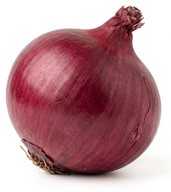 Red onion
Use the same weight, sliced into rings. They are sharper and more colourful; soak in iced water to soften the raw bite.
- Shallot
Use the same weight, sliced into thin rings. They are smaller and sweeter; use several shallots to get the same ring coverage.


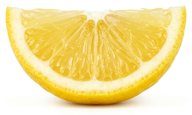 Lemon wedge
Use the same weight; more sour and less floral, so adjust salt and sugar.
 Lime juice
Use 10–15 g juice per wedge; add at the end; it loses the peel aroma.
 Lemon juice
Use 10–15 g per wedge; sharper; taste before adding more.

Similar dishes

- Same: Pasande ki Seekh shares with this dish a lamb kebab format, a marinade using dried kachri, dried fig, yogurt, onion and garlic, and a serving of onion rings and lime wedge.
- Different: Pasande ki Seekh uses lamb fillets instead of boneless lamb, adds poppy seeds, garam masala and chilli powder, omits mustard seeds, cumin, ginger, raw papaya and vegetable oil, and uses much less ghee and more yogurt relative to the meat.

- Same: Chaamp shares lamb, raw papaya as a tenderiser, onion, garlic, ginger, black peppercorn, plain yogurt, and salt with this dish.
- Different: Chaamp uses lamb chops, adds breadcrumbs, egg white, vinegar, garam masala, chilli powder, and cinnamon, and is shallow-fried in ghee, while this dish uses boneless lamb, dried kachri, dried fig, yellow mustard seeds, cumin, and skewered cooking.
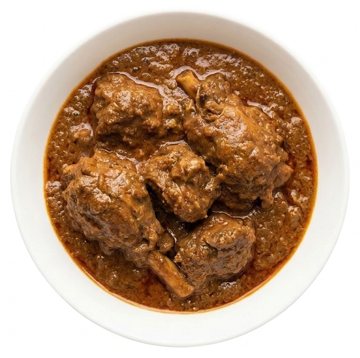
- Same: Dum Raan shares with this dish lamb, raw papaya as a tenderiser, plain yogurt, onion, garlic, ginger, black peppercorn, and salt.
- Different: Dum Raan uses a whole lamb hind leg cooked slow in a muslin bundle with 250 g ghee, khoya, asafoetida, garam masala, chilli powder, ground fennel, sugar, and lemon, while this dish uses boneless lamb skewered with kachri, dried fig, mustard seeds, cumin, vegetable oil, and a charred kebab cooking style.

- Same: Kaleji ka Salan shares a savoury base of onions, ginger, garlic, vegetable oil, and plain yogurt with this dish.
- Different: Rather than skewering lamb with mustard seeds, cumin, and black peppercorns, it stews liver into a saucy curry seasoned with chilli powder and substantially more yogurt.