Indian cooking
Chaamp (Chops)

Chaamp

Chops
Non-vegetarian●●●Origin Anglo-IndianPrep 1 hour, plus marinating timeCook 30 minutes

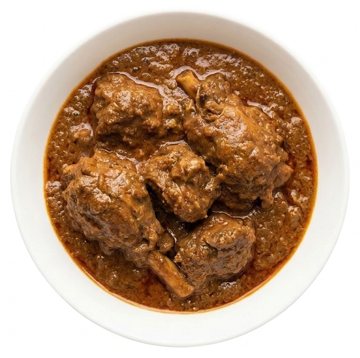
Tenderised chops marinated in a spiced papaya and aromatics paste, coated in breadcrumbs, and shallow-fried in ghee. They are crisp on the outside, juicy within, and balanced with warm spices and a gentle tang.

Whole spice for the paste

0.5 gBlended into the paste (step 2)
01
0.5 g1 piece
spice
Keep whole; it blends directly with the aromatics.

Marinade spices

5 gMixed into the blended marinade (step 3)
Leave ground; stir them straight into the paste.

Everything else

01
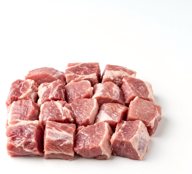
1000 g
meat
02
300 g2 onions
vegetable
03
18 g6 cloves
aromatic
04
24 g1 piece
aromatic
05
900 g1 piece
vegetable
06
15 g1 tablespoon
souring agent
07
60 g4 tablespoons
dairy
09
120 g
grain
10
125 g
oil/fat
11
to taste
salt
12
Large onion · Pyazshredded, to garnish
150 g1 onion
vegetable

Method

  1. Trim 1000 g chops, detaching one rib from each, and flatten them gently using the blunt side of a knife. Arrange the chops in a wide, shallow dish.
  2. Put 300 g onion, 18 g garlic, 24 g ginger, 1 piece papaya, 6 peppercorns, and the whole spice for the paste into a food processor. Grind to a smooth puree, splashing in a little water if needed to help it blend.
  3. Transfer the puree to a mixing bowl and stir in the marinade spices, 1 tablespoon vinegar, 60 g plain yogurt, and salt to taste. Coat the chops generously on both sides with the mixture, cover, and rest in the fridge for 1 hour.
  4. Lightly whisk 1 egg white in a shallow dish, and tip 120 g breadcrumbs onto a flat plate. Shake off excess marinade from each chop, coat in the egg white, and press into the breadcrumbs until completely covered.
  5. Melt a portion of the 125 g ghee in a wide frying pan over medium heat. Fry the chops in batches for roughly 10 minutes, flipping partway through, until rich golden brown and cooked to your liking, replenishing the ghee between batches. Transfer to a serving platter and scatter with 1 shredded onion.

Don't have something?

Lamb chop
  • Pork

    Use equal weight of bone-in pork chops; cook over medium heat, taking care not to dry them out, done in 10-12 minutes.

  • Lamb shoulder

    Use equal weight cut into thick steaks; requires lower, slower braising for 45 minutes longer to become tender.

Onion
  • Shallot

    Use equal weight, finely sliced. Shallots soften and brown faster, giving a slightly sweeter and more delicate base to curries.

  • Cabbage

    Use 80% of the weight, finely shredded and browned slowly with a pinch of asafoetida. Replicates the bulk and natural sweetness in gravies without allium.

Garlic
  • Garlic paste

    Use equal weight. Fry gently in oil or ghee with the ginger; incorporates smoothly into curries without visible minced bits.

  • Garlic powder

    Use 15% to 20% of the weight (about 1 g for every 5 to 6 g fresh cloves). Whisk into sauces; gives a savoury, toasted garlic flavour without raw pungency.

  • Shallot

    Use 1.5 times the weight, very finely minced. Sauté until golden; provides savoury allium sweetness, though it lacks garlic's pungent sulphur bite.

Ginger
  • Fresh ginger

    Use equal weight; scrape off the skin and grate or finely julienne according to the recipe.

  • Ginger paste

    Use equal weight; stir straight into the sizzling aromatics, taking care as the extra moisture may spit.

  • Ground ginger

    Use 15 to 20% of the weight; add alongside ground spices, noting it imparts warm, dry heat rather than zesty freshness.

Raw papaya
  • Green papaya

    Use the same weight; peel, deseed and cube. Very close and cooks at a similar rate.

  • Unripe papaya

    Use the same weight; peel and deseed. Slightly softer, so check doneness early.

  • Chayote

    Use the same weight; peel and cube. Neutral and tender, but less absorbent of masala.

Cassia bark
  • Ceylon cinnamon

    True cinnamon: thinner, papery quills, milder and sweeter. Use about 1.5 times the weight, and taste.

  • Ground cinnamon (cassia)

    Use about a third of the weight (0.5 g ground for a 2.5 cm piece), stirred in with the ground spices rather than fried whole, since the powder burns quickly.

  • Cassia buds

    Use 60-70% of the weight; stronger and more peppery, so taste before adding more.

Black peppercorn
  • Coarsely ground black pepper

    Use 75% of the weight. Add midway through simmering; spreads heat evenly through the dish instead of delivering isolated bursts.

  • Ground black pepper

    Use 50% of the weight. Stir in near the end of cooking; significantly darkens light gravies and provides an immediate, sharp bite.

Garam masala
  • Ground cumin

    Use 50% of the weight mixed with equal parts ground coriander and a pinch of ground cinnamon, ground cloves, and ground green cardamom. Sprinkle near the end for a warming finish.

  • Lentil stew spice mix

    Use 75% of the weight. Simmer briefly in the gravy; imparts roasted warmth and complexity, though it adds a slight tang and earthy lentil undertone.

Chilli powder
  • Red chilli powder

    Use 100% of the weight. Provides direct, sharp heat and red colour in equal measure.

  • Kashmiri chilli powder

    Use 150% to 200% of the weight if matching colour, but add a pinch of black pepper or hot chilli if you need equivalent fiery heat.

  • Cayenne pepper

    Use 75% to 100% of the weight. Offers a sharp, clean heat with slightly less earthy depth and less crimson colour.

Vinegar
  • White vinegar

    Use 100% of the weight directly. It delivers an identical sharp, clean acidity to curries and marinades.

  • Lemon juice

    Use 100% of the weight. Add towards the end of cooking off the heat; introduces a fruity citrus aroma rather than pungent acetic sharpness.

  • Tamarind extract

    Use 75% of the weight diluted in a splash of warm water. Gives a rich, fruity sourness and darkens the gravy.

Plain yogurt
  • Yogurt

    Use equal weight, whisked thoroughly until smooth before adding to hot dishes to prevent curdling.

  • Coconut milk

    Use equal weight with 1 teaspoon lemon juice mixed in. Provides rich creaminess in curries, but adds a noticeable coconut flavour.

  • Single cream

    Use 80% of the weight plus a squeeze of lemon juice for acidity. Enriches sauces nicely, though it is richer and less tangy.

Egg white
  • Egg

    Use the same weight of beaten whole egg for binding or coating. Adds yolk fat and colour; will not whip like egg white.

  • Chickpea flour

    For a coating or binder, use about 10 g chickpea flour mixed with 20 ml water per 30 g egg white. Not whippable and tastes nutty.

  • Milk

    Use the same weight for glazing brushed on breads or pastries. Gives colour but no binding or aeration.

Dried breadcrumb
  • Fresh breadcrumbs

    Use the same weight, but adjust liquid slightly as they are moister. Softer set; good for binding.

  • Bread slice

    Use the same weight of stale bread, whizz to crumbs and dry in a low oven. Closest texture to dried crumbs.

  • Coarse semolina

    Use about 70% of the weight and rest briefly before cooking. Grittier and absorbs more liquid; use for crunch or binding, not for coating.

Ghee
  • Unsalted butter

    Use 120% of the weight; melt gently over low heat to avoid burning the milk solids, which will yield a softer, creamier richness rather than a nutty aroma.


  • Vegetable oil

    Use 85% of the weight; holds high cooking temperatures without smoking, but the final dish will lack traditional dairy depth.

  • Mustard oil

    Use equal weight; heat to smoking point and cool slightly before cooking, bearing in mind it introduces an assertive, pungent edge.

Large onion
  • Onion

    Use the same weight, about 150–200 g per large onion; chop or slice as the recipe says.

  • Red onion

    Use the same weight; a little sharper, so cook it a few minutes longer to soften.

  • Shallot

    Use the same weight; sweeter and softer, and it cooks faster, so lower the heat slightly.

Similar dishes

Dum Raan
Spiced Lamb Baked with Yoghurt and Papaya
Dum Raan is richer, creamier, and sweeter from the khoya and fennel, lacking the sharp vinegar tang and crispy exterior of this dish.
  • Same: Dum Raan also tenderises meat using papaya, yogurt, onion, ginger, garlic, chilli powder, and garam masala cooked in ghee.
  • Different: Rather than shallow-frying breadcrumb-coated chops, Dum Raan slow-braises lamb in a muslin bundle with khoya, fennel, asafoetida, and sugar, omitting the vinegar and cinnamon.
Safed Saalan
Lamb in Milk Sauce (II)
Safed Saalan has a milder, milk-sweetened flavor with no acidic tang or crisp crust.
  • Same: Safed Saalan also uses lamb cooked in ghee with cinnamon, chilli powder, and garam masala.
  • Different: Safed Saalan is braised in milk with whole cloves and sugar rather than coated in breadcrumbs and shallow-fried, and it omits the onions, garlic, ginger, yogurt, and vinegar used in this dish.
Pasande ki Seekh
Lamb Fillets on Skewers
Pasande ki Seekh tastes smokier and mildly sweeter from the figs, lacking the sharp vinegar tang and crunchy fried crust of this dish.
  • Same: Pasande ki Seekh also marinates meat in yogurt seasoned with onion, garlic, garam masala, and chilli powder.
  • Different: Instead of tenderising chops with papaya and vinegar to bread and shallow-fry in ghee, Pasande ki Seekh marinates lamb fillets with figs and poppy seeds before skewering and smoke-roasting them.
Kaleji ka Salan
Liver Curry
Kaleji ka Salan tastes rich, saucy, and earthy from the liver, without the crisp crust, sharp vinegar tang, or sweet spice of this dish.
  • Same: Kaleji ka Salan shares the base aromatics of onion, ginger, garlic, and chilli powder, along with plain yogurt to enrich the meat.
  • Different: Kaleji ka Salan is a simmered liver curry cooked in vegetable oil, lacking the breadcrumb coating, ghee, vinegar, cinnamon, and garam masala used to shallow-fry this dish.