Indian cooking
Indian cooking / Dishes / Kashmiri Tsuk Wangun
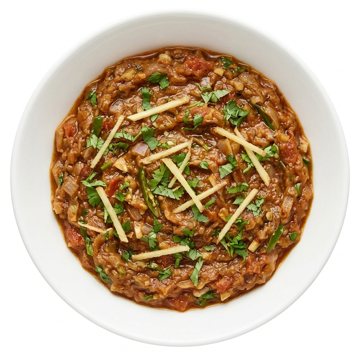
Kashmiri Tsuk Wangun (Tangy Spiced Aubergines with Fried Onions, Chilli and Tamarind)

Kashmiri Tsuk Wangun

Tangy Spiced Aubergines with Fried Onions, Chilli and Tamarind
VegetarianOrigin North India

This is a Kashmiri-style aubergine curry: baby aubergines are fried until coloured, then cooked in a tomato and tamarind sauce with browned onion and warm spices. It tastes tangy and aromatic, with soft aubergines and a slight chilli warmth.

Whole clove for the oil

0.3 gAdded to the hot oil before the garlic-ginger paste (step 5)
01
0.3 g4 cloves
spice
Keep whole; add it to the hot oil.

Ground spices for the sauce

9 gStirred into the thickened tomato base (step 8)
02
1.5 g½ teaspoon
spice
03
1.8 g1 teaspoon
spice
04
0.9 g½ teaspoon
spice
05
Fennel seed · Saunfcoarsely ground
2 g1 teaspoon
spice
Stir together and add to the tomato base.

Everything else

01
12 g4 cloves
aromatic
02
10 g2½ cm
aromatic
03
200 g
vegetable
04
16 g1 tablespoon
vegetable
05
Vegetable oil · Telfor frying, plus 3 tablespoons for the curry
to taste
oil/fat
06
Baby aubergine · Chhota Bainganslit and stems trimmed
210–280 g6–8 aubergines
vegetable
07
Onion · Pyazthinly sliced
100 g
vegetable
08
~0.3 gpinch
sweetener
09
348 g350 ml
liquid
10
30 g5 teaspoons
souring agent
11
to taste
herb
12
to taste
salt

Method

  1. Blend 12 g garlic, 10 g fresh ginger root and a splash of the 348 g water to a smooth paste. Scrape into a bowl.
  2. Blend 200 g tomato with 15.6 g tomato purée until smooth. Set aside.
  3. Heat enough vegetable oil for shallow-frying in a frying pan over medium heat. Fry 210–280 g baby aubergines for 3–4 minutes, turning them so they colour evenly. Drain on kitchen paper.
  4. Fry 100 g onion in the same pan for 12–15 minutes, stirring, until browned. Drain on kitchen paper.
  5. Heat 3 tablespoons vegetable oil in a large saucepan over medium heat. Add the whole clove for the oil (0.3 g clove) and let it sizzle.
  6. Add the garlic-ginger paste and fry for 2 minutes.
  7. Add the tomato purée mixture and cook for 5 minutes, until thickened.
  8. Add the ground spices for the sauce (the masala: 2.6 g kashmiri chilli powder, 1.5 g ground turmeric, 1.8 g ground coriander, 0.9 g ground ginger and 2 g fennel seed) and stir for 1 minute.
  9. Add 0.3 g granulated sugar and the remaining water. Season with salt and bring to a low simmer.
  10. Add the fried onion and aubergines. Cover and cook for 10 minutes.
  11. Stir in 30 g tamarind paste. Cover again and cook for 5–6 minutes more.
  12. Finish with chopped coriander leaf.

Don't have something?

Garlic
  • Garlic paste

    Use equal weight. Fry gently in oil or ghee with the ginger; incorporates smoothly into curries without visible minced bits.

  • Garlic powder

    Use 15% to 20% of the weight (about 1 g for every 5 to 6 g fresh cloves). Whisk into sauces; gives a savoury, toasted garlic flavour without raw pungency.

  • Shallot

    Use 1.5 times the weight, very finely minced. Sauté until golden; provides savoury allium sweetness, though it lacks garlic's pungent sulphur bite.

Fresh ginger
  • Ginger paste

    Use equal weight. Sauté in hot fat until the raw allium smell disappears; slightly wetter, but provides identical warmth and pungency.

  • Ground ginger

    Use 20% to 25% of the weight (1 g for every 4 to 5 g fresh). Stir into the gravy; adds peppery heat and warmth, though it misses the crisp, zesty kick of raw root.

Tomato
  • Tomato purée

    Use 40% to 50% of the fresh tomato weight mixed with a splash of water. Imparts a deeper red colour, thicker sauce, and slightly sweeter cooked flavour.

  • Plain yogurt

    Use 60% of the weight, whisked smooth and added on low heat. Provides rich body and sourness, though the gravy becomes paler and creamier.

Tomato purée
  • Tomato

    Use 200% to 250% of the weight. Finely grate or blend fresh tomatoes, then cook them down until the moisture evaporates and the oil separates.

Vegetable oil
  • Peanut oil

    Use 1:1 by weight. Handles high-heat frying identically and introduces a very subtle, pleasant nuttiness.

  • Ghee

    Use 1:1 by weight. Yields a much richer, authentic aroma and a glossy, heavier mouthfeel.

  • Mustard oil

    Use 1:1 by weight. Heat until smoking, then cool slightly before cooking to temper its intensely pungent, sharp mustard kick.

Baby aubergine
  • Small aubergine

    Use the same weight; cut into baby-aubergine-sized wedges. Cooking time is nearly the same, maybe 1 minute less.

  • Aubergine

    Use the same weight; cut into 3 cm cubes. It releases more water, so cook 3–4 minutes longer and adjust salt.

  • Round aubergine

    Use the same weight; quarter and cook 2 minutes longer. Flesh is softer and absorbs more oil.

Onion
  • Shallot

    Use equal weight, finely sliced. Shallots soften and brown faster, giving a slightly sweeter and more delicate base to curries.

  • Cabbage

    Use 80% of the weight, finely shredded and browned slowly with a pinch of asafoetida. Replicates the bulk and natural sweetness in gravies without allium.

Clove
  • Ground cloves

    Use 1 g ground for 4 g whole (or 1 small pinch per 2 to 3 whole cloves). Add with spice powders; disperses intense warmth quickly, so use with restraint.

  • Allspice berries

    Use 100% of the weight whole in tempering. Imparts a warm, clove-like aromatic profile combined with hints of nutmeg and cinnamon.

  • Black cardamom pod

    Use 1 pod for 3 to 4 cloves in whole tempering. Shares a camphor-like warmth and medicinal depth, though it introduces a distinct smoky undertone.

Kashmiri chilli powder
  • Dried kashmiri chilli

    Grind deseeded dried pods to an equal weight of powder; gives identical vivid red colour and gentle warmth.

  • Red chilli powder

    Use 25% of the weight mixed with sweet paprika for colour; straight red chilli powder is substantially hotter and will make the dish fiery.

  • Chilli powder

    Use one-third of the weight; the sauce will be less intensely red and notably sharper in heat.

Ground turmeric
  • Ground ginger

    Use 50% of the weight. Mimics turmeric's warm, earthy, rhizome background, but provides none of the golden-yellow colour.

  • Saffron

    Steep a tiny pinch (0.1 g per 2 g turmeric) in 2 tbsp warm water; use to match the rich golden hue. Contributes an aristocratic, honeyed floral flavour rather than earthy bitterness.

Ground coriander
  • Coriander seeds

    Dry-roast lightly in a pan and grind to a fine powder; use equal weight (1:1). Offers a noticeably fresher, brighter citrus note.

  • Ground cumin

    Use 50% to 75% of the weight. Lacks the floral, citrusy profile of coriander and turns the gravy heavier, earthier, and darker.

  • Garam masala

    Use 50% of the weight and stir in near the end of cooking. Adds warmth and depth since it contains ground coriander, but introduces stronger spices like clove and cinnamon.

Ground ginger
  • Ginger paste

    Use 300% to 400% of the weight (e.g. 3–4 g paste for 1 g ground). Fry in oil alongside onions; provides a juicy, pungent kick rather than a dry, baking-spice heat.

  • Fresh ginger

    Peel and grate finely; use 300% to 400% of the weight. Add to the hot oil early; delivers bright, peppery warmth rather than the mellow, woody heat of dry ginger.

  • Ground mace

    Use 50% of the weight. Imparts a warm, spicy undertone in rich gravies, but lacks ginger's fiery, sharp zest.

Fennel seed
  • Aniseed

    Use 75% of the weight. Fry in hot oil or ghee; has a sharper, more pronounced liquorice flavour, so use a lighter hand.

  • Ground fennel seed

    Use 60% of the weight. Stir into the sauce with ground masalas; provides identical sweet aniseed flavour without whole seed crunch.

  • Star anise

    Use one point (single carpel) per 1 g of fennel seeds. Simmer in gravies and remove before serving; gives a deeper, woodier liquorice aroma.

Granulated sugar
  • Jaggery

    Use equal weight; grate or shave finely so it dissolves rapidly, giving a warm, caramel-like sweetness and slightly darker sauce.

Water
  • Stock

    Use the same weight in savoury dishes; it adds body, so adjust salt.

  • Milk

    Use the same weight only in doughs or creamy dishes; it makes the result richer.

  • Coconut water

    Use the same weight in curries or rice; it adds sweetness and a faint coconut taste.

Tamarind paste
  • Tamarind pulp

    Use 120–150% of the weight and strain; pulp is less concentrated, so simmer a little longer to thicken.

  • Tamarind extract

    Use 150–200% of the weight and reduce gently; extract is already diluted.

  • Lime juice

    Use 60–70% of the weight with a pinch of jaggery; sharper, so add near the end off the heat.

Coriander leaf
  • Coriander

    Use equal weight finely chopped; this is the exact same fresh herb.

  • Mint

    Use half the weight finely chopped; provides vibrant green freshness, though the flavour profile becomes noticeably cooler and sharper.

Similar dishes

Baigan ka Bharta
Roasted Mashed Aubergine (Eggplant)
Baigan ka Bharta tastes smoky, rich and savoury from charred aubergine and ghee with gentle heat, while this dish tastes more sour-hot and aromatic from tamarind and warm spices with a lightly sweet onion depth.
  • Same: Baigan ka Bharta shares aubergine, onion, garlic, ginger, tomato, turmeric, chilli powder and coriander leaf with this dish, and both are simmered spiced aubergine preparations.
  • Different: Baigan ka Bharta uses roasted charred aubergine mashed into the gravy, plus ghee, groundnut oil, cumin seed and green chilli, while this dish uses shallow-fried baby aubergines in a tomato-tamarind gravy with fennel, clove, ground ginger, Kashmiri chilli powder, tamarind paste and sugar.
Kutchi Bhagare Baingan
Baby Aubergines with Coconut, Chilli, Tamarind and Curry Leaves
It tastes nutty from poppy seed, sesame and coconut and only mildly hot from black pepper and dried chilli, while this dish is more sour-hot and aromatic from tamarind, tomato, fennel and clove.
  • Same: Kutchi Bhagare Baingan shares baby aubergines, onion, tomato, garlic, Kashmiri chilli powder, turmeric, tamarind, vegetable oil, coriander leaf and salt with this dish.
  • Different: It adds poppy seed, sesame, coconut, curry leaf, black pepper and dried red chilli, uses more oil and onion, and lacks fresh ginger, fennel, clove, tomato purée, sugar and ground coriander.
Tandoori Baingan
Aubergine Tikkas in Creamy Yoghurt, Mustard, Chilli & Ginger
It tastes smoky, tangy and gently hot from the charred yoghurt marinade, while this dish tastes sour-hot from tamarind and tomato with a sweet onion depth.
  • Same: Tandoori Baingan shares aubergine, garlic, ginger, Kashmiri chilli powder, ground coriander, turmeric, sugar and salt with this dish.
  • Different: It adds Greek yoghurt, mustard oil, melted butter, green bird's-eye chilli, chaat masala, garam masala, dried fenugreek leaf and red onion, and it grills the aubergine instead of shallow-frying and simmering it in a tomato-tamarind gravy.
Baingan Ka Bharta
Smoky Aubergine with Spices, Tomato and Ginger
Baingan Ka Bharta tastes soft, smoky, tangy and mildly spicy from lemon and green chilli, while this dish is sour-hot and aromatic from tamarind and Kashmiri chilli with sweet onion depth.
  • Same: Baingan Ka Bharta shares aubergine, onion, tomato, garlic, ginger, chilli, turmeric, coriander and vegetable oil with this dish.
  • Different: Baingan Ka Bharta uses mashed aubergine and lemon juice as the souring agent, adds green bird’s eye chilli, and lacks this dish’s baby aubergines, tamarind paste, fennel seed, clove and sugar.