Indian cooking
Indian cooking / Dishes / Gobi Tandoori (Tandoori Home Cooking)
Gobi Tandoori (Tandoori Home Cooking) (Whole Roasted Cauliflower in a Creamy Coconut & Chilli Sauce)

Gobi Tandoori (Tandoori Home Cooking)

Whole Roasted Cauliflower in a Creamy Coconut & Chilli Sauce
Vegetarian

A whole cauliflower roasted in a spiced ghee marinade and a creamy coconut-chilli sauce, finished with almonds and coriander. It is rich, gently spicy and coconut-forward, with a tender roasted centre.

Turmeric for the blanching water

3 gStirred into the water before boiling (step 2)
01
3 g1 teaspoon
spice
Keep ground; stir it into the water with the salt.

Marinade spices

10 gStirred into the ghee, garlic and ginger marinade (step 4)
02
5 g2 teaspoons
spice
03
1.1 g½ teaspoon
spice
04
~0.3 gpinch
spice
Mix into the marinade until evenly combined.

Everything else

01
600 g1 head
vegetable
02
~0.3 gpinch
salt
03
811 g800 ml
liquid
04
Almond · Badamslivered or crushed, to garnish
~30 ghandful
nut/seed
05
Coriander leaf · Hara Dhaniafinely chopped, to garnish
1 g1 tablespoon
herb
06
41 g3 tablespoons
oil/fat
07
Garlic · Lehsunfinely grated (shredded)
6 g2 cloves
aromatic
08
Fresh ginger · Adrakfinely grated (shredded)
20 g5 cm
aromatic
09
to taste
salt

Method

  1. Cut away the outer leaves from 600 g cauliflower and slice the stalk end level so it sits flat.
  2. Fill a deep pan with enough water to cover the cauliflower. Stir in 3 g ground turmeric and 0.3 g salt, then bring to a boil over medium heat.
  3. Lower the cauliflower head-down into the boiling water and cook for 7–8 minutes. Lift it out, drain and leave for 20 minutes.
  4. In a bowl, mix 41.4 g melted ghee or butter, 6 g garlic and 10 g ginger. Add the marinade spices (3.9 g kashmiri chilli powder, 5.2 g ground cumin, 1.1 g ground nutmeg and 0.3 g saffron strands) and salt to taste; stir to a paste.
  5. Rub the marinade all over the cauliflower, working it into the gaps between florets and around the stem.
  6. Heat the oven to 200°C fan (425°F/gas 7).
  7. Pour 811 g coconut milk into a roasting dish wide enough for the cauliflower and stir in any marinade left in the bowl. Put the cauliflower in the dish and roast for 50 minutes, spooning coconut milk over it at the halfway point.
  8. Roast until the coconut milk has thickened and the cauliflower is tender all the way through. Scatter over 30 g almonds and 1 g coriander, then serve warm in thick wedges.

Don't have something?

Cauliflower
  • Broccoli

    Use the same weight; cut into similar florets and cook 2–3 minutes less. It is greener and slightly stronger in flavour.

  • Cauliflower floret

    Use the same weight and break into even florets. This is essentially the same vegetable, so cooking and flavour change little.

  • Cabbage

    Use the same weight; cut into wedges and cook 3–5 minutes less. It becomes much softer and sweeter, so the dish loses cauliflower's bite.

Ground turmeric
  • Ground ginger

    Use 50% of the weight. Mimics turmeric's warm, earthy, rhizome background, but provides none of the golden-yellow colour.

  • Saffron

    Steep a tiny pinch (0.1 g per 2 g turmeric) in 2 tbsp warm water; use to match the rich golden hue. Contributes an aristocratic, honeyed floral flavour rather than earthy bitterness.

Coconut milk
  • Single cream

    Use equal weight; simmer gently over low heat to prevent curdling. Imparts a comparable rich texture, though it adds dairy richness without any coconut fragrance.

  • Cashew paste

    Whisk 1 part cashew paste with 2 parts water to match the consistency, then use equal weight. Provides a thick, velvety body without coconut flavour.

  • Whole milk

    Use equal weight, but reduce other cooking liquids by 20% to compensate for the lower viscosity. The curry will be lighter and lack sweetness.

Almond
  • Cashew nut

    Use equal weight. Soak in warm water and grind to a paste or fry identically; yields a slightly creamier and sweeter sauce.

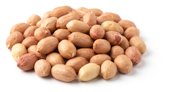
  • Shelled peanut

    Use equal weight. Lightly roast, skin, and grind; introduces a heavier body and a pronounced roasted-nut aroma.

Coriander leaf
  • Coriander

    Use equal weight finely chopped; this is the exact same fresh herb.

  • Mint

    Use half the weight finely chopped; provides vibrant green freshness, though the flavour profile becomes noticeably cooler and sharper.

Ghee or butter
  • Ghee

    Use the same weight. Gives a richer aroma and nuttier taste; if the dish already uses butter for finishing, ghee can make it slightly heavier.

  • Butter

    Use the same weight. Lower smoke point than ghee, so keep the heat moderate; if unsalted, add a small pinch of salt.

  • Vegetable oil or ghee

    Use about 90% of the weight. Less rich flavour; good when you want a lighter result.

Garlic
  • Garlic paste

    Use equal weight. Fry gently in oil or ghee with the ginger; incorporates smoothly into curries without visible minced bits.

  • Garlic powder

    Use 15% to 20% of the weight (about 1 g for every 5 to 6 g fresh cloves). Whisk into sauces; gives a savoury, toasted garlic flavour without raw pungency.

  • Shallot

    Use 1.5 times the weight, very finely minced. Sauté until golden; provides savoury allium sweetness, though it lacks garlic's pungent sulphur bite.

Fresh ginger
  • Ginger paste

    Use equal weight. Sauté in hot fat until the raw allium smell disappears; slightly wetter, but provides identical warmth and pungency.

  • Ground ginger

    Use 20% to 25% of the weight (1 g for every 4 to 5 g fresh). Stir into the gravy; adds peppery heat and warmth, though it misses the crisp, zesty kick of raw root.

Kashmiri chilli powder
  • Dried kashmiri chilli

    Grind deseeded dried pods to an equal weight of powder; gives identical vivid red colour and gentle warmth.

  • Red chilli powder

    Use 25% of the weight mixed with sweet paprika for colour; straight red chilli powder is substantially hotter and will make the dish fiery.

  • Chilli powder

    Use one-third of the weight; the sauce will be less intensely red and notably sharper in heat.

Ground cumin
  • Cumin seed

    Dry-roast briefly and grind finely; use equal weight (1:1). Imparts an even punchier, nuttier, toasty aroma than pre-ground cumin.

  • Ground coriander

    Use equal weight (1:1). Adds mild, lemony sweetness rather than cumin's smoky, earthy bite; curries will taste lighter and less savoury.

  • Black cumin seeds

    Grind finely; use 60% to 75% of the weight. Produces a darker, more complex, smoky-herbal flavour suited to rich gravies.

Ground nutmeg
  • Nutmeg

    Grate whole nutmeg finely on a microplane; use 80% to 100% of the weight. Freshly grated nutmeg has significantly more aromatic oils and a more vibrant aroma.

  • Ground mace

    Use 100% to 120% of the weight. Mace is nutmeg's outer husk, providing almost identical warmth but with a lighter, slightly more delicate, floral edge.


  • Ground cinnamon (cassia)

    Use 75% of the weight. Adds comparable warmth and sweetness, though it lacks the musky, nutty undertone of nutmeg.

Saffron thread
  • Saffron powder

    Use the same weight; it disperses faster, so no steeping is needed. Add directly to warm milk or oil.

  • Ground turmeric

    Use a tiny pinch for colour only, about 1 g for 0.2 g saffron. It will not give saffron flavour.

  • Screwpine water or rosewater

    Use 1 tsp for a floral scent only. It does not replace saffron's colour or taste.

Similar dishes

Rajasthani Gobi Rajwadi
Spicy Cauliflower with Chilli & Tomato
Rajasthani Gobi Rajwadi tastes tangy, savoury and gently hot from tomato and chilli, while this dish is rich, coconut-forward and gently spicy.
  • Same: Rajasthani Gobi Rajwadi shares cauliflower, ghee, turmeric, Kashmiri chilli powder, ginger, garlic and coriander with this dish.
  • Different: Rajasthani Gobi Rajwadi is a dry onion-and-tomato dish with cumin and coriander seeds, dried red and green chillies and chaat masala, and it lacks this dish's coconut milk, almonds, saffron, nutmeg and whole-roasted cauliflower.
Tamil Cauliflower Milagu Peratu
Spicy Cauliflower with Black Pepper, Curry Leaves, Fennel and Turmeric
It tastes pepper-forward, warm and dry with a tomato tang, while this dish is rich, creamy, coconut-forward and only gently spicy.
  • Same: Tamil Cauliflower Milagu Peratu shares cauliflower, turmeric, cumin, garlic, coriander leaf and salt with this dish.
  • Different: It uses vegetable oil rather than ghee, adds onion, tomato, black peppercorn, fennel, cinnamon, poppy seeds and curry leaves, and is cooked as a dry masala with water rather than as a whole roasted cauliflower in a coconut-milk and chilli sauce with almonds, saffron and nutmeg.
Phool Gobi
Cauliflower Masala
Phool Gobi tastes savoury, earthy and gently sweet with a dry spice coating, not rich, creamy or coconut-forward like this dish.
  • Same: Phool Gobi shares cauliflower, turmeric, chilli powder, ginger, coriander and salt with this dish.
  • Different: Phool Gobi is a dry floret curry cooked in vegetable oil, while this dish roasts a whole cauliflower in ghee and serves it in a coconut-milk sauce with almonds and saffron; Phool Gobi lacks coconut milk, almonds, saffron, nutmeg and ghee/butter, and adds asafoetida, cumin seed, fenugreek seed, sugar and garam masala.
Gobi Kali Mirch
Peppery Cauliflower Curry
Gobi Kali Mirch tastes dry, peppery and lightly spiced with toasted lentil notes, while this dish tastes rich, creamy, coconut-forward and gently spicy.
  • Same: Gobi Kali Mirch shares cauliflower and cumin with this dish.
  • Different: Gobi Kali Mirch is a dry stir-fry of cauliflower with mustard seed, cumin seed, urad dal, black pepper and vegetable oil, while this dish roasts a whole cauliflower in ghee and serves it in a coconut milk sauce with almonds, garlic, ginger, chilli powder, nutmeg, saffron and coriander.