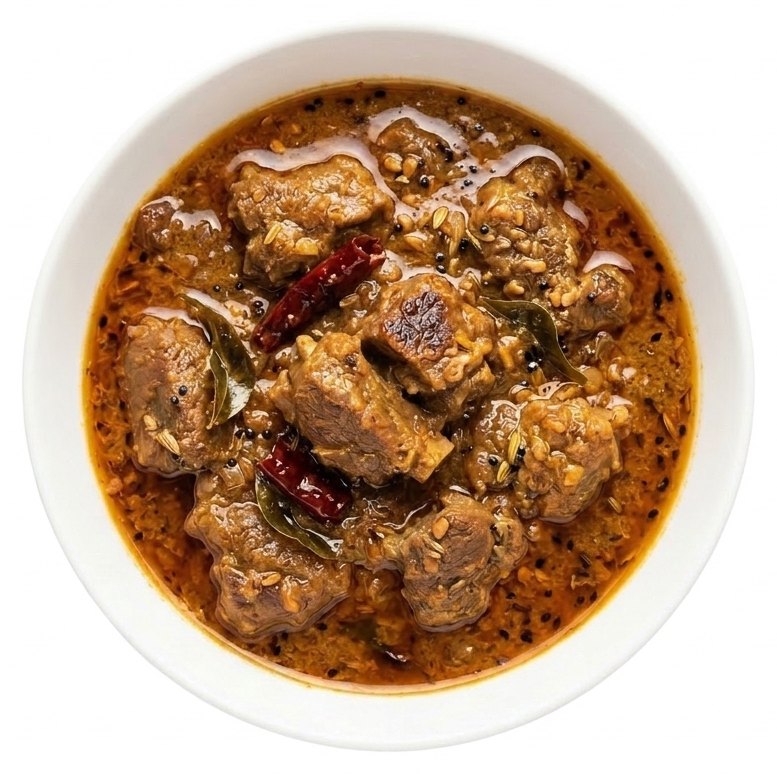
Achari Gosht
Tender pieces of lamb braised in a tangy, spiced gravy infused with the pungent, aromatic profile of traditional pickling seeds and yoghurt.
Turmeric for boiling
3 gAdded to the poaching water with the lamb (step 2)Dried chillies for the oil
15 gFried briefly in the hot mustard oil (step 3)Whole tempering spices
10 gSizzled in the mustard oil with the curry leaves (step 4)Sauce spices and aromatics
35 gStirred in with the meat and onion paste (step 5)Everything else

Method
- Warm 13.5 g vegetable oil in a skillet over medium heat, add 100 g onion, and fry for 5–7 minutes until richly browned. Transfer the fried onions to a blender and blitz into a smooth paste, then set aside.
- Pour 1 litre of water into a large, heavy pot and bring to a rolling boil. Add 1000 g lamb and the turmeric for boiling, then boil vigorously for 5 minutes. Lower the heat, cover with a lid, and simmer gently for 1–1½ hours until tender. Drain the meat and reserve the cooking broth.
- Heat 228 g mustard oil in a heavy pot over high heat until very hot, then drop the heat to medium. Drop in the dried chillies for the oil and stir-fry for 30 seconds before lifting them out and throwing them away.
- Tip the whole tempering spices into the infused oil alongside 3.8–5 g curry leaf. Fry for about 1 minute until the seeds crackle and release their fragrance.
- Add the drained lamb, the sauce spices and aromatics, 1 tablespoon sugar, and the blended onion paste. Increase the heat to high, pour in the reserved cooking broth, and fry until the lamb browns and the gravy thickens.
- Pour in 45.9 g lemon juice and add salt to taste. Turn the heat down low and let the liquid simmer gently for 2 minutes.
- Take the pan off the heat and stir in 254 g plain yogurt until completely incorporated. Set the pot back over low heat and simmer until the fat separates and floats to the surface.
Don't have something?


 Ground ginger
Use 50% of the weight. Mimics turmeric's warm, earthy, rhizome background, but provides none of the golden-yellow colour.
 Saffron
Steep a tiny pinch (0.1 g per 2 g turmeric) in 2 tbsp warm water; use to match the rich golden hue. Contributes an aristocratic, honeyed floral flavour rather than earthy bitterness.


 Peanut oil
Use equal weight. It handles high-heat cooking well, but lacks the signature pungent, nasal heat of mustard oil.
 Vegetable oil
Use equal weight. Neutral in flavour, so your curry will lack the characteristic Bengali or North Indian pungent punch.


 Dried kashmiri chilli
Use equal weight whole. Fry in hot oil or ghee as tempered spice; gives a richer red colour with slightly milder heat.
 Red chilli powder
Use 50% to 70% of the weight. Stir into the oil with ground spices; distributes heat evenly throughout the dish without whole chilli skins.


 Garlic powder
Use double the weight. Stir into hot oil just before adding wet ingredients; mimics the allium savoury background without the sulphurous edge.
 Garlic paste
Use 2 g for every 0.5 g of asafoetida. Sauté in oil until the raw smell clears; adds moisture and sweet allium depth.


 Mustard seeds
Use equal weight. Pop in hot fat until they crackle and turn greyish; yields an almost identical nutty, pungent finish.
 Yellow mustard seeds
Use equal weight. Fry over medium heat; delivers a milder, sweeter pop and turns bitter quickly if the oil is excessively hot.


- Mustard seed
Use 50% of the weight, crush or grind. Sharper heat and less maple-bitter; fry briefly in oil before adding.
 Caraway seeds
Use the same weight, crush lightly. Similar bitter-seed note but more aniseed; reduce other sweet spices slightly.
 Ajwain seeds
Use 25–30% of the weight, crush. Much stronger thyme-like flavour; do not overdo.


 Aniseed
Use 75% of the weight. Fry in hot oil or ghee; has a sharper, more pronounced liquorice flavour, so use a lighter hand.
 Ground fennel seed
Use 60% of the weight. Stir into the sauce with ground masalas; provides identical sweet aniseed flavour without whole seed crunch.
 Star anise
Use one point (single carpel) per 1 g of fennel seeds. Simmer in gravies and remove before serving; gives a deeper, woodier liquorice aroma.


 Bay leaf
Fry 1 bay leaf for every 5 curry leaves in hot oil; imparts a warm, woodsy background note, but misses the citrus-sulphury punch entirely.
 Lime juice
Add a small squeeze (about 5 ml per sprig of curry leaves) right before serving; provides sharp citrus top notes without the toasty, herbal aroma.


 Ground cloves
Use 1 g ground for 4 g whole (or 1 small pinch per 2 to 3 whole cloves). Add with spice powders; disperses intense warmth quickly, so use with restraint.
 Allspice berries
Use 100% of the weight whole in tempering. Imparts a warm, clove-like aromatic profile combined with hints of nutmeg and cinnamon.
 Black cardamom pod
Use 1 pod for 3 to 4 cloves in whole tempering. Shares a camphor-like warmth and medicinal depth, though it introduces a distinct smoky undertone.


 Fresh ginger
Use equal weight; peel and grate very finely on a microplane or pound to a fine paste in a mortar.
 Ginger
Use equal weight; mince finely and crush with the flat of a knife before frying.
- Ground ginger
Use 20% of the weight; add directly with the dry spice powders, though it yields an earthier, less pungent profile.


 Garlic
Use equal weight; crush or finely grate to a smooth pulp to replicate the same fresh, pungent moisture in your base gravy.
- Garlic powder
Use 20 to 25% of the weight; mix with a teaspoon of water before adding to oil so it does not burn, noting it lacks the fresh bite.


- Red chilli powder
Use 100% of the weight. Provides direct, sharp heat and red colour in equal measure.
 Kashmiri chilli powder
Use 150% to 200% of the weight if matching colour, but add a pinch of black pepper or hot chilli if you need equivalent fiery heat.
 Cayenne pepper
Use 75% to 100% of the weight. Offers a sharp, clean heat with slightly less earthy depth and less crimson colour.


 Ground cumin
Use 70% of the weight; add with ground spices or sauce bases rather than hot oil tempering, where it scorches quickly and turns bitter.
 Black cumin seeds
Use equal weight for oil tempering. Delivers an earthy profile with an additional musky, smoky, and slightly bitter edge.
- Fennel seed
Use 60% of the weight for tempering; offers comparable warm aroma, but leans sweet and liquorice-like rather than savoury and earthy.


- Black cumin seeds
Use equal weight. Imparts an earthy, slightly bitter note in temperings, though it lacks nigella's oniony sharpness.
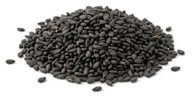 Black sesame seeds
Use equal weight. Gives a similar speckled appearance and light crunch on breads, but provides a nutty rather than herbaceous, onion-like flavour.


 Demerara sugar
Use the same weight; it is drier and slightly less molasses-rich, so taste and add a little more if needed.
 Jaggery
Use the same weight; it is stronger and more mineral, so dissolve it first and reduce any other sweetener.
 Granulated sugar
Use the same weight; it is less moist and less dark. Add 5 g cane molasses per 100 g if you have it.


- Lime juice
Use equal volume or weight; delivers almost identical sharp acidity with a faintly more aromatic, bitter-edged profile.
 Dried mango powder
Use 25% of the weight (about 1 g amchoor for 4 g juice); provides clean fruity tartness without thinning the sauce.
 White vinegar
Use 75% of the volume; gives direct sourness without any citrus floral fragrance.


 Yogurt
Use equal weight, whisked thoroughly until smooth before adding to hot dishes to prevent curdling.
 Coconut milk
Use equal weight with 1 teaspoon lemon juice mixed in. Provides rich creaminess in curries, but adds a noticeable coconut flavour.
 Single cream
Use 80% of the weight plus a squeeze of lemon juice for acidity. Enriches sauces nicely, though it is richer and less tangy.


- Peanut oil
Use 1:1 by weight. Handles high-heat frying identically and introduces a very subtle, pleasant nuttiness.
 Ghee
Use 1:1 by weight. Yields a much richer, authentic aroma and a glossy, heavier mouthfeel.
- Mustard oil
Use 1:1 by weight. Heat until smoking, then cool slightly before cooking to temper its intensely pungent, sharp mustard kick.




Similar dishes

- Same: Maas Banjara also braises lamb in an onion and yogurt base seasoned with dried red chillies, garlic, and ginger.
- Different: Instead of mustard oil, lemon juice, and pickling spices like fenugreek, mustard, and nigella seeds, Maas Banjara cooks the meat in ghee with black cardamom and extra yogurt.
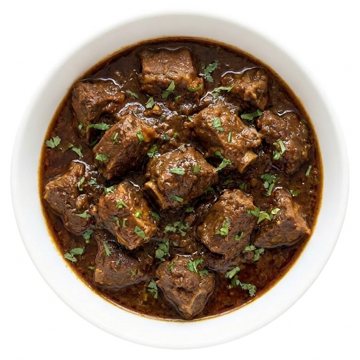
- Same: Chippa Gosht uses the same base of one kilogram of lamb seasoned with ginger, garlic, turmeric, chilli powder, and lemon juice.
- Different: Chippa Gosht is slow-cooked in a clay pot with neutral vegetable oil, omitting this dish's yogurt, onions, mustard oil, and whole spices such as nigella, fenugreek, and mustard seeds.

- Same: Both dishes slow-cook lamb in mustard oil with a base of yoghurt, onions, ginger, garlic, cloves, turmeric, and chilli powder.
- Different: Nahari omits lemon juice and pickling seeds like fenugreek, nigella, fennel, and mustard, instead using black cardamom, cinnamon, black pepper, coriander, and roasted chickpea flour to thicken the stew.

- Same: Both dishes braise one kilogram of lamb with onions, ginger, garlic, cumin, cloves, turmeric, and chilli powder.
- Different: Mutton Kolhapuri builds its gravy with vegetable oil, tomatoes, toasted coconut, poppy seeds, and cinnamon, omitting this dish's mustard oil, yogurt, lemon juice, curry leaves, and pickling seeds.