Indian cooking
Indian cooking / Dishes / Sarangyacha Pulao
Sarangyacha Pulao (Pomfret Pulao)

Sarangyacha Pulao

Pomfret Pulao
Non-vegetarian●●●Origin CoastalPrep 45 minutes, plus soaking and marinating timeCook 45 minutes

A fragrant coastal layered rice dish built with tender pomfret, toasted coconut, and warm spices. It delivers a gentle chilli heat balanced by tart lime and sweet whole aromatics.

Fish marinade spice

3 gStirred with lime juice and rubbed onto the fish (step 2)
01
3 g1 teaspoon
spice
Keep ground; ready to mix with the lime juice.

Curry paste spices

9 gBlended with aromatics into a smooth paste (step 3)
01
1.3 g½ teaspoon
spice
02
0.9 g½ teaspoon
spice
04
1.3 g1 piece
spice
05
0.1 g2 cloves
spice
Leave ready to blend with the fresh ingredients and dry spices.

Rice spice

0.5 gSizzled in the oil before frying the rice (step 6)
01
0.5 g1 leaf
spice
Keep whole to infuse the cooking oil.

Everything else

01
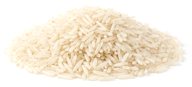
400 g
grain
02
10 g2 teaspoons
souring agent
04
16 g3 tablespoons
nut/seed
05
24 g8 cloves
aromatic
06
54 g4 tablespoons
oil/fat
07
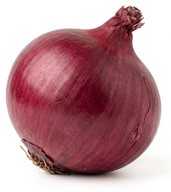
Large onion · Pyazvery thinly sliced
150 g1 onion
vegetable
08
to taste
salt

Method

  1. Submerge 400 g rice in cold water for 30 minutes, then drain thoroughly.
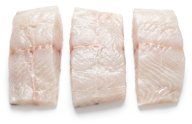
  2. In a shallow dish, stir together 10.2 g lime juice, salt to taste, and the fish marinade spice. Coat 1000 g fish chunks evenly in the marinade, cover, and chill in the refrigerator for 20 minutes.
  3. Combine the curry paste spices in a blender with 1 teaspoon roasted aniseed, 3 tablespoon roasted grated coconut, 6 dried red chillies, 24 g garlic, 0.5 teaspoon cardamom, and a splash of water. Process until completely smooth.
  4. Heat half of the 54 g vegetable oil (about 27 g) in a wide, heavy-based pan over medium heat. Fry 1 thinly sliced onion for 2 minutes until translucent, then add the blended paste and cook, stirring, for 2 to 3 minutes.
  5. Add the marinated fish along with its juices and 125 ml water. Turn the heat down slightly, cover with a lid, and simmer for 5 minutes. Remove from the heat and set aside.
  6. In a second heavy-based pot, warm the remaining vegetable oil over medium heat and sizzle the rice spice for roughly 1 minute until fragrant. Lower the heat, tip in the drained rice, and stir gently for 2 minutes. Pour in 1 litre water and 0.5 teaspoon salt, bring to a rolling boil, then clamp on the lid and simmer over low heat for 15 minutes until tender, checking occasionally in case extra moisture is required.
  7. Spoon half of the cooked rice into a separate bowl. Layer half of the cooked fish and sauce over the rice remaining in the pot, cover with the reserved rice, and finish with the rest of the fish on top.
  8. Cover tightly and steam over low heat for 5 minutes. Leave covered until ready to eat, then finish with 0.3 g ground mace or nutmeg.

Don't have something?

Long-grain rice
  • Basmati rice

    Use the same weight; rinse and soak 20 minutes; similar cook but more aromatic and separate grains.

  • Plain rice

    Use the same weight; adjust water to your rice; less aromatic, may be stickier.

  • Parboiled rice

    Use the same weight; soak 20 minutes and cook 5–10 minutes longer; firmer and nuttier.

Ground turmeric
  • Ground ginger

    Use 50% of the weight. Mimics turmeric's warm, earthy, rhizome background, but provides none of the golden-yellow colour.

  • Saffron

    Steep a tiny pinch (0.1 g per 2 g turmeric) in 2 tbsp warm water; use to match the rich golden hue. Contributes an aristocratic, honeyed floral flavour rather than earthy bitterness.

Lime juice
  • Lemon juice

    Use equal volume or weight; slightly sweeter and less pungent, but otherwise an imperceptible swap.

  • Dried mango powder

    Use 25% of the weight; imparts dry, fruity sourness, best stirred in right at the end of cooking.

  • Tamarind extract

    Use 50% of the weight; delivers pleasant fruity tang but turns pale sauces considerably darker.

Skinless boneless fish fillet
  • Boneless fish

    Use the same weight; check carefully for bones and cut into the same size pieces. Cook gently for the same short time.

  • Firm white fish fillet

    Use the same weight; cut into chunks and simmer 5–8 minutes until just opaque. It holds together better than soft fish.

  • Skinless firm white fish fillet

    Use the same weight; it is the same fillet without skin, so cook as directed and avoid stirring roughly.

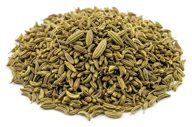
Ground cumin
  • Cumin seed

    Dry-roast briefly and grind finely; use equal weight (1:1). Imparts an even punchier, nuttier, toasty aroma than pre-ground cumin.

  • Ground coriander

    Use equal weight (1:1). Adds mild, lemony sweetness rather than cumin's smoky, earthy bite; curries will taste lighter and less savoury.

  • Black cumin seeds

    Grind finely; use 60% to 75% of the weight. Produces a darker, more complex, smoky-herbal flavour suited to rich gravies.

Ground coriander
  • Coriander seeds

    Dry-roast lightly in a pan and grind to a fine powder; use equal weight (1:1). Offers a noticeably fresher, brighter citrus note.

  • Ground cumin

    Use 50% to 75% of the weight. Lacks the floral, citrusy profile of coriander and turns the gravy heavier, earthier, and darker.

  • Garam masala

    Use 50% of the weight and stir in near the end of cooking. Adds warmth and depth since it contains ground coriander, but introduces stronger spices like clove and cinnamon.

Ground aniseed
  • Ground fennel seed

    Use the same weight; fennel is the closest everyday match, slightly sweeter and milder.

  • Aniseed

    Grind the same weight freshly; the aroma is stronger, so add it near the end.

  • Ground star anise

    Use about 50% of the weight; it is much more powerful and slightly liquorice-heavy.

Coconut, fresh or desiccated
  • Desiccated coconut

    If the recipe asks for fresh coconut, use about 65% of the weight. Soak in an equal weight of hot water for 10 minutes and use with the soaking water; the dish is slightly drier and more concentrated.

  • Fresh coconut

    If the recipe asks for desiccated coconut, use about 150% of the weight of fresh grated coconut. Squeeze and adjust the dish's water; it gives a wetter, milder result.

  • Coconut milk

    For gravies only, use about 150–200 ml thick coconut milk for 100 g grated coconut. Add late and do not boil hard; it gives richness but no grated texture.

Dried red chilli
  • Dried kashmiri chilli

    Use equal weight whole. Fry in hot oil or ghee as tempered spice; gives a richer red colour with slightly milder heat.

  • Red chilli powder

    Use 50% to 70% of the weight. Stir into the oil with ground spices; distributes heat evenly throughout the dish without whole chilli skins.

Ginger paste
  • Fresh ginger

    Use equal weight; peel and grate very finely on a microplane or pound to a fine paste in a mortar.

  • Ginger

    Use equal weight; mince finely and crush with the flat of a knife before frying.

  • Ground ginger

    Use 20% of the weight; add directly with the dry spice powders, though it yields an earthier, less pungent profile.

Garlic
  • Garlic paste

    Use equal weight. Fry gently in oil or ghee with the ginger; incorporates smoothly into curries without visible minced bits.

  • Garlic powder

    Use 15% to 20% of the weight (about 1 g for every 5 to 6 g fresh cloves). Whisk into sauces; gives a savoury, toasted garlic flavour without raw pungency.

  • Shallot

    Use 1.5 times the weight, very finely minced. Sauté until golden; provides savoury allium sweetness, though it lacks garlic's pungent sulphur bite.

Cassia bark
  • Ceylon cinnamon

    True cinnamon: thinner, papery quills, milder and sweeter. Use about 1.5 times the weight, and taste.

  • Ground cinnamon (cassia)

    Use about a third of the weight (0.5 g ground for a 2.5 cm piece), stirred in with the ground spices rather than fried whole, since the powder burns quickly.

  • Cassia buds

    Use 60-70% of the weight; stronger and more peppery, so taste before adding more.

Clove
  • Ground cloves

    Use 1 g ground for 4 g whole (or 1 small pinch per 2 to 3 whole cloves). Add with spice powders; disperses intense warmth quickly, so use with restraint.

  • Allspice berries

    Use 100% of the weight whole in tempering. Imparts a warm, clove-like aromatic profile combined with hints of nutmeg and cinnamon.


  • Black cardamom pod

    Use 1 pod for 3 to 4 cloves in whole tempering. Shares a camphor-like warmth and medicinal depth, though it introduces a distinct smoky undertone.

Ground cardamom
  • Cardamom seed

    Grind the same weight; remove the pods first for a cleaner, stronger powder.

  • Green cardamom pod seed

    Grind the same weight of the seeds from green pods; discard the husks for the best flavour.

  • Ground green cardamom

    Use the same weight; it is the same spice and works directly.

Vegetable oil
  • Peanut oil

    Use 1:1 by weight. Handles high-heat frying identically and introduces a very subtle, pleasant nuttiness.

  • Ghee

    Use 1:1 by weight. Yields a much richer, authentic aroma and a glossy, heavier mouthfeel.

  • Mustard oil

    Use 1:1 by weight. Heat until smoking, then cool slightly before cooking to temper its intensely pungent, sharp mustard kick.

Large onion
  • Onion

    Use the same weight, about 150–200 g per large onion; chop or slice as the recipe says.

  • Red onion

    Use the same weight; a little sharper, so cook it a few minutes longer to soften.

  • Shallot

    Use the same weight; sweeter and softer, and it cooks faster, so lower the heat slightly.

Bay leaf
  • Cinnamon stick

    Use a 2 cm piece (about 1 g) for every 1 to 2 bay leaves. Fry in whole-spice temperings; provides the cassia-like warmth typical of Indian tejpatta.

  • Ground cinnamon (cassia)

    Use 0.5 g per leaf. Stir into the sauce during simmering; gives the same warm woodiness but darkens the colour slightly.

Ground mace or nutmeg
  • Ground nutmeg

    Use the same weight; if the recipe means mace, nutmeg is slightly sweeter and stronger.

  • Ground mace

    Use the same weight; if the recipe means nutmeg, mace is softer and more delicate.

  • Nutmeg

    Grate the same weight fresh; it is more pungent and aromatic.

Similar dishes

Meen Biryani
Fish Biryani
Meen Biryani tastes richer and tangier from the tomato-yogurt gravy with sweet contrasts from dried fruit, compared to the lighter, savory coconut profile of this dish.
  • Same: Both are layered fish and rice dishes seasoned with turmeric, coriander, cinnamon, cloves, and lime juice.
  • Different: Meen Biryani is enriched with ghee, yogurt, tomatoes, onions, cashews, and raisins, whereas this dish uses vegetable oil, garlic, ginger paste, cumin, and coconut without dairy or tomatoes.
Ilish Maachher Pulao
Hilsa Pulao
It tastes richer, sweeter, and more buttery from the ghee and yogurt gravy, lacking the tart lime acidity and earthy cumin-coriander notes of this dish.
  • Same: Both are layered fish pulaos seasoned with ginger, garlic, cinnamon, cloves, and bay leaf.
  • Different: Ilish Maachher Pulao uses hilsa fish braised in yogurt, onions, and ghee, omitting this dish's pomfret, lime juice, vegetable oil, cumin, coriander, and turmeric.
Taleli Masala Boomla
Fried Spiced Bombay Duck
Taleli Masala Boomla has a crunchy savoury crust and moist flaky fish with ginger-chilli heat and earthy fenugreek, while this dish is fragrant rice with gentle chilli heat, tart lime and sweet whole aromatics.
  • Same: Taleli Masala Boomla shares fish, lime, turmeric, cumin, coriander, red chilli, ginger, garlic and warm spices with this dish.
  • Different: It is a shallow-fried stuffed fish with rice flour and sesame oil, not a layered rice dish with coconut and vegetable oil. It adds fenugreek, green chilli and black pepper, and it lacks rice, coconut, onion, aniseed and mace.
Mahi Pulao
Fish Pulao
Mahi Pulao is richer, milder, and more buttery from the ghee and browned onions, lacking the tart citrus edge and earthy turmeric-cumin notes of this dish.
  • Same: Both are layered fish and rice preparations flavored with ginger, garlic, cloves, and ground coriander.
  • Different: Mahi Pulao uses ghee, a large base of onions, and plain yogurt for dum-style steaming under a dough seal, whereas this dish cooks in vegetable oil and relies on lime juice, turmeric, cumin, cinnamon, and bay leaf without yogurt.