Indian cooking
Indian cooking / Dishes / Ilish Maachher Pulao
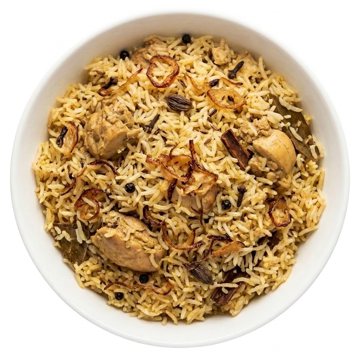
Ilish Maachher Pulao (Hilsa Pulao)

Ilish Maachher Pulao

Hilsa Pulao
Non-vegetarianOrigin West BengalPrep 35 minutes, plus drying and marinating timeCook 40 minutes

A fragrant Bengali layered rice dish where rich hilsa fish is gently braised in an aromatic yogurt gravy and steamed with spiced basmati rice. It has a delicate, savoury richness with warming notes of whole sweet spices and ghee.

Whole spices for the ghee

5 gFried in the hot ghee (step 4)
02
0.3 g4 cloves
spice
04
2 g4 leaves
spice
Keep whole: they go into the hot ghee together.

Everything else

01
750 g
grain
02
12 g1 piece
aromatic
03
300 g2 onions
vegetable
04
18 g6 cloves
aromatic
05
355 g350 ml
dairy
06
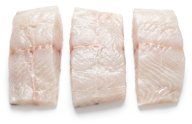
Hilsa or firm fish fillet · Ilishcut into 1-cm / ½-inch thick steaks
800 g
fish
07
250 g
oil/fat
08
776 g750 ml
dairy
09
13 g3 teaspoons
sweetener
10
Butter · Makhanfor greasing
to taste
dairy
11
to taste
salt

Method

  1. Spread 750 g basmati rice over a clean dish towel and leave it to air-dry until partially dry.
  2. Blend 12 g ginger, 300 g onion and 18 g garlic together, drizzling in a splash of water if needed, to form a smooth paste. Transfer the paste to a wide bowl, stir in half of the 355 g plain yogurt and salt to taste. Coat 800 g fish steaks completely in the mixture, cover, and refrigerate for 1 hour.
  3. If you plan to finish the dish in the oven, preheat it to 150°C / 300°F.
  4. Heat 250 g ghee in a large, heavy-based pot over high heat until very hot. Drop the heat, tip in the whole spices for the ghee, and stir-fry for 1 minute. Slide in the fish along with all the marinade and fry for 3 minutes. Pour in 125 ml hot water, adjust the heat to medium-high, and cook for 7 minutes until the liquid boils away and the fish is done. Gently lift the fish steaks out and set them aside, leaving the seasoned sauce in the pot.
  5. Add the semi-dried rice directly into the remaining sauce in the pot. Fry over high heat for a few minutes until the grains shift colour, then pour in 750 ml hot water, 750 g milk, 12.6 g granulated sugar and salt to taste. Stir, bring to a boil, then turn the heat down low, cover, and cook for 10–12 minutes until the rice is nearly tender.
  6. Spoon the rice out into a bowl. Grease the pot thoroughly with butter. Layer the pot with alternating strata of rice and fish, starting and finishing with a layer of rice.
  7. Lightly beat the remaining plain yogurt and drizzle it over the top layer of rice, then seal the pot with a tight lid.
  8. Place a flat tawa or griddle over high heat, then lower the flame. Set the lidded pot on top of the griddle and steam on gentle heat for 15 minutes, or alternatively place the pot in the preheated oven for 15 minutes.

Don't have something?

Basmati rice
  • Plain boiled rice

    Use 2.5 times the weight if substituting pre-cooked rice. Fold in gently at the end of the recipe; grains will be shorter and less fragrant.

Ginger
  • Fresh ginger

    Use equal weight; scrape off the skin and grate or finely julienne according to the recipe.

  • Ginger paste

    Use equal weight; stir straight into the sizzling aromatics, taking care as the extra moisture may spit.

  • Ground ginger

    Use 15 to 20% of the weight; add alongside ground spices, noting it imparts warm, dry heat rather than zesty freshness.

Onion
  • Shallot

    Use equal weight, finely sliced. Shallots soften and brown faster, giving a slightly sweeter and more delicate base to curries.

  • Cabbage

    Use 80% of the weight, finely shredded and browned slowly with a pinch of asafoetida. Replicates the bulk and natural sweetness in gravies without allium.

Garlic
  • Garlic paste

    Use equal weight. Fry gently in oil or ghee with the ginger; incorporates smoothly into curries without visible minced bits.

  • Garlic powder

    Use 15% to 20% of the weight (about 1 g for every 5 to 6 g fresh cloves). Whisk into sauces; gives a savoury, toasted garlic flavour without raw pungency.

  • Shallot

    Use 1.5 times the weight, very finely minced. Sauté until golden; provides savoury allium sweetness, though it lacks garlic's pungent sulphur bite.

Plain yogurt
  • Yogurt

    Use equal weight, whisked thoroughly until smooth before adding to hot dishes to prevent curdling.

  • Coconut milk

    Use equal weight with 1 teaspoon lemon juice mixed in. Provides rich creaminess in curries, but adds a noticeable coconut flavour.

  • Single cream

    Use 80% of the weight plus a squeeze of lemon juice for acidity. Enriches sauces nicely, though it is richer and less tangy.

Hilsa or firm fish fillet
  • Kingfish or mackerel fillet

    Use the same weight. Mackerel comes closest to hilsa's oily richness; simmer 2–3 minutes less so it does not break up.

  • Firm white fish fillet

    Use the same weight. It is leaner and milder, so the curry will taste less rich; add it later and cook gently for 5–7 minutes.

  • Pomfret

    Use the same weight. It is delicate and sweet; keep the simmer gentle and shorten cooking by a few minutes.

Ghee
  • Unsalted butter

    Use 120% of the weight; melt gently over low heat to avoid burning the milk solids, which will yield a softer, creamier richness rather than a nutty aroma.

  • Vegetable oil

    Use 85% of the weight; holds high cooking temperatures without smoking, but the final dish will lack traditional dairy depth.

  • Mustard oil

    Use equal weight; heat to smoking point and cool slightly before cooking, bearing in mind it introduces an assertive, pungent edge.

Green cardamom pod
  • Green cardamom seed

    Use 35 to 40% of the total pod weight; lightly bruise the seeds before frying in oil to release their essential oils.

  • Ground green cardamom

    Use 20 to 25% of the pod weight (about 1 generous pinch per pod); stir in toward the end of cooking so the delicate floral notes do not dissipate.

  • White cardamom pod

    Use 1:1 by pod count or weight; crack gently before using, though it is slightly less intensely floral.

Clove
  • Ground cloves

    Use 1 g ground for 4 g whole (or 1 small pinch per 2 to 3 whole cloves). Add with spice powders; disperses intense warmth quickly, so use with restraint.

  • Allspice berries

    Use 100% of the weight whole in tempering. Imparts a warm, clove-like aromatic profile combined with hints of nutmeg and cinnamon.

  • Black cardamom pod

    Use 1 pod for 3 to 4 cloves in whole tempering. Shares a camphor-like warmth and medicinal depth, though it introduces a distinct smoky undertone.

Cassia bark
  • Ceylon cinnamon

    True cinnamon: thinner, papery quills, milder and sweeter. Use about 1.5 times the weight, and taste.

  • Ground cinnamon (cassia)

    Use about a third of the weight (0.5 g ground for a 2.5 cm piece), stirred in with the ground spices rather than fried whole, since the powder burns quickly.


  • Cassia buds

    Use 60-70% of the weight; stronger and more peppery, so taste before adding more.

Bay leaf
  • Cinnamon stick

    Use a 2 cm piece (about 1 g) for every 1 to 2 bay leaves. Fry in whole-spice temperings; provides the cassia-like warmth typical of Indian tejpatta.

  • Ground cinnamon (cassia)

    Use 0.5 g per leaf. Stir into the sauce during simmering; gives the same warm woodiness but darkens the colour slightly.

Milk
  • Whole milk

    Use equal weight; provides the standard rich dairy fat and body expected in creamy Indian bases.

  • Single cream

    Dilute 3 parts cream with 1 part water to match the weight; yields a richer, glossier gravy that resists curdling.

  • Plain yogurt

    Whisk thoroughly and use equal weight; adds extra body and a mild pleasant acidity, best added off the heat.

Granulated sugar
  • Jaggery

    Use equal weight; grate or shave finely so it dissolves rapidly, giving a warm, caramel-like sweetness and slightly darker sauce.

Butter
  • Unsalted butter

    Use 100% of the weight. If the original recipe relies on salted table butter, add a pinch of salt to balance.

  • Ghee

    Use 80% to 85% of the weight. Ghee is pure butterfat with moisture removed; it yields a deeper, nuttier flavour and handles high heat better.

  • Vegetable oil

    Use 80% of the weight for frying or tempering. The dish loses sweet dairy richness but remains glossy and light.

Similar dishes

Mahi Pulao
Fish Pulao
Mahi Pulao has a purely savory, earthy profile from the coriander, lacking the gentle sweetness and warming cinnamon notes found in this dish.
  • Same: Mahi Pulao is also a layered fish and basmati rice dish cooked with plain yogurt, ghee, onions, ginger, garlic, cloves, and green cardamom.
  • Different: Mahi Pulao adds ground coriander and uses dough to seal the pot for steaming, but it lacks the cinnamon, bay leaves, butter, and sugar used in this dish.
Meen Biryani
Fish Biryani
Meen Biryani has a tarter, noticeably spicier taste from the lime juice, tomatoes, and chilli powder, whereas this dish is richer in ghee, milder, and gently sweet.
  • Same: Like this dish, Meen Biryani layers spiced fish with basmati rice using ghee, plain yogurt, onions, cinnamon, and cloves.
  • Different: Meen Biryani incorporates tomatoes, lime juice, chilli powder, coriander, turmeric, and raisins, but leaves out this dish's ginger, garlic, cardamom, bay leaves, and butter.
Bhagara Bhaath
Fried Savoury Rice
It has a simple, savoury, spiced ghee flavour, lacking the rich seafood depth, tangy dairy acidity, and mild sweetness of this dish.
  • Same: Bhagara Bhaath also steams basmati rice cooked in ghee with onions, ginger, garlic, green cardamom, cinnamon, and cloves.
  • Different: It is a vegetarian rice dish that omits the braised hilsa fish, yogurt gravy, bay leaves, sugar, and butter used in this layered pulao.
Murg Pulao
Chicken Pulao
Murg Pulao tastes peppery and savoury from chicken broth and whole spices, while this dish tastes delicately rich with yogurt, milk, sugar, and fish.
  • Same: Murg Pulao shares basmati rice, ghee, onion, ginger, garlic, yogurt, and whole spices such as bay leaf, cinnamon, clove, and green cardamom with this dish.
  • Different: Murg Pulao uses chicken, black cardamom, black peppercorn, cumin seed, and ground coriander and cooks in poultry broth, while this dish uses hilsa fish, milk, sugar, and butter and has much more yogurt.