Indian cooking
Indian cooking / Dishes / Meen Biryani
Meen Biryani (Fish Biryani)

Meen Biryani

Fish Biryani
Non-vegetarian●●●Origin KeralaPrep 35 minutes, plus standing timeCook 35 minutes

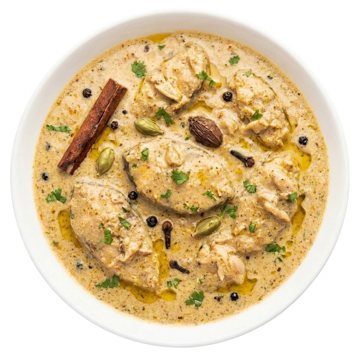
A fragrant South Indian layered rice dish combining tender spiced fish in a rich tomato and yogurt sauce with golden fried cashews and raisins. It offers a delicate balance of warm whole spices, gentle heat, and tangy citrus notes.

sauce masala

22 gFried with the onions (step 4)
01
12 g4 teaspoons
spice
03
1.8 g1 teaspoon
spice
04
2.6 g2 pieces
spice
05
0.3–0.4 g4–6 cloves
spice
Leave the cinnamon stick and cloves whole and combine them with the ground spices.

Everything else

01
500 g
fish
02
259 g250 ml
souring agent
03
125 g
oil/fat
04
1000 g
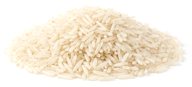
grain
05
18 g2 tablespoons
fruit
06
18 g2 tablespoons
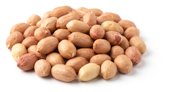
nut/seed
07
450 g3 onions
vegetable
08
240 g2 tomatoes
vegetable
09
254 g250 ml
dairy
10
to taste
salt

Method

  1. Place 500 g fish in a shallow dish, rub thoroughly with 259 g lime juice and a pinch of salt to taste, then cover and chill in the refrigerator for 45 minutes.
  2. Melt 15 g of the 125 g ghee in a large heavy pot over medium heat, add 1000 g basmati rice, and toast for 10 minutes, stirring gently. Season with salt, pour in 1 litre of hot water, bring to a boil, then turn the heat to low, cover, and steam for 15 minutes until the liquid is fully absorbed.
  3. Warm 60 g of the ghee in a frying pan over medium-low heat. Add 2 tablespoon raisin and fry for 1 minute until puffed, then transfer to a plate using a slotted spoon; add 2 tablespoon cashew nuts to the same fat, fry for 1 minute until browned, and set aside with the raisins.
  4. Add 450 g onion to the hot pan and fry over medium heat for 5 to 7 minutes until golden brown. Lower the heat, add the sauce masala along with 20 ml (4 tsp) water, and stir continuously for 2 minutes.
  5. Add the marinated fish and salt to taste, gently frying for 5 minutes. Stir in 250 ml water, bring to a boil, then mix in 240 g tomato. Reduce the heat to low, stir in 254 g plain yogurt, and simmer gently for 5 minutes until the sauce thickens.
  6. Coat the interior of a heavy-bottomed pan with a little of the remaining ghee. Layer the fish and sauce across the bottom, add a layer of cooked rice, and scatter over some fried raisins and nuts. Repeat the layers until all ingredients are used, finishing with nuts and raisins on top. Cover tightly and heat over very low heat (or over a hot griddle plate) for 5 minutes to steam through.

Don't have something?

Firm white fish fillet
  • Firm white fish

    Use the same weight, clean and cut into fillet-sized pieces. Cooking time is the same; remove any bones.

  • Firm fish fillet

    Use the same weight. Check thickness; thick pieces may need 2–3 minutes more simmering.

  • Skinless firm white fish fillet

    Use the same weight. Skinless flakes more; handle gently and add late.

Ground turmeric
  • Ground ginger

    Use 50% of the weight. Mimics turmeric's warm, earthy, rhizome background, but provides none of the golden-yellow colour.

  • Saffron

    Steep a tiny pinch (0.1 g per 2 g turmeric) in 2 tbsp warm water; use to match the rich golden hue. Contributes an aristocratic, honeyed floral flavour rather than earthy bitterness.

Lime juice
  • Lemon juice

    Use equal volume or weight; slightly sweeter and less pungent, but otherwise an imperceptible swap.

  • Dried mango powder

    Use 25% of the weight; imparts dry, fruity sourness, best stirred in right at the end of cooking.

  • Tamarind extract

    Use 50% of the weight; delivers pleasant fruity tang but turns pale sauces considerably darker.

Ghee
  • Unsalted butter

    Use 120% of the weight; melt gently over low heat to avoid burning the milk solids, which will yield a softer, creamier richness rather than a nutty aroma.

  • Vegetable oil

    Use 85% of the weight; holds high cooking temperatures without smoking, but the final dish will lack traditional dairy depth.

  • Mustard oil

    Use equal weight; heat to smoking point and cool slightly before cooking, bearing in mind it introduces an assertive, pungent edge.

Basmati rice
  • Plain boiled rice

    Use 2.5 times the weight if substituting pre-cooked rice. Fold in gently at the end of the recipe; grains will be shorter and less fragrant.

Raisin
  • Dried plum

    Use equal weight, pitted and finely chopped. Lends a deeper, slightly more tart sweetness to curries and rice dishes.

  • Cashew nut

    Use equal weight. Fry lightly in ghee until golden; substitutes the burst of sweetness with a rich, buttery crunch.

  • Jaggery

    Use 30% of the weight, finely grated. Dissolve straight into the sauce to match the intended sweetness, though without the fruity chew.

Cashew nut
  • Almond

    Use 100% of the weight. Soak in boiling water and slip off skins before frying or grinding; gives a lighter, slightly less sweet richness to curries.

  • Poppy seed

    Use 60% of the weight for gravies. Soak in warm water and grind into a fine paste to thicken royal kormas without adding heavy oiliness.

  • Shelled peanut

    Use 100% of the weight. Roast, skin, and grind; creates a thicker, earthier texture typical of Maharashtrian and western Indian curries.

Onion
  • Shallot

    Use equal weight, finely sliced. Shallots soften and brown faster, giving a slightly sweeter and more delicate base to curries.

  • Cabbage

    Use 80% of the weight, finely shredded and browned slowly with a pinch of asafoetida. Replicates the bulk and natural sweetness in gravies without allium.

Chilli powder
  • Red chilli powder

    Use 100% of the weight. Provides direct, sharp heat and red colour in equal measure.

  • Kashmiri chilli powder

    Use 150% to 200% of the weight if matching colour, but add a pinch of black pepper or hot chilli if you need equivalent fiery heat.

  • Cayenne pepper

    Use 75% to 100% of the weight. Offers a sharp, clean heat with slightly less earthy depth and less crimson colour.

Ground coriander
  • Coriander seeds

    Dry-roast lightly in a pan and grind to a fine powder; use equal weight (1:1). Offers a noticeably fresher, brighter citrus note.

  • Ground cumin

    Use 50% to 75% of the weight. Lacks the floral, citrusy profile of coriander and turns the gravy heavier, earthier, and darker.

  • Garam masala

    Use 50% of the weight and stir in near the end of cooking. Adds warmth and depth since it contains ground coriander, but introduces stronger spices like clove and cinnamon.

Cassia bark
  • Ceylon cinnamon

    True cinnamon: thinner, papery quills, milder and sweeter. Use about 1.5 times the weight, and taste.

  • Ground cinnamon (cassia)

    Use about a third of the weight (0.5 g ground for a 2.5 cm piece), stirred in with the ground spices rather than fried whole, since the powder burns quickly.

  • Cassia buds

    Use 60-70% of the weight; stronger and more peppery, so taste before adding more.

Clove
  • Ground cloves

    Use 1 g ground for 4 g whole (or 1 small pinch per 2 to 3 whole cloves). Add with spice powders; disperses intense warmth quickly, so use with restraint.

  • Allspice berries

    Use 100% of the weight whole in tempering. Imparts a warm, clove-like aromatic profile combined with hints of nutmeg and cinnamon.

  • Black cardamom pod

    Use 1 pod for 3 to 4 cloves in whole tempering. Shares a camphor-like warmth and medicinal depth, though it introduces a distinct smoky undertone.

Tomato
  • Tomato purée

    Use 40% to 50% of the fresh tomato weight mixed with a splash of water. Imparts a deeper red colour, thicker sauce, and slightly sweeter cooked flavour.


  • Plain yogurt

    Use 60% of the weight, whisked smooth and added on low heat. Provides rich body and sourness, though the gravy becomes paler and creamier.

Plain yogurt
  • Yogurt

    Use equal weight, whisked thoroughly until smooth before adding to hot dishes to prevent curdling.

  • Coconut milk

    Use equal weight with 1 teaspoon lemon juice mixed in. Provides rich creaminess in curries, but adds a noticeable coconut flavour.

  • Single cream

    Use 80% of the weight plus a squeeze of lemon juice for acidity. Enriches sauces nicely, though it is richer and less tangy.

Similar dishes

Mahi Pulao
Fish Pulao
Mahi Pulao has a milder, cardamom-forward profile without the sharp citrus tang, tomato richness, or chilli heat found in this dish.
  • Same: Like this dish, Mahi Pulao layers fish and basmati rice cooked in ghee with sliced onions, yogurt, and whole cloves.
  • Different: Mahi Pulao incorporates fresh ginger, garlic, green cardamom, and a dough seal for steaming, but omits this dish's tomatoes, lime juice, turmeric, chilli powder, cinnamon, and raisins.
Ilish Maachher Pulao
Hilsa Pulao
Ilish Maachher Pulao has a richer, milder, and subtly sweeter flavor profile, lacking the bright citrus tang, tomato acidity, and chili heat of this dish.
  • Same: Both are layered basmati rice and fish dishes cooked with ghee, onions, yogurt, and whole spices like cinnamon and cloves.
  • Different: Ilish Maachher Pulao adds ginger, garlic, cardamom, and bay leaves, but omits the tomatoes, lime juice, turmeric, chili powder, and raisins found in this dish.
Machhali ka Salan
Curried Fish from Hyderabad
Machhali ka Salan tastes like a light, gently spiced coconut-milk curry with a tamarind tang. This dish tastes like fragrant layered rice with tangy lime and yogurt notes, warm whole spices, and sweet fried cashews and raisins.
  • Same: Machhali ka Salan shares firm white fish, turmeric, chilli powder, ground coriander, onion, and tomato with this dish. Both are spiced South Indian fish dishes built on a tomato-onion base.
  • Different: Machhali ka Salan is a curry with coconut milk, tamarind, ginger paste, garlic paste, dried red chilli, and vegetable oil, and it lacks basmati rice, ghee, yogurt, lime juice, raisins, cashews, cinnamon, and clove. This dish is a layered rice biryani with yogurt and lime juice, while Machhali ka Salan is a saucy fish curry.
Dahi ki Machhali
Fish Cooked in Yoghurt Sauce
Dahi ki Machhali tastes more predominantly of tangy yogurt and pungent cardamom, without the buttery richness, citrus tartness, and sweet raisin notes of this dish.
  • Same: Both dishes cook fish using onions, yogurt, turmeric, chilli powder, ground coriander, cinnamon, and cloves.
  • Different: Dahi ki Machhali is a simmered curry prepared in vegetable oil with ginger, garlic, cardamoms, and black peppercorns, omitting this dish's basmati rice, ghee, tomatoes, lime juice, and raisins.