Indian cooking
Indian cooking / Dishes / Taleli Masala Boomla
Taleli Masala Boomla (Fried Spiced Bombay Duck)

Taleli Masala Boomla

Fried Spiced Bombay Duck
Non-vegetarian●●●Origin CoastalPrep 40 minutes, plus marinating timeCook 15–20 minutes

Crisp shallow-fried Bombay duck fish stuffed with earthy spices and coated in a vibrant, ginger-chilli marinade. It features a crunchy, savoury crust with moist and flaky fish within.

Cavity rub spices

4.2 gRubbed inside the fish cavities (step 2)
01
1.6 g½ teaspoon
spice
02
2.6 g1 teaspoon
spice
Mix together until uniformly blended.

Paste spices

21 gBlended with aromatics into the spice paste (step 3)
01
3 g1 teaspoon
spice
03
2.6 g1 teaspoon
spice
04
3.6 g2 teaspoons
spice
05
3.7 g1 teaspoon
spice
06
2.6 g1 piece
spice
07
0.1–0.2 g2–3 cloves
spice
Add directly to the blender with the fresh ingredients.

Everything else

02
100 g2 limes
fruit
03
to taste
flour
04
Sesame oil · Til ka Telfor shallow-frying
to taste
oil/fat
05
to taste
salt
06
24 g4 chillies
vegetable
07
Ginger · Adrak5-cm / 2-inch, peeled
24 g1 piece
aromatic
08
18 g6 cloves
aromatic

Method

  1. Prepare the 8 fish: remove the heads, fins, and the bone extending along the tail, then slice along the belly without piercing through the outer skin, empty the cavity, and rinse clean under cold running water.
  2. Combine the cavity rub spices and rub the mixture thoroughly inside each fish belly, then lay them flat in shallow dishes.
  3. Put 24 g chopped green chilli, 24 g ginger, 18 g garlic, 0.5 teaspoon seasoning, and the paste spices into a blender or food processor, blending until a completely smooth paste forms.
  4. Combine the paste with the juice of 2 limes and season with salt to taste. Spread this marinade evenly over the fish, cover, and place in the fridge for 30 minutes.
  5. Scatter rice flour onto a wide plate and turn the marinated fish in it to coat evenly on all sides.
  6. Pour shallow-frying oil into a large skillet over medium heat, then reduce the flame to low-medium. Fry the coated fish in batches for 2 to 3 minutes on each side until thoroughly crisp.

Don't have something?

Bombay duck
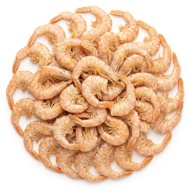
  • Dried prawn

    If the recipe uses dried Bombay duck, use about half the weight of dried prawn; rinse, pat dry and fry briefly, as the flavour is much stronger and saltier.

  • White fish fillet

    If using fresh Bombay duck, use same weight of white fish fillet, cut into pieces and simmer for only 5 minutes so it does not break up.

Ground fenugreek
  • Fenugreek seeds

    Grind whole seeds finely in a spice grinder; use equal weight (1:1). Ensure it cooks through gently, as undercooked or burnt ground seeds become intensely bitter.

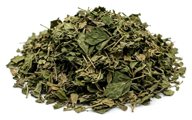
  • Dried fenugreek leaves

    Crush dried leaves between your palms and add towards the end; use 50% of the weight. Gives the unmistakable maple-herb aroma without the sharp bitterness of the seeds.

  • Yellow mustard seeds

    Grind finely; use 50% of the weight. Adds an earthy, sharp bite, though it lacks the distinctive sweet-curry smell.

Ground cumin
  • Cumin seed

    Dry-roast briefly and grind finely; use equal weight (1:1). Imparts an even punchier, nuttier, toasty aroma than pre-ground cumin.

  • Ground coriander

    Use equal weight (1:1). Adds mild, lemony sweetness rather than cumin's smoky, earthy bite; curries will taste lighter and less savoury.

  • Black cumin seeds

    Grind finely; use 60% to 75% of the weight. Produces a darker, more complex, smoky-herbal flavour suited to rich gravies.

Lime
  • Lemon

    Use the same weight; sharper and less floral, so reduce any extra souring slightly.

  • Lemon juice

    Use about 30 g juice per lime (2 tbsp), strain pips; add at the end for fresh sourness.

  • Dried mango powder

    Use 1 g amchoor for about 15 g lime juice; add early with spices; gives dry mango sourness, not citrus aroma.

Rice flour
  • Cornflour

    Use about 60–70% of the weight for thickening; for coatings use the same weight but the crust is denser.

  • Plain flour

    Use the same weight for coatings; contains gluten, browns faster and is less crisp.

  • Fine semolina

    Use the same weight for crisp coatings; coarser texture and needs a short rest.

Sesame oil
  • Mustard oil

    Use the same weight. Heat until smoking, then cool for 2 minutes before cooking; it is pungent and changes the flavour strongly.

  • Groundnut oil

    Use the same weight. It is neutral, so add 1 tsp toasted sesame seeds for aroma.

  • Vegetable oil

    Use the same weight. It is neutral and lacks sesame flavour; finish with a few drops of toasted sesame oil if you have it.

Green chilli
  • Chilli powder

    Use 10 to 15% of the weight (about 1/4 teaspoon per chilli); imparts dry pungent heat and reddens the dish without the grassy crunch.

  • Dried red chilli

    Use 1 dried pod per fresh green chilli; snap in half and temper in hot oil for a deeper, toastier heat.

Ginger
  • Fresh ginger

    Use equal weight; scrape off the skin and grate or finely julienne according to the recipe.

  • Ginger paste

    Use equal weight; stir straight into the sizzling aromatics, taking care as the extra moisture may spit.

  • Ground ginger

    Use 15 to 20% of the weight; add alongside ground spices, noting it imparts warm, dry heat rather than zesty freshness.

Garlic
  • Garlic paste

    Use equal weight. Fry gently in oil or ghee with the ginger; incorporates smoothly into curries without visible minced bits.

  • Garlic powder

    Use 15% to 20% of the weight (about 1 g for every 5 to 6 g fresh cloves). Whisk into sauces; gives a savoury, toasted garlic flavour without raw pungency.

  • Shallot

    Use 1.5 times the weight, very finely minced. Sauté until golden; provides savoury allium sweetness, though it lacks garlic's pungent sulphur bite.

Ground turmeric
  • Ground ginger

    Use 50% of the weight. Mimics turmeric's warm, earthy, rhizome background, but provides none of the golden-yellow colour.

  • Saffron

    Steep a tiny pinch (0.1 g per 2 g turmeric) in 2 tbsp warm water; use to match the rich golden hue. Contributes an aristocratic, honeyed floral flavour rather than earthy bitterness.

Dried red chilli
  • Dried kashmiri chilli

    Use equal weight whole. Fry in hot oil or ghee as tempered spice; gives a richer red colour with slightly milder heat.

  • Red chilli powder

    Use 50% to 70% of the weight. Stir into the oil with ground spices; distributes heat evenly throughout the dish without whole chilli skins.

Ground coriander
  • Coriander seeds

    Dry-roast lightly in a pan and grind to a fine powder; use equal weight (1:1). Offers a noticeably fresher, brighter citrus note.

  • Ground cumin

    Use 50% to 75% of the weight. Lacks the floral, citrusy profile of coriander and turns the gravy heavier, earthier, and darker.

  • Garam masala

    Use 50% of the weight and stir in near the end of cooking. Adds warmth and depth since it contains ground coriander, but introduces stronger spices like clove and cinnamon.

Fenugreek seed
  • Mustard seed

    Use 50% of the weight, crush or grind. Sharper heat and less maple-bitter; fry briefly in oil before adding.

  • Caraway seeds

    Use the same weight, crush lightly. Similar bitter-seed note but more aniseed; reduce other sweet spices slightly.

  • Ajwain seeds

    Use 25–30% of the weight, crush. Much stronger thyme-like flavour; do not overdo.

Cassia bark
  • Ceylon cinnamon

    True cinnamon: thinner, papery quills, milder and sweeter. Use about 1.5 times the weight, and taste.

  • Ground cinnamon (cassia)

    Use about a third of the weight (0.5 g ground for a 2.5 cm piece), stirred in with the ground spices rather than fried whole, since the powder burns quickly.

  • Cassia buds

    Use 60-70% of the weight; stronger and more peppery, so taste before adding more.

Clove
  • Ground cloves

    Use 1 g ground for 4 g whole (or 1 small pinch per 2 to 3 whole cloves). Add with spice powders; disperses intense warmth quickly, so use with restraint.

  • Allspice berries

    Use 100% of the weight whole in tempering. Imparts a warm, clove-like aromatic profile combined with hints of nutmeg and cinnamon.


  • Black cardamom pod

    Use 1 pod for 3 to 4 cloves in whole tempering. Shares a camphor-like warmth and medicinal depth, though it introduces a distinct smoky undertone.

Green cardamom pod
  • Green cardamom seed

    Use 35 to 40% of the total pod weight; lightly bruise the seeds before frying in oil to release their essential oils.

  • Ground green cardamom

    Use 20 to 25% of the pod weight (about 1 generous pinch per pod); stir in toward the end of cooking so the delicate floral notes do not dissipate.

  • White cardamom pod

    Use 1:1 by pod count or weight; crack gently before using, though it is slightly less intensely floral.

Black peppercorn
  • Coarsely ground black pepper

    Use 75% of the weight. Add midway through simmering; spreads heat evenly through the dish instead of delivering isolated bursts.

  • Ground black pepper

    Use 50% of the weight. Stir in near the end of cooking; significantly darkens light gravies and provides an immediate, sharp bite.

Similar dishes

Vatticha Mathi Kari
Spicy Sardines
Vatticha Mathi Kari is saucy, fiery, and distinctly sour from cambodge, while this dish offers a dry, crunchy texture with warm, earthy undertones.
  • Same: Both recipes feature fish seasoned with ginger, garlic, turmeric, dried red chillies, coriander, and fenugreek.
  • Different: Vatticha Mathi Kari simmers sardines into a curry with vegetable oil, onions, curry leaves, black pepper, and sour cambodge, whereas this dish shallow-fries Bombay duck seasoned with green chillies, cinnamon, cardamom, and cloves.
Dahi ki Machhali
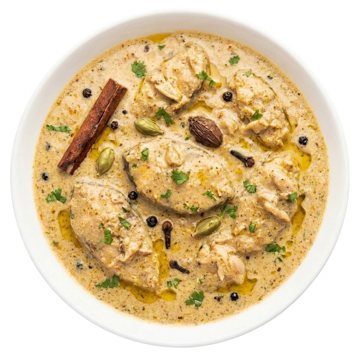
Fish Cooked in Yoghurt Sauce
Dahi ki Machhali tastes tangy, velvety and mildly spiced from yogurt and cardamom, while this dish tastes crisp, savoury and hotter with lime and chilli.
  • Same: Dahi ki Machhali shares turmeric, ginger, garlic, cinnamon, clove, green cardamom, black peppercorn, coriander and chilli with this dish.
  • Different: Dahi ki Machhali simmers firm white fish fillets in a yogurt and onion gravy with vegetable oil, while this dish shallow-fries Bombay duck in rice flour and sesame oil with lime, fenugreek and fresh green chilli.
Kala Saranga
Black Pomfret
Kala Saranga tastes tangy from lime and tamarind with a mild sweetness and warm spice, whereas this dish tastes crunchy, savoury and chilli-ginger hot with flaky fish inside.
  • Same: Kala Saranga shares fish, lime and turmeric with this dish, and both use warm spices such as cumin, clove, cardamom, black peppercorn and cinnamon.
  • Different: Kala Saranga uses whole black pomfret with tamarind, aniseed, cumin seed, sugar and a banana-leaf parcel, while this dish uses Bombay duck with rice flour, sesame oil, green chilli, ginger, garlic and fenugreek and is shallow-fried.
Sarangyacha Pulao
Pomfret Pulao
It tastes milder, fragrant, and citrusy from the lime juice, lacking the fiery chilli heat, bitter fenugreek, and crunchy fried exterior of this dish.
  • Same: Sarangyacha Pulao also features fish seasoned with ginger, garlic, turmeric, cumin, coriander, cinnamon, and cloves.
  • Different: Instead of shallow-frying fenugreek-spiced Bombay duck, it cooks pomfret into a rice dish using bay leaves, lime juice, and vegetable oil.