
Rava Sevai Idli
These savoury South Indian steamed dumplings feature toasted vermicelli and semolina studded with crunchy lentils, nuts, and fresh green chillies.
Tempering seeds
1.6 gFried with the lentils in ghee (step 1)Ginger paste
2.6 gStir-fried with the vermicelli and semolina (step 2)Everything else

Method
- Warm 39.6 g ghee in a frying pan over medium heat. Add 2.1 g chana dal, 2.1 g urad dal, and the tempering seeds, frying for roughly 1 minute until the lentils turn deep golden-brown, then transfer to a large mixing bowl.
- Heat 13.5 g vegetable oil in a wide pan and stir-fry 300 g onion, 5 chopped cashew nuts, and 24 g green chilli for 2 minutes. Stir in the ginger paste, 60 g vermicelli, and 200 g semolina, cooking for an additional 2 minutes.
- Take the pan off the heat and thoroughly mix in 177 g plain yogurt, 0.5 teaspoon bicarbonate of soda, 50 g coriander leaf, the juice of 0.5 lime, and salt to taste. Combine this mixture with the browned lentils in the bowl and let the batter rest for 30 minutes.
- Lightly grease idli moulds or small ramekins with a drop of vegetable oil and ladle in the batter. Steam for 8–10 minutes (leaving the whistle off if using a pressure cooker) until a skewer inserted into the centre comes out clean, then let stand for 1–2 minutes before turning out.
Don't have something?


 Unsalted butter
Use 120% of the weight; melt gently over low heat to avoid burning the milk solids, which will yield a softer, creamier richness rather than a nutty aroma.
 Vegetable oil
Use 85% of the weight; holds high cooking temperatures without smoking, but the final dish will lack traditional dairy depth.
 Mustard oil
Use equal weight; heat to smoking point and cool slightly before cooking, bearing in mind it introduces an assertive, pungent edge.


 Yellow split peas
Use 100% of the weight. Soak for at least 1 hour; takes about 10 minutes longer to cook through and has a marginally earthier flavour.
 Pigeon peas
Use 100% of the weight. Reduces cooking time by about 10 minutes and breaks down softer, giving a smoother consistency rather than distinct grains.
 Black gram
For tempering or tadka only: use 70% of the weight. Browns faster in hot oil, providing a nutty, crunchy bite.


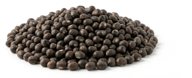 Whole black gram
Use equal weight. Needs longer soaking and cooking; the dark skins impart an earthy flavour and greyish-black hue unless thoroughly rubbed off.
- Chana dal
Use equal weight when tempering (tadka). Provides a comparable nutty, crunchy texture in hot oil, though grains are slightly larger.
 Split mung beans
Use equal weight for batters or dals. Ferments and cooks faster, producing a lighter, less sticky, and less viscous consistency.


 Black mustard seed
Use the same weight. The seeds are smaller and hotter; fry in hot oil until they pop, about 20–30 seconds, and reduce the heat if they darken too fast. The dish will be a little sharper.
 Yellow mustard seeds
Use the same weight. They are milder and larger; fry a few seconds longer until they pop. The finished dish will have less pungency.
 Ground mustard seed
Use 70% of the weight of whole seed, added with the other ground spices rather than fried whole. You lose the popping texture and the heat comes through more evenly.


 Peanut oil
Use 1:1 by weight. Handles high-heat frying identically and introduces a very subtle, pleasant nuttiness.
- Ghee
Use 1:1 by weight. Yields a much richer, authentic aroma and a glossy, heavier mouthfeel.
- Mustard oil
Use 1:1 by weight. Heat until smoking, then cool slightly before cooking to temper its intensely pungent, sharp mustard kick.





 Almond
Use 100% of the weight. Soak in boiling water and slip off skins before frying or grinding; gives a lighter, slightly less sweet richness to curries.
 Poppy seed
Use 60% of the weight for gravies. Soak in warm water and grind into a fine paste to thicken royal kormas without adding heavy oiliness.
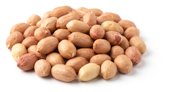 Shelled peanut
Use 100% of the weight. Roast, skin, and grind; creates a thicker, earthier texture typical of Maharashtrian and western Indian curries.


 Chilli powder
Use 10 to 15% of the weight (about 1/4 teaspoon per chilli); imparts dry pungent heat and reddens the dish without the grassy crunch.
 Dried red chilli
Use 1 dried pod per fresh green chilli; snap in half and temper in hot oil for a deeper, toastier heat.


 Fresh ginger
Use equal weight; peel and grate very finely on a microplane or pound to a fine paste in a mortar.
 Ginger
Use equal weight; mince finely and crush with the flat of a knife before frying.
 Ground ginger
Use 20% of the weight; add directly with the dry spice powders, though it yields an earthier, less pungent profile.


 Thick vermicelli
Use the same weight; soak or cook a little longer. It is coarser and less delicate.
 Broken rice
For kheer or payasam only, use the same weight and cook longer. It will not work for stir-fried vermicelli.


 Semolina
Use the same weight and pulse in a blender until fine. If not fine enough, soak 10 minutes before cooking.
 Coarse semolina
Use the same weight, grind finer or soak 10–15 minutes longer. Coarser texture; good for upma but not fine batters.
 Cream of wheat
Use the same weight. Similar fine grain; cooking time is about the same, stir well to avoid lumps.


 Yogurt
Use equal weight, whisked thoroughly until smooth before adding to hot dishes to prevent curdling.
 Coconut milk
Use equal weight with 1 teaspoon lemon juice mixed in. Provides rich creaminess in curries, but adds a noticeable coconut flavour.
 Single cream
Use 80% of the weight plus a squeeze of lemon juice for acidity. Enriches sauces nicely, though it is richer and less tangy.



 Baking powder
Use 4 times the weight (1 g soda ≈ 4 g baking powder). It already contains acid, so reduce or omit added lemon or yogurt.
 Self-raising flour
For baking, swap plain flour plus soda for self-raising flour; omit the soda and adjust salt. Not suitable for recipes where soda is used for colour or texture.


 Lemon
Use the same weight; sharper and less floral, so reduce any extra souring slightly.
 Lemon juice
Use about 30 g juice per lime (2 tbsp), strain pips; add at the end for fresh sourness.
 Dried mango powder
Use 1 g amchoor for about 15 g lime juice; add early with spices; gives dry mango sourness, not citrus aroma.


Similar dishes

- Same: Upama shares with this dish a South Indian savoury semolina base, toasted chana dal and urad dal, mustard seed, cashew, green chilli, onion, coriander, lime and salt.
- Different: Upama uses coarse semolina and no vermicelli, yogurt, baking soda or vegetable oil, has cumin seed and only ghee as fat, and is cooked on the stovetop rather than steamed as dumplings.

- Same: Both are steamed savory cakes bound with plain yogurt and seasoned with mustard seeds, chana dal, urad dal, ginger paste, and green chillies.
- Different: Rava Idli uses only semolina instead of vermicelli, relies strictly on vegetable oil, adds curry leaves and asafoetida, and omits the onions, ghee, and coriander found in this dish.

- Same: Both dishes are vermicelli-based preparations seasoned with onions, fresh green chillies, ginger, and coriander leaf.
- Different: Keema Upama includes minced lamb, garlic, and warm spices like cinnamon and cloves cooked in a pan, whereas this dish is a meat-free preparation mixed with yogurt and steamed into dumplings.

- Same: Artikai Pachadi shares a base of plain yogurt, ginger, green chillies, and coriander, along with a tempering of mustard seeds, chana dal, and urad dal fried in vegetable oil.
- Different: Instead of steamed dumplings containing onions and ghee, Artikai Pachadi is a side dish of boiled bananas seasoned with ground turmeric and dried red chillies.