Indian cooking
Indian cooking / Dishes / Artikai Pachadi
Artikai Pachadi (Bananas in Spicy Yoghurt Sauce)

Artikai Pachadi

Bananas in Spicy Yoghurt Sauce
Vegetarian●●●Origin Tamil NaduPrep 25 minutes plus cooling timeCook 10 minutes

A cooling South Indian side dish of tender boiled bananas folded into spiced yoghurt and finished with a fragrant tempered oil. It balances creamy, tart flavours with gentle warmth and earthy crunch.

Yoghurt spice

0.3 gWhisked into the yoghurt base (step 2)
01
~0.3 gpinch
spice
Leave as ground powder; it goes directly into the yoghurt.

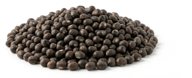
Tempering spices

0.8 gFried with the lentils in hot oil (step 3)
02
0.8 g¼ teaspoon
spice
Keep whole; they will be bloomed together in the oil.

Everything else

01
200 g2 bananas
vegetable
02
1 g½ teaspoon
aromatic
03
Green chilli · Hari Mirchde-seeded and ground
36 g6 chillies
vegetable
04
254 g250 ml
dairy
05
14 g1 tablespoon
oil/fat
06
Black gram · Urad Dalrinsed and drained
4.3 g1 teaspoon
legume
07
Chana dalrinsed and drained
2.1 g½ teaspoon
legume
08
to taste
salt
09
~100 g1 bunch
herb
10
25 g½ lime
fruit

Method

  1. Drop 2 bananas into a large pan of boiling water with their peels intact and simmer for around 7 minutes until tender. Lift them out, set aside to cool, then strip off the skins and cut the flesh into 2.5-cm rounds.
  2. Whisk 254 g plain yogurt, 1 g fresh ginger, 36 g green chilli, salt to taste, and the yoghurt spice together in a large heatproof bowl. Fold in the prepared banana slices.
  3. Warm 13.5 g vegetable oil in a heavy pan over medium heat. Add 4.3 g urad dal, 2.1 g chana dal, and the tempering spices, stirring for about 1 minute until the mustard seeds crackle and the lentils turn a light golden shade.
  4. Pour the sizzling oil and spices over the yoghurt mixture and cover immediately with a lid to trap the aromas. Let it rest undisturbed for 5 minutes.
  5. Uncover, stir through 100 g coriander leaf and the juice of 0.5 lime, and serve straight away.

Don't have something?

Unripe green banana
  • Raw banana

    Use the same weight; peel and boil until tender. It behaves almost identically.

  • Green plantain

    Use the same weight; peel and cook a little longer. It is firmer and starchier.

  • Potato

    Use the same weight; cut to the same size. It is softer and less starchy, so the dish loses some body.

Fresh ginger
  • Ginger paste

    Use equal weight. Sauté in hot fat until the raw allium smell disappears; slightly wetter, but provides identical warmth and pungency.

  • Ground ginger

    Use 20% to 25% of the weight (1 g for every 4 to 5 g fresh). Stir into the gravy; adds peppery heat and warmth, though it misses the crisp, zesty kick of raw root.

Ground turmeric
  • Ground ginger

    Use 50% of the weight. Mimics turmeric's warm, earthy, rhizome background, but provides none of the golden-yellow colour.

  • Saffron

    Steep a tiny pinch (0.1 g per 2 g turmeric) in 2 tbsp warm water; use to match the rich golden hue. Contributes an aristocratic, honeyed floral flavour rather than earthy bitterness.

Green chilli
  • Chilli powder

    Use 10 to 15% of the weight (about 1/4 teaspoon per chilli); imparts dry pungent heat and reddens the dish without the grassy crunch.

  • Dried red chilli

    Use 1 dried pod per fresh green chilli; snap in half and temper in hot oil for a deeper, toastier heat.

Plain yogurt
  • Yogurt

    Use equal weight, whisked thoroughly until smooth before adding to hot dishes to prevent curdling.

  • Coconut milk

    Use equal weight with 1 teaspoon lemon juice mixed in. Provides rich creaminess in curries, but adds a noticeable coconut flavour.

  • Single cream

    Use 80% of the weight plus a squeeze of lemon juice for acidity. Enriches sauces nicely, though it is richer and less tangy.

Vegetable oil
  • Peanut oil

    Use 1:1 by weight. Handles high-heat frying identically and introduces a very subtle, pleasant nuttiness.

  • Ghee

    Use 1:1 by weight. Yields a much richer, authentic aroma and a glossy, heavier mouthfeel.

  • Mustard oil

    Use 1:1 by weight. Heat until smoking, then cool slightly before cooking to temper its intensely pungent, sharp mustard kick.

Urad dal
  • Whole black gram

    Use equal weight. Needs longer soaking and cooking; the dark skins impart an earthy flavour and greyish-black hue unless thoroughly rubbed off.

  • Chana dal

    Use equal weight when tempering (tadka). Provides a comparable nutty, crunchy texture in hot oil, though grains are slightly larger.

  • Split mung beans

    Use equal weight for batters or dals. Ferments and cooks faster, producing a lighter, less sticky, and less viscous consistency.

Chana dal
  • Yellow split peas

    Use 100% of the weight. Soak for at least 1 hour; takes about 10 minutes longer to cook through and has a marginally earthier flavour.

  • Pigeon peas

    Use 100% of the weight. Reduces cooking time by about 10 minutes and breaks down softer, giving a smoother consistency rather than distinct grains.

  • Black gram

    For tempering or tadka only: use 70% of the weight. Browns faster in hot oil, providing a nutty, crunchy bite.

Dried red chilli
  • Dried kashmiri chilli

    Use equal weight whole. Fry in hot oil or ghee as tempered spice; gives a richer red colour with slightly milder heat.

  • Red chilli powder

    Use 50% to 70% of the weight. Stir into the oil with ground spices; distributes heat evenly throughout the dish without whole chilli skins.

Mustard seed
  • Black mustard seed

    Use the same weight. The seeds are smaller and hotter; fry in hot oil until they pop, about 20–30 seconds, and reduce the heat if they darken too fast. The dish will be a little sharper.

  • Yellow mustard seeds

    Use the same weight. They are milder and larger; fry a few seconds longer until they pop. The finished dish will have less pungency.

  • Ground mustard seed

    Use 70% of the weight of whole seed, added with the other ground spices rather than fried whole. You lose the popping texture and the heat comes through more evenly.


Coriander leaf
  • Coriander

    Use equal weight finely chopped; this is the exact same fresh herb.

  • Mint

    Use half the weight finely chopped; provides vibrant green freshness, though the flavour profile becomes noticeably cooler and sharper.

Lime
  • Lemon

    Use the same weight; sharper and less floral, so reduce any extra souring slightly.

  • Lemon juice

    Use about 30 g juice per lime (2 tbsp), strain pips; add at the end for fresh sourness.

  • Dried mango powder

    Use 1 g amchoor for about 15 g lime juice; add early with spices; gives dry mango sourness, not citrus aroma.

Similar dishes

Artikai Podi
Savoury Green Bananas
Artikai Podi is nutty, dry, and sharp from tamarind, unlike the cool, creamy, and mildly tart flavour of this dish.
  • Same: Both dishes feature bananas prepared with ginger, green chillies, dried red chillies, mustard seeds, urad dal, and chana dal.
  • Different: Artikai Podi is a dry curry made with tamarind, curry leaves, cumin, and a much larger amount of roasted lentils, whereas this dish suspends the bananas in a wet yoghurt base with turmeric and coriander leaf.
Artikai Vepudu
Savoury Bananas
Artikai Vepudu is dry, nutty, and purely savoury, lacking the tart, creamy, and cooling quality of this yogurt-based dish.
  • Same: Both dishes use bananas as the primary ingredient seasoned with ground turmeric, salt, and vegetable oil.
  • Different: Artikai Vepudu is a dry stir-fry using ground coriander, chilli powder, dried coconut, and substantially more oil, entirely omitting the yogurt, dals, mustard seeds, ginger, and green chillies found in this dish.
Kele ke Dahi Bare
Green Banana Dumplings in Yoghurt
Kele ke Dahi Bare tastes richer, sweeter, and more cumin-forward, lacking the sharp, earthy heat and pungent mustard-tempered crunch of this dish.
  • Same: Kele ke Dahi Bare also pairs green bananas with plain yoghurt, green chillies, fresh coriander, and salt.
  • Different: Instead of boiling the bananas and finishing with a vegetable oil and dal tempering, Kele ke Dahi Bare forms the bananas into dumplings fried in ghee and adds sugar and ground cumin while omitting ginger, turmeric, and mustard seeds.
Kachche Kele ke Kofte
Spicy Green Banana Balls in Sauce
It tastes mildly sweet, coconutty and aromatic with crisp fried banana balls, while this dish is cooling, tart and creamy with a mustard-dal tempering.
  • Same: It shares unripe green banana, plain yoghurt, green chilli, turmeric and vegetable oil with this dish.
  • Different: It adds peas, coconut, chickpea flour, Kashmiri garam masala and sugar, and its banana is formed into fried dumplings rather than boiled and folded into yoghurt with a urad dal, chana dal and mustard-seed tempering.