Indian cooking
Upama (Semolina (Farina) Snack)

Upama

Semolina (Farina) Snack
Vegetarian●●●Origin Tamil Nadu/KarnatakaPrep 20 minutesCook 15 minutes

A savoury South Indian semolina preparation studded with toasted lentils, cashews, and aromatics. It has a fluffy, comforting texture with a gentle heat and a bright, zesty finish.

ground ginger

1.8 gSizzled in the warm ghee at the start (step 2)
01
1.8 g1 teaspoon
spice
Keep separate to fry first in the ghee.

tempering spices

2.7 gAdded alongside the lentils and cashews (step 3)
01
1.6 g½ teaspoon
spice
02
1.1 g½ teaspoon
spice
Leave whole to toast together in the pan.

Everything else

01
2.2 g½ teaspoon
oil/fat
02
Green chilli · Hari Mirchde-seeded and chopped
24 g4 chillies
vegetable
03
Onion · Pyazfinely sliced
300 g2 onions
vegetable
05
~100 g1 bunch
herb
06
50 g1 lime
fruit
07
to taste
salt
08
Chana dalrinsed and drained
13 g1 tablespoon
legume
09
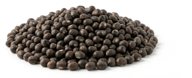
Black gram · Urad Dalrinsed and drained
4.3 g1 teaspoon
legume
10
9 g6 cashews
nut/seed

Method

  1. Bring 500 ml of water seasoned with salt to taste to a boil in a separate pan.
  2. Warm half of the 2.2 g ghee in a heavy skillet over medium heat, add the ground ginger, and stir-fry for 1 minute.
  3. Toss in the tempering spices, 12.6 g chana dal, 4.3 g urad dal, and 6 cashew nuts, stirring for roughly 2 minutes until deeply browned.
  4. Turn the heat down to low, mix in 24 g green chilli and 300 g onion, and cook for about 4 minutes until softened.
  5. Tip in 200 g semolina, then pour in the boiling salted water in a steady stream while stirring constantly until the moisture has been completely absorbed.
  6. Stir in the remainder of the ghee along with 100 g coriander, cooking just until the ghee has completely melted.
  7. Remove the skillet from the heat, blend in the juice of 1 lime, and serve hot.

Don't have something?

Ghee
  • Unsalted butter

    Use 120% of the weight; melt gently over low heat to avoid burning the milk solids, which will yield a softer, creamier richness rather than a nutty aroma.

  • Vegetable oil

    Use 85% of the weight; holds high cooking temperatures without smoking, but the final dish will lack traditional dairy depth.

  • Mustard oil

    Use equal weight; heat to smoking point and cool slightly before cooking, bearing in mind it introduces an assertive, pungent edge.

Ground ginger
  • Ginger paste

    Use 300% to 400% of the weight (e.g. 3–4 g paste for 1 g ground). Fry in oil alongside onions; provides a juicy, pungent kick rather than a dry, baking-spice heat.

  • Fresh ginger

    Peel and grate finely; use 300% to 400% of the weight. Add to the hot oil early; delivers bright, peppery warmth rather than the mellow, woody heat of dry ginger.

  • Ground mace

    Use 50% of the weight. Imparts a warm, spicy undertone in rich gravies, but lacks ginger's fiery, sharp zest.

Green chilli
  • Chilli powder

    Use 10 to 15% of the weight (about 1/4 teaspoon per chilli); imparts dry pungent heat and reddens the dish without the grassy crunch.

  • Dried red chilli

    Use 1 dried pod per fresh green chilli; snap in half and temper in hot oil for a deeper, toastier heat.

Onion
  • Shallot

    Use equal weight, finely sliced. Shallots soften and brown faster, giving a slightly sweeter and more delicate base to curries.

  • Cabbage

    Use 80% of the weight, finely shredded and browned slowly with a pinch of asafoetida. Replicates the bulk and natural sweetness in gravies without allium.

Coarse semolina
  • Semolina

    Use the same weight; it is finer, so add liquid gradually and soak for less time.

  • Fine semolina

    Use the same weight; it absorbs faster and gives a smoother, less grainy texture.

  • Cream of wheat

    Use the same weight; toast it first if the recipe calls for roasting, and watch the liquid.

Coriander leaf
  • Coriander

    Use equal weight finely chopped; this is the exact same fresh herb.

  • Mint

    Use half the weight finely chopped; provides vibrant green freshness, though the flavour profile becomes noticeably cooler and sharper.

Lime
  • Lemon

    Use the same weight; sharper and less floral, so reduce any extra souring slightly.

  • Lemon juice

    Use about 30 g juice per lime (2 tbsp), strain pips; add at the end for fresh sourness.

  • Dried mango powder

    Use 1 g amchoor for about 15 g lime juice; add early with spices; gives dry mango sourness, not citrus aroma.

Chana dal
  • Yellow split peas

    Use 100% of the weight. Soak for at least 1 hour; takes about 10 minutes longer to cook through and has a marginally earthier flavour.

  • Pigeon peas

    Use 100% of the weight. Reduces cooking time by about 10 minutes and breaks down softer, giving a smoother consistency rather than distinct grains.

  • Black gram

    For tempering or tadka only: use 70% of the weight. Browns faster in hot oil, providing a nutty, crunchy bite.

Urad dal
  • Whole black gram

    Use equal weight. Needs longer soaking and cooking; the dark skins impart an earthy flavour and greyish-black hue unless thoroughly rubbed off.

  • Chana dal

    Use equal weight when tempering (tadka). Provides a comparable nutty, crunchy texture in hot oil, though grains are slightly larger.

  • Split mung beans

    Use equal weight for batters or dals. Ferments and cooks faster, producing a lighter, less sticky, and less viscous consistency.

Mustard seed
  • Black mustard seed

    Use the same weight. The seeds are smaller and hotter; fry in hot oil until they pop, about 20–30 seconds, and reduce the heat if they darken too fast. The dish will be a little sharper.

  • Yellow mustard seeds

    Use the same weight. They are milder and larger; fry a few seconds longer until they pop. The finished dish will have less pungency.

  • Ground mustard seed

    Use 70% of the weight of whole seed, added with the other ground spices rather than fried whole. You lose the popping texture and the heat comes through more evenly.


Cumin seed
  • Ground cumin

    Use 70% of the weight; add with ground spices or sauce bases rather than hot oil tempering, where it scorches quickly and turns bitter.

  • Black cumin seeds

    Use equal weight for oil tempering. Delivers an earthy profile with an additional musky, smoky, and slightly bitter edge.

  • Fennel seed

    Use 60% of the weight for tempering; offers comparable warm aroma, but leans sweet and liquorice-like rather than savoury and earthy.

Cashew nut
  • Almond

    Use 100% of the weight. Soak in boiling water and slip off skins before frying or grinding; gives a lighter, slightly less sweet richness to curries.

  • Poppy seed

    Use 60% of the weight for gravies. Soak in warm water and grind into a fine paste to thicken royal kormas without adding heavy oiliness.

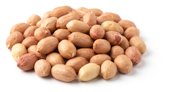
  • Shelled peanut

    Use 100% of the weight. Roast, skin, and grind; creates a thicker, earthier texture typical of Maharashtrian and western Indian curries.

Similar dishes

Kurugayulu Upama
Savoury Semolina with Vegetables
It has a tangier and more pungent, spiced profile from the yogurt, tomatoes, and cloves, whereas this dish tastes milder, nuttier, and richer from the ghee and toasted cashews.
  • Same: Kurugayulu Upama shares a semolina base tempered with onions, green chillies, ginger, urad dal, cumin, and mustard seeds with this dish.
  • Different: Kurugayulu Upama uses vegetable oil instead of ghee and incorporates tomatoes, yogurt, garlic, cloves, turmeric, curry leaves, and coriander, while omitting the chana dal and cashews found in this dish.
Rava Dosa
Semolina Pancakes
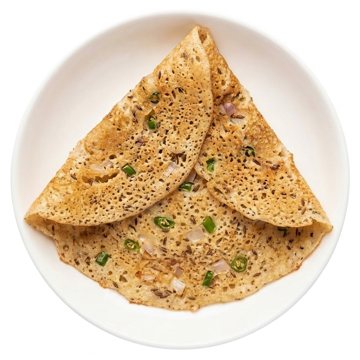
Rava Dosa delivers a crunchier, buttery finish without the ginger heat and nutty, toasted lentil flavour of this dish.
  • Same: Both dishes rely on semolina seasoned with green chillies, onions, and cumin seeds.
  • Different: Rava Dosa is pan-fried as a thin, crisp pancake using butter and vegetable oil, omitting the ghee, ginger, cashews, mustard seeds, and lentils cooked into this dish.
Avasara Adai
Quick Semolina (Farina) & Gram (Chickpea) Pancakes
Avasara Adai has a nuttier, earthier taste from chickpea flour and fresh coconut, lacking the rich, buttery ghee flavor and crunchy lentil bites of this dish.
  • Same: Both recipes use semolina seasoned with mustard seeds, cumin seeds, ginger, green chillies, and onions.
  • Different: Avasara Adai is pan-fried as griddle cakes in vegetable oil and adds chickpea flour, fresh coconut, curry leaves, and asafoetida, while omitting the ghee, cashews, and whole lentils found in this dish.
Kesari Bhaath
Saffron-tinged Semolina (Farina)
Kesari Bhaath tastes sweet, rich, and aromatic from ghee, saffron, and cardamom, while this dish is savoury with gentle heat and a lime-bright finish.
  • Same: Kesari Bhaath shares with this dish a base of coarse semolina toasted in ghee and a garnish of cashews.
  • Different: Kesari Bhaath uses sugar, milk, saffron, and cardamom instead of this dish’s onion, green chilli, ginger, lime, coriander, chana dal, urad dal, mustard seed, and cumin seed, and it has much more ghee.