
Pineapple Pachadi
A sweet-sour pineapple relish made creamy with fresh coconut and yoghurt, with mustard, curry leaf and mild chilli warmth. It tastes tangy, gently spiced and coconut-rich.
Whole spices for the oil
8 gAdded to the hot oil with the curry leaves (step 3)Ground spices for the sauce
2.9 gStirred in with the pineapple and coconut paste (step 4)Coconut-paste spice
2.1 gBlended into the coconut paste (step 1)Everything else

Method
- Blend 100 g coconut, the coconut-paste spice (2.1 g cumin seed), 4 g green bird’s eye chilli and 99.4 g water to a smooth paste. Set aside.
- Warm 40.5 g vegetable oil in a large saucepan over medium heat.
- Add the whole spices for the oil (3.5 g black mustard seed, 0.9 g fenugreek seed and 4 g dried round red chilli) and 3.8 g curry leaf; cook until they sizzle.
- Stir in 650 g pineapple, drained, the ground spices for the sauce (0.3 g ground turmeric and 2.6 g kashmiri chilli powder) and the coconut paste.
- Simmer over low heat for 4 minutes, then add 4.2 g granulated sugar and salt to taste; stir well.
- Take off the heat, cool slightly, then stir in 30.6 g plain yoghurt, whisked.
Don't have something?


 Peanut oil
Use 1:1 by weight. Handles high-heat frying identically and introduces a very subtle, pleasant nuttiness.
 Ghee
Use 1:1 by weight. Yields a much richer, authentic aroma and a glossy, heavier mouthfeel.
 Mustard oil
Use 1:1 by weight. Heat until smoking, then cool slightly before cooking to temper its intensely pungent, sharp mustard kick.


 Mustard seeds
Use equal weight. Pop in hot fat until they crackle and turn greyish; yields an almost identical nutty, pungent finish.
 Yellow mustard seeds
Use equal weight. Fry over medium heat; delivers a milder, sweeter pop and turns bitter quickly if the oil is excessively hot.


- Mustard seed
Use 50% of the weight, crush or grind. Sharper heat and less maple-bitter; fry briefly in oil before adding.
 Caraway seeds
Use the same weight, crush lightly. Similar bitter-seed note but more aniseed; reduce other sweet spices slightly.
 Ajwain seeds
Use 25–30% of the weight, crush. Much stronger thyme-like flavour; do not overdo.


 Bay leaf
Fry 1 bay leaf for every 5 curry leaves in hot oil; imparts a warm, woodsy background note, but misses the citrus-sulphury punch entirely.
 Lime juice
Add a small squeeze (about 5 ml per sprig of curry leaves) right before serving; provides sharp citrus top notes without the toasty, herbal aroma.


 Dried red chilli
Use the same count or weight; check heat as round chillies vary.
 Dried Kashmiri red chilli
Use the same weight; gives colour with less heat.
 Dried mild red chilli
Use the same weight; milder, so add extra only if needed.


 Canned pineapple
Use the same drained weight; pat dry before cooking. It is sweeter, so reduce added sugar.
 Green mango
Use the same weight; it is much more sour, so add a little sugar and cook 5 minutes longer until soft.
 Apple
Use the same weight; it holds shape but is less acidic. Add a squeeze of lemon and cook 5 minutes longer.


 Ground ginger
Use 50% of the weight. Mimics turmeric's warm, earthy, rhizome background, but provides none of the golden-yellow colour.
 Saffron
Steep a tiny pinch (0.1 g per 2 g turmeric) in 2 tbsp warm water; use to match the rich golden hue. Contributes an aristocratic, honeyed floral flavour rather than earthy bitterness.


- Dried kashmiri chilli
Grind deseeded dried pods to an equal weight of powder; gives identical vivid red colour and gentle warmth.
 Red chilli powder
Use 25% of the weight mixed with sweet paprika for colour; straight red chilli powder is substantially hotter and will make the dish fiery.
 Chilli powder
Use one-third of the weight; the sauce will be less intensely red and notably sharper in heat.


 Jaggery
Use equal weight; grate or shave finely so it dissolves rapidly, giving a warm, caramel-like sweetness and slightly darker sauce.


 Yogurt
Use equal weight, whisked thoroughly until smooth before adding to hot dishes to prevent curdling.
 Coconut milk
Use equal weight with 1 teaspoon lemon juice mixed in. Provides rich creaminess in curries, but adds a noticeable coconut flavour.
 Single cream
Use 80% of the weight plus a squeeze of lemon juice for acidity. Enriches sauces nicely, though it is richer and less tangy.


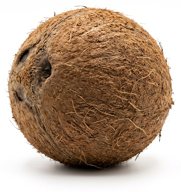
 Fresh coconut
Use equal weight freshly grated or diced. Delivers the identical sweet, milky taste and juicy texture.
 Desiccated coconut
Use 60% of the weight and soak in hot water or milk for 15 minutes before using. The finished dish will be slightly sweeter and less fibrous.
 Dried coconut
Finely grate and use 50% of the weight, soaked in hot water for 20 minutes. Yields a firmer chew and a denser, oilier coconut aroma.


 Ground cumin
Use 70% of the weight; add with ground spices or sauce bases rather than hot oil tempering, where it scorches quickly and turns bitter.
 Black cumin seeds
Use equal weight for oil tempering. Delivers an earthy profile with an additional musky, smoky, and slightly bitter edge.
 Fennel seed
Use 60% of the weight for tempering; offers comparable warm aroma, but leans sweet and liquorice-like rather than savoury and earthy.


- Bird's eye green chilli
Use the same weight; heat and flavour are very close.
 Green chilli
Use 1.5 to 2 times the weight; deseed for less heat. Larger chillies are more watery.
 Fresh green chilli
Use 1.5 to 2 times the weight; chop finely and adjust heat by tasting.


 Stock
Use the same weight in savoury dishes; it adds body, so adjust salt.
 Milk
Use the same weight only in doughs or creamy dishes; it makes the result richer.
 Coconut water
Use the same weight in curries or rice; it adds sweetness and a faint coconut taste.


Similar dishes

- Same: Kerala Ulli Theeyal shares coconut, mustard seed, curry leaf, fenugreek, dried red chilli, green bird’s eye chilli and Kashmiri chilli powder with this dish.
- Different: Kerala Ulli Theeyal uses tamarind paste, baby onions and coconut oil to make a thick dark curry, while this dish uses pineapple, yoghurt and vegetable oil and has no tamarind or onion.

- Same: Andhra Vankaya Thakkali shares vegetable oil, black mustard seed, cumin seed, curry leaves, Kashmiri chilli powder, turmeric, coconut and salt with this dish.
- Different: Andhra Vankaya Thakkali uses aubergine, tomato, onion, garlic, urad dal and coriander seeds and leaf, lacks pineapple, yoghurt, sugar, fenugreek and green bird’s eye chilli, uses more oil and no added water, and is a thick tomato-coconut gravy rather than a yoghurt-thickened relish.

- Same: Thakkali Pachadi shares vegetable oil, black mustard seed, curry leaf, ground turmeric, Kashmiri chilli powder, coconut and salt with this dish.
- Different: Thakkali Pachadi uses tomato, garlic, dried Kashmiri chilli and a split urad dal tadka, and it lacks this dish's pineapple, yoghurt, fenugreek, cumin, green bird's eye chilli, sugar and added water.

- Same: Andhra Vankaya Pulusu shares coconut, yoghurt, black mustard seed, curry leaf, turmeric, Kashmiri chilli powder, sugar, salt and vegetable oil with this dish.
- Different: Andhra Vankaya Pulusu uses aubergine, tamarind paste, onion, garlic, cinnamon, ground coriander and fresh coriander, while this dish uses pineapple, fenugreek, cumin, dried round red chilli and green bird’s eye chilli.