
Kerala Ulli Theeyal
Kerala ulli theeyal is a thick, dark onion curry made with a roasted coconut and spice paste. It tastes sour from tamarind, lightly sweet, and warmly hot from pepper and chilli.
Theeyal paste spices
11 gBlended with the fried onion and coconut (step 3)Whole spices for the tempering
10 gAdded to the hot oil before the theeyal paste (step 5)Everything else

Method
- Dry-fry 30–40 g baby onion, quartered, in a dry pan over medium heat for 2–3 minutes, keeping them moving.
- Add 80 g coconut and fry for 4–5 minutes until it turns light brown. Take the pan off the heat and let it cool.
- Put the cooled onion and coconut in a blender with the theeyal paste spices (1.9 g fenugreek seed, 1.4 g black peppercorn, 2.6 g kashmiri chilli powder, 5.4 g ground coriander) and 79.5 g water. Blend to a smooth, fine paste and leave it in the blender.
- Heat 40.5 g coconut oil in a saucepan over medium heat. Add 500 g baby onion, peeled and halved if large, and fry for 7–8 minutes until the edges begin to colour. Lift the onions out and keep them aside.
- Add the whole spices for the tempering to the hot oil, then add 2–2.5 g curry leaf and 2 g green bird’s eye chilli, slit. Let them crackle.
- Add the theeyal paste and cook for 1 minute, stirring.
- Pour in 348 g water and add salt to taste, 27 g light brown soft sugar and the fried baby onion. Simmer over low heat for 3–4 minutes, stirring well.
- Stir in 54 g tamarind paste and simmer for 2 minutes more.
- Scatter over chopped coriander leaf to taste and serve.
Don't have something?


 Vegetable oil
Use the same weight; it is neutral and will not add coconut aroma.
 Groundnut oil
Use the same weight; mild and good for frying, but no coconut flavour.
 Ghee
Use the same weight for richness; it adds a dairy aroma and is not vegan.


 Baby pearl onion
Use the same weight; peel and leave whole. Almost identical, though pearl onions can be slightly sweeter.
 Shallot
Use the same weight; halve if large. Sweeter and cooks 2 minutes faster, so add later.
 Onion
Use the same weight, cut into small wedges. Stronger and sharper; cook 2–3 minutes longer.


 Mustard seeds
Use equal weight. Pop in hot fat until they crackle and turn greyish; yields an almost identical nutty, pungent finish.
 Yellow mustard seeds
Use equal weight. Fry over medium heat; delivers a milder, sweeter pop and turns bitter quickly if the oil is excessively hot.


 Bay leaf
Fry 1 bay leaf for every 5 curry leaves in hot oil; imparts a warm, woodsy background note, but misses the citrus-sulphury punch entirely.
 Lime juice
Add a small squeeze (about 5 ml per sprig of curry leaves) right before serving; provides sharp citrus top notes without the toasty, herbal aroma.


- Bird's eye green chilli
Use the same weight; heat and flavour are very close.
 Green chilli
Use 1.5 to 2 times the weight; deseed for less heat. Larger chillies are more watery.
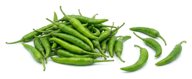 Fresh green chilli
Use 1.5 to 2 times the weight; chop finely and adjust heat by tasting.


 Dried red chilli
Use the same count or weight; check heat as round chillies vary.
 Dried Kashmiri red chilli
Use the same weight; gives colour with less heat.
 Dried mild red chilli
Use the same weight; milder, so add extra only if needed.


 Stock
Use the same weight in savoury dishes; it adds body, so adjust salt.
 Milk
Use the same weight only in doughs or creamy dishes; it makes the result richer.
 Coconut water
Use the same weight in curries or rice; it adds sweetness and a faint coconut taste.


 Demerara sugar
Use the same weight; it is drier and slightly less molasses-rich, so taste and add a little more if needed.
 Jaggery
Use the same weight; it is stronger and more mineral, so dissolve it first and reduce any other sweetener.
 Granulated sugar
Use the same weight; it is less moist and less dark. Add 5 g cane molasses per 100 g if you have it.


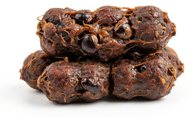 Tamarind pulp
Use 120–150% of the weight and strain; pulp is less concentrated, so simmer a little longer to thicken.
 Tamarind extract
Use 150–200% of the weight and reduce gently; extract is already diluted.
- Lime juice
Use 60–70% of the weight with a pinch of jaggery; sharper, so add near the end off the heat.


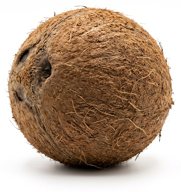
 Fresh coconut
Use equal weight freshly grated or diced. Delivers the identical sweet, milky taste and juicy texture.
 Desiccated coconut
Use 60% of the weight and soak in hot water or milk for 15 minutes before using. The finished dish will be slightly sweeter and less fibrous.
 Dried coconut
Finely grate and use 50% of the weight, soaked in hot water for 20 minutes. Yields a firmer chew and a denser, oilier coconut aroma.


- Mustard seed
Use 50% of the weight, crush or grind. Sharper heat and less maple-bitter; fry briefly in oil before adding.
 Caraway seeds
Use the same weight, crush lightly. Similar bitter-seed note but more aniseed; reduce other sweet spices slightly.
 Ajwain seeds
Use 25–30% of the weight, crush. Much stronger thyme-like flavour; do not overdo.


 Coarsely ground black pepper
Use 75% of the weight. Add midway through simmering; spreads heat evenly through the dish instead of delivering isolated bursts.
 Ground black pepper
Use 50% of the weight. Stir in near the end of cooking; significantly darkens light gravies and provides an immediate, sharp bite.


- Dried kashmiri chilli
Grind deseeded dried pods to an equal weight of powder; gives identical vivid red colour and gentle warmth.
 Red chilli powder
Use 25% of the weight mixed with sweet paprika for colour; straight red chilli powder is substantially hotter and will make the dish fiery.
 Chilli powder
Use one-third of the weight; the sauce will be less intensely red and notably sharper in heat.


 Coriander seeds
Dry-roast lightly in a pan and grind to a fine powder; use equal weight (1:1). Offers a noticeably fresher, brighter citrus note.
 Ground cumin
Use 50% to 75% of the weight. Lacks the floral, citrusy profile of coriander and turns the gravy heavier, earthier, and darker.
 Garam masala
Use 50% of the weight and stir in near the end of cooking. Adds warmth and depth since it contains ground coriander, but introduces stronger spices like clove and cinnamon.


Similar dishes
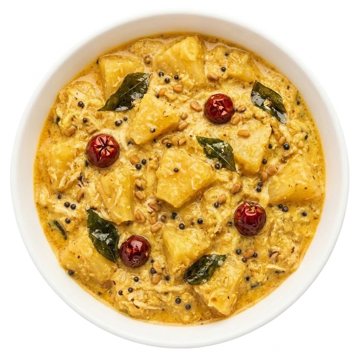
- Same: Pineapple Pachadi shares coconut, black mustard seed, curry leaf, dried red chilli, green bird’s eye chilli, fenugreek, Kashmiri chilli powder, salt and water with this dish.
- Different: Pineapple Pachadi uses pineapple and plain yoghurt as its main creamy base, plus turmeric and cumin, vegetable oil instead of coconut oil, and no tamarind paste or baby onions, so it is a relish rather than a thick dark onion curry.

- Same: Mysore Bonda shares onion and coconut with this dish, and both are South Indian preparations built around those ingredients.
- Different: Mysore Bonda is a deep-fried urad dal batter fritter with fresh coconut, green chilli, black peppercorn, and onion, while this dish is a thick curry made with tamarind, roasted coconut, mustard seed, curry leaf, fenugreek, Kashmiri chilli powder, and coconut oil.

- Same: Andhra Vankaya Pulusu shares tamarind paste, coconut, black mustard seed, curry leaf, Kashmiri chilli powder, ground coriander, sugar, salt, coriander and water with this dish.
- Different: Andhra Vankaya Pulusu uses aubergine, vegetable oil, Greek yoghurt, white onion, garlic, turmeric and cinnamon, and it lacks this dish's baby onions as the main ingredient, fenugreek, black peppercorn, dried round red chilli, green bird's eye chilli and coconut oil, with roasted aubergine in a yoghurt-coconut-tamarind gravy rather than a roasted coconut-spice paste with baby onions.

- Same: Maharashtrian Kolambicha Kalwan shares tamarind paste, coconut, curry leaves, green bird’s eye chilli and black peppercorn with this dish.
- Different: Maharashtrian Kolambicha Kalwan uses king prawns, coconut milk, ginger, garlic, cumin, turmeric and malt vinegar, and it lacks this dish’s baby onions, mustard seed, fenugreek, sugar and dried red chilli.