
Mutton Barra Kebab
These charred lamb kebabs are tenderised in a tangy yogurt and vinegar marinade before being roasted over high heat and brushed with butter. They deliver a smoky, succulent bite finished with a fragrant, tangy dusting of ground spices.
marinade aromatics and spices
33 gMixed into the yogurt marinade (step 1)sprinkling spices
1.6 gDusted over the cooked kebabs (step 5)Everything else


Method
- In a broad, shallow dish, whisk together the marinade aromatics and spices with 127 g plain yogurt, 45 g white malt vinegar, 3 tablespoons tenderising paste, 1 teaspoon ground black pepper, and salt to taste.
- Add 1000 g lamb, massaging the marinade thoroughly into the meat. Cover the dish and let it rest in the fridge overnight.
- Set up a tandoor, charcoal barbecue, or overhead grill (broiler) for moderate heat. In a small bowl, blend the sprinkling spices with 0.3 g black rock salt and the remaining ground spices, then reserve.
- Skewer the marinated lamb onto metal skewers, positioning a tray beneath to catch any drips. Cook over the heat for around 10 minutes.
- Take the skewers off the heat and suspend them briefly so that excess juices run off. Lay the skewers in a dish, brush all over with melted butter, and return to the heat for another 5 minutes until tender and cooked through. Scatter the sprinkling spices over the kebabs just before serving.
Don't have something?


 Green papaya paste
Use the same weight; blend peeled green papaya. Very close, but may be slightly weaker as a tenderiser.
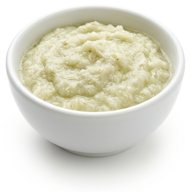 Unripe papaya paste
Use the same weight; blend peeled unripe papaya. Similar, with a little more sweetness.
 Raw papaya
Use the same weight; peel, deseed and blend to a paste. Fresher and stronger than a stale paste.


 Garlic
Use equal weight; crush or finely grate to a smooth pulp to replicate the same fresh, pungent moisture in your base gravy.
 Garlic powder
Use 20 to 25% of the weight; mix with a teaspoon of water before adding to oil so it does not burn, noting it lacks the fresh bite.


 Fresh ginger
Use equal weight; peel and grate very finely on a microplane or pound to a fine paste in a mortar.
 Ginger
Use equal weight; mince finely and crush with the flat of a knife before frying.
 Ground ginger
Use 20% of the weight; add directly with the dry spice powders, though it yields an earthier, less pungent profile.


 Black peppercorn
Use the same weight and crush or grind as the recipe needs; whole peppercorn is the same spice.
 Ground black pepper
Use the same weight; add nearer the end if the recipe calls for whole pepper, as ground loses aroma faster.
 Ground white pepper
Use about 75–80% of the weight; it is milder and earthier, with less bite.


 Nigella seeds
Use the same weight; in Indian cooking this is usually the same seed. Toast lightly if the recipe asks for toasted.
- Kalonji seed
Use the same weight; it is another name for nigella. Add whole or crush lightly.
 Cumin seed
Use about 75% of the weight and toast before use; the flavour is different, more warm and less onion-like.


 Yogurt
Use equal weight, whisked thoroughly until smooth before adding to hot dishes to prevent curdling.
 Coconut milk
Use equal weight with 1 teaspoon lemon juice mixed in. Provides rich creaminess in curries, but adds a noticeable coconut flavour.
 Single cream
Use 80% of the weight plus a squeeze of lemon juice for acidity. Enriches sauces nicely, though it is richer and less tangy.


 White vinegar
Use 90% of the weight. It is sharper and lacks the mild malty grain undertone, so temper with a tiny pinch of sugar if needed.
 Lemon juice
Use 100% of the weight. Best for marinades or quick chutneys; imparts fresh citrus flavour instead of fermented acidity.


 Lamb shoulder
Use the same total weight; cut into pieces and simmer 15–20 minutes longer for shank-like tenderness.
 Mixed lamb pieces
Use the same weight; include bones if possible and cook until the largest piece is tender.
 Lamb leg
Use the same weight; leaner, so add oil and cook 10 minutes longer.


 Unsalted butter
Use 100% of the weight. If the original recipe relies on salted table butter, add a pinch of salt to balance.
 Ghee
Use 80% to 85% of the weight. Ghee is pure butterfat with moisture removed; it yields a deeper, nuttier flavour and handles high heat better.
 Vegetable oil
Use 80% of the weight for frying or tempering. The dish loses sweet dairy richness but remains glossy and light.


 Ground black cardamom
Use 0.5 g of ground seeds for each whole pod. Stir directly into the curry base; delivers identical smoky flavour without woody husks.
 Green cardamom pod
Use equal pod count or weight. Crack slightly and fry whole; tastes sweet, menthol-fresh, and floral rather than dark and smoky.


 Green cardamom seed
Use 35 to 40% of the total pod weight; lightly bruise the seeds before frying in oil to release their essential oils.
 Ground green cardamom
Use 20 to 25% of the pod weight (about 1 generous pinch per pod); stir in toward the end of cooking so the delicate floral notes do not dissipate.
 White cardamom pod
Use 1:1 by pod count or weight; crack gently before using, though it is slightly less intensely floral.


 Ceylon cinnamon
True cinnamon: thinner, papery quills, milder and sweeter. Use about 1.5 times the weight, and taste.
 Ground cinnamon (cassia)
Use about a third of the weight (0.5 g ground for a 2.5 cm piece), stirred in with the ground spices rather than fried whole, since the powder burns quickly.
 Cassia buds
Use 60-70% of the weight; stronger and more peppery, so taste before adding more.


 Ground cloves
Use 1 g ground for 4 g whole (or 1 small pinch per 2 to 3 whole cloves). Add with spice powders; disperses intense warmth quickly, so use with restraint.
 Allspice berries
Use 100% of the weight whole in tempering. Imparts a warm, clove-like aromatic profile combined with hints of nutmeg and cinnamon.
- Black cardamom pod
Use 1 pod for 3 to 4 cloves in whole tempering. Shares a camphor-like warmth and medicinal depth, though it introduces a distinct smoky undertone.

Similar dishes

- Same: Yakhni shares lamb, plain yogurt, garlic paste, black cumin seed, green and black cardamom, clove, and salt with this dish.
- Different: Yakhni is a braised curry using ghee, dried mawal flower, Kashmiri chilli powder, turmeric, boiled onion paste, and dried mint, while this dish is a roasted kebab marinated with raw papaya paste and white malt vinegar and brushed with butter.

- Same: Moti Kebab also uses lamb marinated in plain yogurt, white malt vinegar, ginger paste, and garlic paste, enriched with butter.
- Different: Moti Kebab is pan-fried in oil or ghee and seasoned with garam masala, whereas this dish is roasted over high heat and spiced with black cumin seeds, green cardamom, cloves, and black rock salt.

- Same: Akha Peenda shares lamb, white malt vinegar, garlic and ginger pastes, black cumin, black and green cardamom, cinnamon, clove, black pepper and black rock salt with this dish, and both finish over high heat.
- Different: Akha Peenda uses a whole leg of lamb, mustard oil and vegetable oil instead of butter, adds rum, chilli powder, amchoor, kasoori methi and bay leaf, and is slow-braised in broth before roasting, with no yogurt or raw papaya marinade.

- Same: Gol Maas Kaachar also uses lamb prepared with yogurt, ginger, garlic, cloves, and green cardamom.
- Different: Instead of roasting dry kebabs basted with butter, vinegar, and black cumin, it is braised as a curry in mustard oil with onions, tomatoes, chili powder, cinnamon, and bay leaf.