
Moti Kebab
Tender cubes of lamb are twice-marinated—first in raw papaya and malt vinegar, then in spiced yogurt—before being gently pan-fried until rich, dry, and succulent.
Marinade spices and aromatics
68 gStirred into the yogurt marinade (step 2)Everything else

Method
- In a large bowl, whisk 1 tablespoon raw papaya paste, 60 g white malt vinegar, and salt to taste until blended. Add 1000 g cubed lamb and toss until evenly coated. Cover and refrigerate for at least 30 minutes.
- In a separate wide dish, combine 254 g plain yogurt, 2 tablespoons marinade paste, the marinade spices and aromatics, and salt to taste. Transfer the meat into this spiced yogurt mixture, turning until thoroughly coated. Cover and marinate in the refrigerator overnight.
- Warm 54 g vegetable oil or ghee and 28.2 g butter in a wide, flat pan over medium-low heat. Tip in the meat along with all of its marinade. Cook for roughly 15 minutes, turning frequently with a spatula, until the lamb is fully tender and virtually all pan moisture has evaporated.
Don't have something?


 Green papaya paste
Use the same weight; blend peeled green papaya. Very close, but may be slightly weaker as a tenderiser.
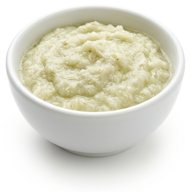 Unripe papaya paste
Use the same weight; blend peeled unripe papaya. Similar, with a little more sweetness.
 Raw papaya
Use the same weight; peel, deseed and blend to a paste. Fresher and stronger than a stale paste.


 White vinegar
Use 90% of the weight. It is sharper and lacks the mild malty grain undertone, so temper with a tiny pinch of sugar if needed.
 Lemon juice
Use 100% of the weight. Best for marinades or quick chutneys; imparts fresh citrus flavour instead of fermented acidity.


 Boneless lamb shoulder
Use same weight; shoulder is well marbled and best for slow curry, with similar cooking time.
 Boneless leg of lamb
Use same weight; leg is leaner, so simmer 10 minutes less to avoid dryness.
 Boneless lamb fillet
Use same weight but simmer 15–20 minutes less; fillet is tender and cooks quickly.


 Peanut oil
Use equal weight; handles high tempering heat well and keeps flavours neutral.
 Butter
Use equal weight; cook over gentle heat to prevent browning the milk solids too quickly.


 Unsalted butter
Use 100% of the weight. If the original recipe relies on salted table butter, add a pinch of salt to balance.
 Ghee
Use 80% to 85% of the weight. Ghee is pure butterfat with moisture removed; it yields a deeper, nuttier flavour and handles high heat better.
 Vegetable oil
Use 80% of the weight for frying or tempering. The dish loses sweet dairy richness but remains glossy and light.


 Yogurt
Use equal weight, whisked thoroughly until smooth before adding to hot dishes to prevent curdling.
 Coconut milk
Use equal weight with 1 teaspoon lemon juice mixed in. Provides rich creaminess in curries, but adds a noticeable coconut flavour.
 Single cream
Use 80% of the weight plus a squeeze of lemon juice for acidity. Enriches sauces nicely, though it is richer and less tangy.


 Fresh ginger
Use equal weight; peel and grate very finely on a microplane or pound to a fine paste in a mortar.
 Ginger
Use equal weight; mince finely and crush with the flat of a knife before frying.
 Ground ginger
Use 20% of the weight; add directly with the dry spice powders, though it yields an earthier, less pungent profile.


 Garlic
Use equal weight; crush or finely grate to a smooth pulp to replicate the same fresh, pungent moisture in your base gravy.
 Garlic powder
Use 20 to 25% of the weight; mix with a teaspoon of water before adding to oil so it does not burn, noting it lacks the fresh bite.


 Red chilli powder
Use about 30–40% of the paste weight, mix with water to a paste and add gradually; it is drier and hotter.
 Fresh red chilli
Blend deseeded fresh red chillies to the same weight as the paste; fresher, sharper heat and more moisture.
 Kashmiri red chilli powder
Use the same weight mixed with water; gives good red colour but much less heat, so add cayenne if needed.


 Ground cumin
Use 50% of the weight mixed with equal parts ground coriander and a pinch of ground cinnamon, ground cloves, and ground green cardamom. Sprinkle near the end for a warming finish.
 Lentil stew spice mix
Use 75% of the weight. Simmer briefly in the gravy; imparts roasted warmth and complexity, though it adds a slight tang and earthy lentil undertone.


Similar dishes
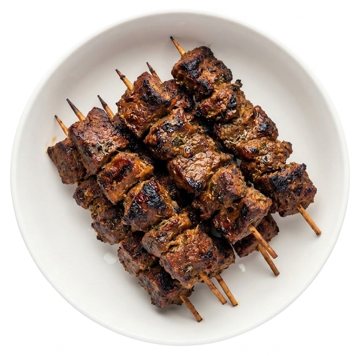
- Same: Rajasthani Boti Kebab also features twice-marinated cubed lamb seasoned with ginger, garlic, garam masala, vinegar, and butter.
- Different: Rajasthani Boti Kebab is skewered and roasted rather than pan-fried, incorporating pungent mustard oil, kasuri methi, and lemon juice while using much less ginger-garlic paste.
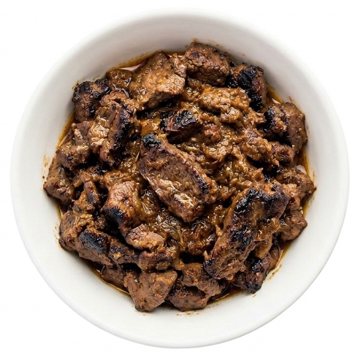
- Same: Both dishes feature twice-marinated lamb seasoned with ginger, garlic, garam masala, and white malt vinegar, finished with butter and oil or ghee.
- Different: Maans ke Soole is skewered and charcoal-grilled with boiled onion paste, cloves, and lemon juice instead of being pan-fried in a yogurt-based marinade.
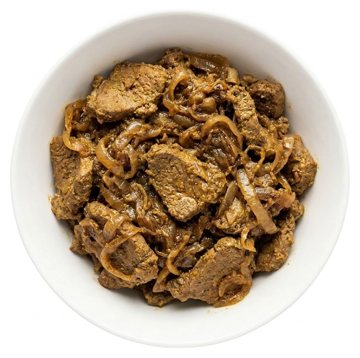
- Same: Tash Kebab and this dish both marinate boneless lamb in spiced yogurt with ginger paste, garlic paste, garam masala and chilli, then cook it gently with ghee.
- Different: Tash Kebab uses lime and saffron and steam-cooks the lamb between 1000 g onions, while this dish uses raw papaya paste and malt vinegar in a first marinade and pan-fries the lamb in oil or ghee with butter.

- Same: Adraki Chaamp also uses a double marinade based on plain yogurt, white malt vinegar, ginger paste, and garlic paste.
- Different: Adraki Chaamp uses bone-in chops roasted over open heat rather than pan-fried lamb cubes, adding large amounts of fresh ginger while omitting the butter and garam masala used in this dish.