Indian cooking
Yakhni (Aromatic Lamb in a Tasty Sauce)

Yakhni

Aromatic Lamb in a Tasty Sauce
Non-vegetarian●●●Origin Jammu and KashmirPrep 30 minutesCook 1¼–1¾ hours

A delicate Kashmiri curry of tender lamb pieces braised in a velvety yogurt sauce infused with warming whole cardamoms, cloves, and ginger. It is mildly spiced, rich, and finished with a fragrant herbal note from dried mint.

Garlic paste

5 gStirred into the cleared broth (step 2)
Keep as a smooth paste.

Stewing spices

22 gAdded to the pot with the yogurt and ghee (step 3)
04
0.4 g6 cloves
spice
05
6 g2 teaspoons
spice
06
0.9 g½ teaspoon
spice
Combine the whole pods and cloves with the ground spices in a bowl.

Finishing spices

1.3 gStirred in right before taking the pan off the heat (step 4)
01
1.1 g½ teaspoon
spice
02
0.2 g½ teaspoon
herb
Keep whole seeds and crushed dried mint together.

Everything else

01
750 g
meat
03
254 g250 ml
dairy
04
100 g
oil/fat
05
to taste
salt

Method

  1. Place 750 g lamb into a deep, heavy saucepan, cover generously with water, and bring to a rolling boil. Simmer for about 20 minutes, repeatedly skimming away any froth from the surface until the broth remains clear.
  2. Stir the garlic paste into the clear liquid and boil for 4 to 5 minutes. Season with salt to taste and continue cooking for 10 minutes until the meat is halfway tender.
  3. Add the stewing spices, 1 tablespoon boiled onion paste, 254 g plain yogurt, and 100 g ghee to the pot. Stir thoroughly, season with an additional pinch of salt, then cover, turn the heat down to low, and simmer for 45 to 60 minutes until the meat is fork-tender.
  4. Pour in 100 g mawal extract along with the finishing spices, stir gently to incorporate, and remove the pot from the heat to serve.

Don't have something?

Kashmiri chilli powder
  • Dried kashmiri chilli

    Grind deseeded dried pods to an equal weight of powder; gives identical vivid red colour and gentle warmth.

  • Red chilli powder

    Use 25% of the weight mixed with sweet paprika for colour; straight red chilli powder is substantially hotter and will make the dish fiery.

  • Chilli powder

    Use one-third of the weight; the sauce will be less intensely red and notably sharper in heat.

Dried mawal flower
  • Dried rose petals

    Use about half the weight, crushed. Gives a floral note but not mawal's colour or slight sourness.

  • Kashmiri red chilli powder

    Use about a quarter of the weight for colour. Adds mild heat and no floral note; add gradually.

  • Ground mace

    Use a small pinch, well under the recipe weight. Warm aromatic note only; not a true match.

Black cumin seed
  • Nigella seeds

    Use the same weight; in Indian cooking this is usually the same seed. Toast lightly if the recipe asks for toasted.

  • Kalonji seed

    Use the same weight; it is another name for nigella. Add whole or crush lightly.

  • Cumin seed

    Use about 75% of the weight and toast before use; the flavour is different, more warm and less onion-like.

Lamb shoulder, shank and chop
  • Lamb shoulder

    Use the same weight; use all shoulder. Allow 10 minutes longer and skim fat.

  • Lamb shank

    Use the same weight; allow 20–30 minutes longer until the shank is tender.

  • Lamb chop

    Use the same weight; much faster, so reduce cooking by 30–40 minutes.

Garlic paste
  • Garlic

    Use equal weight; crush or finely grate to a smooth pulp to replicate the same fresh, pungent moisture in your base gravy.

  • Garlic powder

    Use 20 to 25% of the weight; mix with a teaspoon of water before adding to oil so it does not burn, noting it lacks the fresh bite.

Green cardamom pod
  • Green cardamom seed

    Use 35 to 40% of the total pod weight; lightly bruise the seeds before frying in oil to release their essential oils.

  • Ground green cardamom

    Use 20 to 25% of the pod weight (about 1 generous pinch per pod); stir in toward the end of cooking so the delicate floral notes do not dissipate.

  • White cardamom pod

    Use 1:1 by pod count or weight; crack gently before using, though it is slightly less intensely floral.

Black cardamom pod
  • Ground black cardamom

    Use 0.5 g of ground seeds for each whole pod. Stir directly into the curry base; delivers identical smoky flavour without woody husks.

  • Green cardamom pod

    Use equal pod count or weight. Crack slightly and fry whole; tastes sweet, menthol-fresh, and floral rather than dark and smoky.

Clove
  • Ground cloves

    Use 1 g ground for 4 g whole (or 1 small pinch per 2 to 3 whole cloves). Add with spice powders; disperses intense warmth quickly, so use with restraint.

  • Allspice berries

    Use 100% of the weight whole in tempering. Imparts a warm, clove-like aromatic profile combined with hints of nutmeg and cinnamon.

  • Black cardamom pod

    Use 1 pod for 3 to 4 cloves in whole tempering. Shares a camphor-like warmth and medicinal depth, though it introduces a distinct smoky undertone.

Ground turmeric
  • Ground ginger

    Use 50% of the weight. Mimics turmeric's warm, earthy, rhizome background, but provides none of the golden-yellow colour.

  • Saffron

    Steep a tiny pinch (0.1 g per 2 g turmeric) in 2 tbsp warm water; use to match the rich golden hue. Contributes an aristocratic, honeyed floral flavour rather than earthy bitterness.

Ground ginger
  • Ginger paste

    Use 300% to 400% of the weight (e.g. 3–4 g paste for 1 g ground). Fry in oil alongside onions; provides a juicy, pungent kick rather than a dry, baking-spice heat.

  • Fresh ginger

    Peel and grate finely; use 300% to 400% of the weight. Add to the hot oil early; delivers bright, peppery warmth rather than the mellow, woody heat of dry ginger.

  • Ground mace

    Use 50% of the weight. Imparts a warm, spicy undertone in rich gravies, but lacks ginger's fiery, sharp zest.

Boiled onion paste
  • Onion paste

    Use the same weight, then simmer in a little water for 5–8 minutes and cool; raw paste is sharper and stronger.

  • Fried onion paste

    Use about 75% of the weight; it is sweeter, darker and stronger, so reduce salt and sugar slightly.

  • Boiled onion

    Use the same weight, boil until soft and blend; it is the same thing made fresh.

Plain yogurt
  • Yogurt

    Use equal weight, whisked thoroughly until smooth before adding to hot dishes to prevent curdling.

  • Coconut milk

    Use equal weight with 1 teaspoon lemon juice mixed in. Provides rich creaminess in curries, but adds a noticeable coconut flavour.

  • Single cream

    Use 80% of the weight plus a squeeze of lemon juice for acidity. Enriches sauces nicely, though it is richer and less tangy.

Ghee
  • Unsalted butter

    Use 120% of the weight; melt gently over low heat to avoid burning the milk solids, which will yield a softer, creamier richness rather than a nutty aroma.

  • Vegetable oil

    Use 85% of the weight; holds high cooking temperatures without smoking, but the final dish will lack traditional dairy depth.

  • Mustard oil

    Use equal weight; heat to smoking point and cool slightly before cooking, bearing in mind it introduces an assertive, pungent edge.

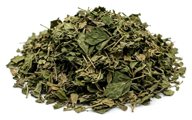
Dried mint
  • Mint

    Use 3 to 4 times the weight, finely chopped. Stir in towards the very end of cooking; provides a fresher, brighter herbal lift rather than deep, concentrated menthol.

  • Dried fenugreek leaves

    Use equal weight, crushed between your palms. Offers savoury, earthy bitterness rather than cooling mint, but works nicely in marinades and rich gravies.


Similar dishes

Tabak Maaz
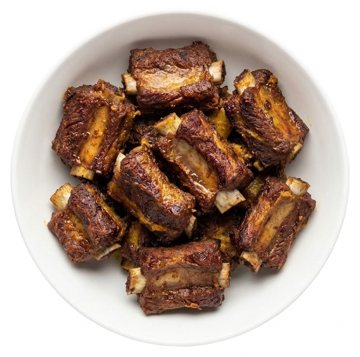
Deep-fried Spare Ribs
Tabak Maaz is crunchy, rich, and purely savory, lacking the tangy, herbal, and mild warmth of this dish's yogurt gravy.
  • Same: Tabak Maaz also prepares lamb using ghee, black cardamom, cloves, ginger, garlic, and turmeric.
  • Different: Tabak Maaz uses spare ribs that are simmered and deep-fried rather than braised, omitting this dish's yogurt, boiled onion puree, dried mint, green cardamom, black cumin, and Kashmiri chilli powder.
Gushtaba
Pounded Meatballs in Light Cardamom Sauce
Gushtaba tastes creamier, tangier, and distinctly of fennel, without the gentle chili heat and earthy turmeric notes of this dish.
  • Same: Gushtaba shares a ghee-enriched yogurt base spiced with green and black cardamom, cloves, ginger, and dried mint.
  • Different: Instead of whole braised lamb cooked with turmeric, garlic, black cumin, and chili powder, Gushtaba uses finely pounded meatballs poached in a much larger volume of yogurt flavored with ground fennel and fried onion paste.
Mutton Barra Kebab
Roasted Lamb Kebabs
Mutton Barra Kebab tastes much smokier, charred, and tangy from vinegar, whereas this dish is milder, richer, and aromatic with dried mint.
  • Same: Mutton Barra Kebab shares a lamb base seasoned with plain yogurt, garlic, black cumin seeds, green cardamom, and cloves.
  • Different: Instead of being braised into a curry with ghee, boiled onion paste, black cardamom, and mint, it is roasted over high heat with butter, white malt vinegar, and black rock salt.
Kan Guchhi
Spiced Morels
Kan Guchhi tastes earthy and mushroomy with a saffron-scented yogurt gravy and lingering warmth, whereas this dish tastes delicate and lamb-rich with a velvety yogurt sauce and dried mint.
  • Same: Kan Guchhi shares with this dish a Kashmiri-style mildly spiced yogurt gravy built with Kashmiri chilli, turmeric, garlic paste, ground ginger, green and black cardamom, clove, black cumin, onion paste, dried mint, and salt.
  • Different: Kan Guchhi uses dried morels as the main ingredient, vegetable oil instead of ghee, hung yogurt instead of plain yogurt, and adds saffron and cinnamon stick, while this dish uses lamb, dried mawal flower, and ghee.