
Muthapappu
A comforting South Indian vegetable and lentil curry bound with moong dal and ground dried coconut. It has an earthy, gently spiced flavour with a thick, satisfying consistency.
Curry spices
7 gAdded with the dal and coconut to the tender vegetables (step 3)Everything else

Method
- Place 100 g moong dal into a medium saucepan, cover generously with water, and simmer for 20 to 30 minutes until soft. Drain thoroughly and set aside.
- Place the vegetables (275 g trimmed pieces and 250 g cut pieces) into a separate pan, cover with water, season with salt to taste, and simmer for 8 minutes until tender but retaining some bite.
- Tip the drained dal, the curry spices, and 30 g dried coconut into the pan with the vegetables. Simmer over medium heat for several minutes until the liquid reduces into a thick sauce.
Don't have something?

 Red lentils
Use equal weight. It cooks in about the same time and breaks down to a similar soft, creamy consistency, though the colour will be slightly pinkish-orange.
 Pigeon peas
Use equal weight. Requires longer soaking and cooking time, and produces a slightly earthier, denser dal.


 Green bean
Use the same weight, top and tail, and cook the same way. Closest match.
 French bean
Use the same weight and trim; cooking time is the same.
 Cluster bean
Use the same weight, cut into similar lengths, and cook 2 minutes longer until tender.


 Bottle gourd
Use the same weight. Peel and deseed if large; cook 5 minutes longer. Similar bland, watery flesh.
 Snake gourd
Use the same weight. Peel and deseed; similar texture, slightly firmer.
 Ridge gourd
Use the same weight. Peel; firmer and holds shape better in curries.



 Coriander seeds
Dry-roast lightly in a pan and grind to a fine powder; use equal weight (1:1). Offers a noticeably fresher, brighter citrus note.
 Ground cumin
Use 50% to 75% of the weight. Lacks the floral, citrusy profile of coriander and turns the gravy heavier, earthier, and darker.
 Garam masala
Use 50% of the weight and stir in near the end of cooking. Adds warmth and depth since it contains ground coriander, but introduces stronger spices like clove and cinnamon.


 Cornflour
Use about 60–70% of the weight for thickening; for coatings use the same weight but the crust is denser.
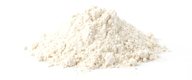 Plain flour
Use the same weight for coatings; contains gluten, browns faster and is less crisp.
 Fine semolina
Use the same weight for crisp coatings; coarser texture and needs a short rest.


 Red chilli powder
Use 100% of the weight. Provides direct, sharp heat and red colour in equal measure.
 Kashmiri chilli powder
Use 150% to 200% of the weight if matching colour, but add a pinch of black pepper or hot chilli if you need equivalent fiery heat.
 Cayenne pepper
Use 75% to 100% of the weight. Offers a sharp, clean heat with slightly less earthy depth and less crimson colour.


 Ground mustard seed
Use equal weight. Finely grind whole black or yellow mustard seeds in a spice grinder; yellow gives milder heat, black gives stronger pungency.
 Mustard seeds
Use equal weight, crushed to a paste with a splash of water using a pestle and mortar. Adds a similar sharp bite.


 Ground ginger
Use 50% of the weight. Mimics turmeric's warm, earthy, rhizome background, but provides none of the golden-yellow colour.
 Saffron
Steep a tiny pinch (0.1 g per 2 g turmeric) in 2 tbsp warm water; use to match the rich golden hue. Contributes an aristocratic, honeyed floral flavour rather than earthy bitterness.


 Garlic powder
Use double the weight. Stir into hot oil just before adding wet ingredients; mimics the allium savoury background without the sulphurous edge.
 Garlic paste
Use 2 g for every 0.5 g of asafoetida. Sauté in oil until the raw smell clears; adds moisture and sweet allium depth.


 Desiccated coconut
Use equal weight; texture is much finer, so roast very cautiously over low heat if the recipe requires browning for spice pastes.
 Fresh coconut
Finely slice or grate and use 140% of the weight to offset the extra water, or dry-roast in a bare pan until moisture evaporates completely.

Similar dishes

- Same: Uppu Vada also features lentils, coconut, and asafoetida.
- Different: Instead of simmering moong dal with coriander, chilli, mustard, and turmeric into a curry, Uppu Vada mixes urad dal with sesame seeds, fresh coconut, and butter to form balls deep-fried in vegetable oil.

- Same: Both dishes are built around moong dal and seasoned with turmeric, chilli powder, and asafoetida.
- Different: Sookhi Mangori turns the lentils into dried dumplings cooked in ghee with onion, garlic, ginger, tomatoes, and garam masala, whereas this dish cooks whole dal with dried coconut, ground coriander, and mustard powder.

- Same: Tengaipal Pitha Kotu also uses moong dal as its lentil base, flavoured with coconut, turmeric, and asafoetida.
- Different: Instead of ground dried coconut and ground coriander, Tengaipal Pitha Kotu uses liquid coconut milk, sambar masala, and a ghee tempering of mustard seeds, cumin, urad dal, dried chilli, and curry leaves.
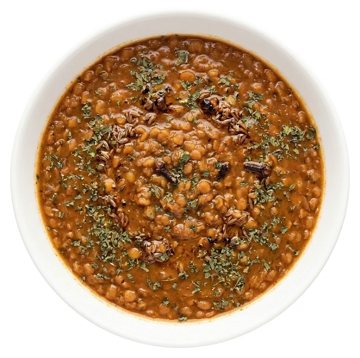
- Same: Both are lentil dishes seasoned with ground coriander, chilli powder, turmeric, and asafoetida.
- Different: Masoor ki Dal uses masoor dal cooked in rice water and finished with a tarka of ghee, ginger, cumin seeds, and cloves, omitting the moong dal, dried coconut, and mustard powder used in this dish.