Indian cooking
Indian cooking / Dishes / Kadalaparippu Payasam
Kadalaparippu Payasam (Chana Dal Dessert)

Kadalaparippu Payasam

Chana Dal Dessert
VegetarianOrigin KeralaPrep 45 minutesCook 1 hour

A rich South Indian sweet pudding of split chickpeas simmered in spiced jaggery syrup and layered coconut milk. Crisp toasted coconut, plump raisins, and cashews add crunch to the velvety, cardamom-scented base.

Finishing spice

1.1 gStirred in with the coconut cream (step 4)
01
1.1–1.4 g6–8 pods
spice
Grind to a fine powder.

Everything else

01
500 g
sweetener
02
2.5 g½ teaspoon
souring agent
03
125 g
oil/fat
04
Chana dalrinsed and drained
500 g
legume
07
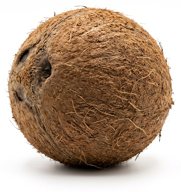
400 g1 coconut
fruit
08
27 g3 tablespoons
fruit
09
18 g2 tablespoons
nut/seed

Method

  1. Combine 500 g jaggery with 500 ml water in a heavy saucepan over low heat, stirring until completely dissolved. Raise the heat to a boil, skimming off any froth, and cook until the syrup reaches a single-thread stage, then stir in 2.5 g lime juice and set aside.
  2. Melt 15 g of the 125 g ghee in a large pot over medium heat, stir in 500 g chana dal, and fry for 3–4 minutes until lightly browned. Pour in the prepared jaggery syrup and 500 ml water, bring to a boil, then simmer over medium heat for 30 minutes.
  3. Stir in about 80 g of the remaining ghee and continue simmering on medium heat until the mixture breaks down into a thick porridge. Take the pan off the heat and stir in 625 g of the 1420 g coconut milk. Return to a boil until slightly thickened, then add the rest of the coconut milk and bring back to a boil, stirring constantly.
  4. Pour in 500 g coconut cream, add the finishing spice, and immediately remove the pan from the heat.
  5. Melt the remaining ghee in a frying pan over medium heat. Fry 400 g grated coconut for 1–2 minutes until golden brown, then transfer to a small bowl. In the remaining fat, fry 3 tablespoon raisins for 1–2 minutes until plump, remove, then fry 2 tablespoon cashew nut for about 2 minutes until golden. Fold the fried coconut, raisins, and cashews into the payasam to serve.

Don't have something?

Jaggery
  • Granulated sugar

    Use 80% of the weight. Granulated sugar is sweeter by weight, but gives a cleaner, one-dimensional sweetness that lacks jaggery's caramel, molasses depth.

  • Raisin

    Soak and blend into a paste; use 100% to 120% of the weight. Adds rich, natural, fruity sweetness with complex, dark molasses notes that thicken the gravy.

Lime juice
  • Lemon juice

    Use equal volume or weight; slightly sweeter and less pungent, but otherwise an imperceptible swap.

  • Dried mango powder

    Use 25% of the weight; imparts dry, fruity sourness, best stirred in right at the end of cooking.

  • Tamarind extract

    Use 50% of the weight; delivers pleasant fruity tang but turns pale sauces considerably darker.

Ghee
  • Unsalted butter

    Use 120% of the weight; melt gently over low heat to avoid burning the milk solids, which will yield a softer, creamier richness rather than a nutty aroma.

  • Vegetable oil

    Use 85% of the weight; holds high cooking temperatures without smoking, but the final dish will lack traditional dairy depth.

  • Mustard oil

    Use equal weight; heat to smoking point and cool slightly before cooking, bearing in mind it introduces an assertive, pungent edge.

Chana dal
  • Yellow split peas

    Use 100% of the weight. Soak for at least 1 hour; takes about 10 minutes longer to cook through and has a marginally earthier flavour.

  • Pigeon peas

    Use 100% of the weight. Reduces cooking time by about 10 minutes and breaks down softer, giving a smoother consistency rather than distinct grains.

  • Black gram

    For tempering or tadka only: use 70% of the weight. Browns faster in hot oil, providing a nutty, crunchy bite.

Coconut milk
  • Single cream

    Use equal weight; simmer gently over low heat to prevent curdling. Imparts a comparable rich texture, though it adds dairy richness without any coconut fragrance.

  • Cashew paste

    Whisk 1 part cashew paste with 2 parts water to match the consistency, then use equal weight. Provides a thick, velvety body without coconut flavour.

  • Whole milk

    Use equal weight, but reduce other cooking liquids by 20% to compensate for the lower viscosity. The curry will be lighter and lack sweetness.

Coconut cream
  • Coconut milk

    Use 1.25 times the weight and simmer to reduce back to the original weight; it is thinner and less rich.

  • Coconut, fresh or desiccated

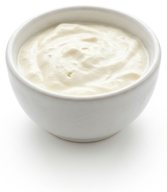
    For 100 g cream, blend 60 g fresh coconut or 40 g desiccated coconut with 60 g hot water, then strain; use the thick top layer.

  • Cream

    Use the same weight for a dairy version; it lacks coconut flavour but gives similar richness.

Green cardamom pod
  • Green cardamom seed

    Use 35 to 40% of the total pod weight; lightly bruise the seeds before frying in oil to release their essential oils.

  • Ground green cardamom

    Use 20 to 25% of the pod weight (about 1 generous pinch per pod); stir in toward the end of cooking so the delicate floral notes do not dissipate.

  • White cardamom pod

    Use 1:1 by pod count or weight; crack gently before using, though it is slightly less intensely floral.

Coconut
  • Fresh coconut

    Use equal weight freshly grated or diced. Delivers the identical sweet, milky taste and juicy texture.

  • Desiccated coconut

    Use 60% of the weight and soak in hot water or milk for 15 minutes before using. The finished dish will be slightly sweeter and less fibrous.

  • Dried coconut

    Finely grate and use 50% of the weight, soaked in hot water for 20 minutes. Yields a firmer chew and a denser, oilier coconut aroma.

Raisin
  • Dried plum

    Use equal weight, pitted and finely chopped. Lends a deeper, slightly more tart sweetness to curries and rice dishes.

  • Cashew nut

    Use equal weight. Fry lightly in ghee until golden; substitutes the burst of sweetness with a rich, buttery crunch.

  • Jaggery

    Use 30% of the weight, finely grated. Dissolve straight into the sauce to match the intended sweetness, though without the fruity chew.

Cashew nut
  • Almond

    Use 100% of the weight. Soak in boiling water and slip off skins before frying or grinding; gives a lighter, slightly less sweet richness to curries.

  • Poppy seed

    Use 60% of the weight for gravies. Soak in warm water and grind into a fine paste to thicken royal kormas without adding heavy oiliness.

  • Shelled peanut

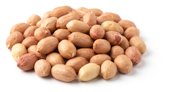
    Use 100% of the weight. Roast, skin, and grind; creates a thicker, earthier texture typical of Maharashtrian and western Indian curries.

Similar dishes

Parippu Payasam
Green Moong Dal Flavoured with Coconut Milk
Parippu Payasam tastes intensely sweeter and toastier from the roasted moong dal and higher jaggery ratio, lacking the faint citrus tang of this dish.
  • Same: Parippu Payasam shares a base of dal simmered in jaggery and coconut milk with ghee, green cardamom, and cashews.
  • Different: Parippu Payasam uses roasted green moong dal instead of chana dal and omits the toasted fresh coconut pieces and lime juice used in this dish.
Paruppu Payasam
Sweet Moong Dal & Cashew Pudding with Cardamom & Jaggery
Paruppu Payasam tastes creamier and lighter than this dish, with less coconut richness and no crunchy toasted coconut, raisin, or lime-accented jaggery depth.
  • Same: Paruppu Payasam shares with this dish a South Indian sweet pudding style built on dal, jaggery, coconut milk, cardamom, and cashews.
  • Different: Paruppu Payasam uses moong dal instead of chana dal, far less coconut milk with no coconut cream or fresh coconut, no raisins or lime juice, butter or ghee plus vegetable oil instead of all ghee, and adds clove.
Bengali Cholar Dal
Creamy Dal with Cardamom & Coconut
Bengali Cholar Dal tastes soft, mildly sweet and aromatic with gentle chilli warmth, while this dish is a rich, sweet, cardamom-scented pudding.
  • Same: Bengali Cholar Dal shares chana dal, coconut, raisins, green cardamom and a ghee-based finish with this dish.
  • Different: Bengali Cholar Dal is boiled in water with turmeric, clove, bay leaf, cumin, bird's-eye chilli, coriander, cinnamon and Kashmiri chilli, and it lacks this dish's jaggery, lime juice, coconut milk, coconut cream, cashews and large amount of ghee.
Goan Dalicha Ras
Spicy Turmeric Dal with Sichuan Pepper
Goan Dalicha Ras is tangy, chilli-hot, and pepper-tingling, while this dish is sweet and cardamom-scented with rich coconut.
  • Same: Goan Dalicha Ras shares with this dish a dal base and coconut, and both are simmered.
  • Different: Goan Dalicha Ras uses toor dal, tamarind paste, turmeric, chilli powder, and crushed Sichuan pepper, and lacks this dish's jaggery, ghee, coconut milk, cardamom, raisins, and cashews.