Indian cooking
Indian cooking / Dishes / Mahi Tikka Ajwaini
Mahi Tikka Ajwaini (Thyme-flavoured Fish)

Mahi Tikka Ajwaini

Thyme-flavoured Fish
Non-vegetarian●●●Origin PunjabPrep 30 minutes, plus marinating timeCook 15 minutes

Tender cubes of fish infused with a double marinade of lemon, carom seeds, mustard oil, and spiced hung yoghurt. The skewers are roasted until lightly charred, smoky, and fragrant with ajwain.

marinade spice paste

60 gDivided between the first and second marinades (steps 1 and 2)
Stir together into a uniform paste.

second marinade spice

3.9 gWhisked into the yoghurt mixture (step 2)
01
3.9 g½ tablespoon
spice blend
Keep ground; add directly to the yoghurt.

Everything else

01
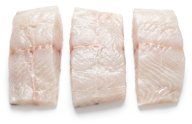
Firm white fish fillet · Machhlitrimmed and cut into bite-sized cubes
1000 g
fish
03
to taste
dairy
04
to taste
salt
05
20 g4 teaspoons
souring agent
06
Chana dalroasted and ground
13 g1 tablespoon
legume
07
40 g3 tablespoons
oil/fat
08
to taste
other

Method

  1. In a shallow dish, combine 20.4 g lemon juice, salt to taste, and half of the marinade spice paste. Add 1000 g fish cubes, massaging the mixture thoroughly into the flesh. Cover and chill in the refrigerator for 30 minutes.
  2. Whisk 300 g hung yoghurt in a mixing bowl until completely smooth. Blend in the remaining marinade spice paste, the second marinade spice, 12.6 g roasted and ground chana dal, and a pinch of salt. Warm 40.5 g mustard oil in a pan until hot, take off the heat, and immediately whisk it into the spiced yoghurt.
  3. Gently press each piece of fish between your palms to squeeze out excess moisture, then submerge the pieces in the yoghurt marinade, turning to coat evenly. Cover and refrigerate for 2 hours.
  4. Prepare a charcoal grill or tandoor for moderate heat, or preheat a conventional grill (broiler) to medium. Thread the fish onto metal skewers, leaving 2.5 cm (1 inch) gaps between the cubes, and brush with any excess yoghurt mixture.
  5. Roast the skewers over the coals or under the grill for 6 to 8 minutes, turning occasionally, until the fish is just cooked through.
  6. Hang or prop the skewers over a rimmed tray for 5 minutes to drain off excess moisture. Place them in a roasting pan, brush with melted butter to taste, and grill for another 3 minutes until sizzling and lightly browned. Serve hot alongside salad and chutney to taste.

Don't have something?

Firm white fish fillet
  • Firm white fish

    Use the same weight, clean and cut into fillet-sized pieces. Cooking time is the same; remove any bones.

  • Firm fish fillet

    Use the same weight. Check thickness; thick pieces may need 2–3 minutes more simmering.

  • Skinless firm white fish fillet

    Use the same weight. Skinless flakes more; handle gently and add late.

Hung yoghurt
  • Hung natural yoghurt

    Use the same weight. The names are used interchangeably; check seasoning.

  • Greek yoghurt

    Use the same weight. It is thick enough for marinades and raitas, with a slightly sharper taste.

  • Full-fat natural yoghurt

    Use about 175% of the weight and strain through muslin for 3–4 hours to get the same thick weight.

Melted butter
  • Melted ghee

    Use the same weight; nuttier and keeps better. Reduce salt if the butter was salted.

  • Vegetable oil

    Use 80% of the weight; no dairy flavour and less richness. Good for frying, less good for finishing.

  • Melted unsalted butter

    Use the same weight; adjust salt in the dish if your butter was salted.

Lemon juice
  • Lime juice

    Use equal volume or weight; delivers almost identical sharp acidity with a faintly more aromatic, bitter-edged profile.

  • Dried mango powder

    Use 25% of the weight (about 1 g amchoor for 4 g juice); provides clean fruity tartness without thinning the sauce.

  • White vinegar

    Use 75% of the volume; gives direct sourness without any citrus floral fragrance.

Ginger paste
  • Fresh ginger

    Use equal weight; peel and grate very finely on a microplane or pound to a fine paste in a mortar.

  • Ginger

    Use equal weight; mince finely and crush with the flat of a knife before frying.

  • Ground ginger

    Use 20% of the weight; add directly with the dry spice powders, though it yields an earthier, less pungent profile.

Garlic paste
  • Garlic

    Use equal weight; crush or finely grate to a smooth pulp to replicate the same fresh, pungent moisture in your base gravy.

  • Garlic powder

    Use 20 to 25% of the weight; mix with a teaspoon of water before adding to oil so it does not burn, noting it lacks the fresh bite.

Yellow chilli powder
  • Green chilli

    Use 100% of the weight, finely minced or ground into a smooth paste. Provides sharp heat while preserving the light colour of delicate kormas.

  • Kashmiri chilli powder

    Use 50% to 75% of the weight. It brings mild heat but will turn pale or white sauces noticeably orange-red.

  • Red chilli powder

    Use 50% of the weight. Gives strong, sharp heat, but will stain cream-based or yellow Mughlai gravies red.

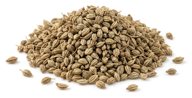
Ajwain seed
  • Carom seed

    Use the same weight; this is the same spice.

  • Cumin seed

    Use 75% of the weight, toasted; different, less medicinal flavour.

  • Fennel seed

    Use 50% of the weight, crushed; sweeter and milder.

Ground turmeric
  • Ground ginger

    Use 50% of the weight. Mimics turmeric's warm, earthy, rhizome background, but provides none of the golden-yellow colour.

  • Saffron

    Steep a tiny pinch (0.1 g per 2 g turmeric) in 2 tbsp warm water; use to match the rich golden hue. Contributes an aristocratic, honeyed floral flavour rather than earthy bitterness.

Garam masala
  • Ground cumin

    Use 50% of the weight mixed with equal parts ground coriander and a pinch of ground cinnamon, ground cloves, and ground green cardamom. Sprinkle near the end for a warming finish.

  • Lentil stew spice mix

    Use 75% of the weight. Simmer briefly in the gravy; imparts roasted warmth and complexity, though it adds a slight tang and earthy lentil undertone.

Chana dal
  • Yellow split peas

    Use 100% of the weight. Soak for at least 1 hour; takes about 10 minutes longer to cook through and has a marginally earthier flavour.

  • Pigeon peas

    Use 100% of the weight. Reduces cooking time by about 10 minutes and breaks down softer, giving a smoother consistency rather than distinct grains.

  • Black gram

    For tempering or tadka only: use 70% of the weight. Browns faster in hot oil, providing a nutty, crunchy bite.

Mustard oil
  • Peanut oil

    Use equal weight. It handles high-heat cooking well, but lacks the signature pungent, nasal heat of mustard oil.

  • Vegetable oil

    Use equal weight. Neutral in flavour, so your curry will lack the characteristic Bengali or North Indian pungent punch.

Salad
  • Green salad

    Use the same weight. Toss with lemon juice and salt just before serving so it stays crisp.

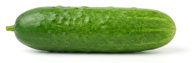
  • Cucumber

    Use the same weight, sliced. It gives a fresher, wetter side than a mixed salad.

  • Onion ring

    Use the same weight, soaked in cold water for 5 minutes and drained. It adds sharpness rather than leafiness.

Mango chutney
  • Mango pickle with jaggery

    Use 75% of the weight and chop finely; it is hotter and saltier, so add a little sugar to bring it back to chutney sweetness.

  • Date and tamarind chutney

    Use the same weight; sweeter and more tamarind-sour, less fruity. Thin with a spoon of water if needed.

  • Canned mango pulp

    Use 100 g pulp for 100 g chutney, then add 15 g sugar and a pinch of red chilli powder; simmer 5 minutes to a jammy consistency. Fresher and less spiced.


Similar dishes

Bhunee Machhali
Grilled (Broiled) Trout
Lacking the distinct herbal bitterness of ajwain and the sweet chutney accompaniment of this dish, Bhunee Machhali offers a creamier, more mildly spiced, and straightforwardly tangy flavour.
  • Same: Both dishes double-marinate fish in mustard oil, yogurt, lemon juice, ginger, garlic, turmeric, yellow chilli powder, and garam masala before grilling until smoky and charred.
  • Different: Bhunee Machhali calls for whole trout rather than skewered fish cubes, uses significantly more yogurt, and omits the ajwain seeds, chana dal, and sweet mango chutney used in this dish.
Samudri Seekh
Seafood Skewers
Samudri Seekh tastes fresher and hotter from green chilli and coriander, with prawn sweetness and cream, rather than this dish's lemony yoghurt tang, mustard-oil pungency, and ajwain aroma.
  • Same: Samudri Seekh shares firm white fish, ginger paste, garlic paste, salt, skewered seafood cooking, and a melted-butter finish with this dish.
  • Different: Samudri Seekh adds prawns, green chilli, coriander leaf, white pepper, and cream, but lacks this dish's hung yoghurt, lemon juice, mustard oil, ajwain, turmeric, yellow chilli, garam masala, and chana dal, and it is a minced seekh rather than cubed fish in a double marinade.
Machhali ka Salan
Curried Fish from Hyderabad
It tastes tangy from tamarind and creamy from coconut milk with sweet onion and tomato, while this dish tastes smoky, tart, and strong with ajwain and mustard oil.
  • Same: It shares firm white fish, turmeric, ginger paste, garlic paste, chilli powder, and salt with this dish.
  • Different: It is a vegetable-oil curry with onion, tomato, tamarind, and coconut milk, while this dish is a hung-yoghurt-marinated fish skewer with mustard oil, ajwain, chana dal, lemon, and butter.
Ambat Dahyatil Machhi
Fried Soured Cream Fish
Ambat Dahyatil Machhi tastes crispier, tangier, and mildly peppery, lacking the smoky char, sharp mustard punch, and aromatic ajwain flavour of this dish.
  • Same: Ambat Dahyatil Machhi shares with this dish a base of fish marinated with ginger paste, garlic paste, and cultured dairy.
  • Different: Ambat Dahyatil Machhi is seasoned with black pepper, dusted in rice flour, and deep-fried in vegetable oil, whereas this dish is roasted on skewers using mustard oil, lemon juice, ajwain, turmeric, and yellow chilli powder.