
Kairi ki Mhithi Chutney
A sweet, pungent raw mango preserve flavoured with warming whole spices, mustard, and chilli. It balances tart fruit against aromatic spiced oil, developing complexity as it cures.
Tempering masala
1.8 gGround with the curry leaves (step 1)Chutney spices
57 gBloomed in hot oil (step 3)Everything else

Method
- Pulse the tempering masala and 0.5 g curry leaf in a dry blender or spice mill until finely ground, then set aside.
- Place the diced green mango pieces into a wide mixing bowl and mix in 139 g salt and 2 g fresh ginger.
- Warm 1 tablespoon of oil in a sturdy saucepan set over medium heat. Tip in the chutney spices and sugar, stirring constantly for about 1 minute until aromatic.
- Pour half of this warm spiced oil onto the mangoes and toss well to coat, then pack the fruit into clean, sterilised jars.
- Scatter the ground tempering mixture over the top and spoon in the rest of the spiced oil.
- Fasten the lids securely and allow the jars to cure undisturbed for 3 days.
- On the third day, place the jars under direct sun or in a warm spot for 2 hours. Ensure the lids remain sealed, invert each jar once to redistribute the spices, return them upright, and keep in a cool pantry.
Don't have something?


 Raw mango
Use the same weight; peel and slice as needed. Adjust salt or sugar if it is slightly riper.
 Unripe mango
Use the same weight; peel and grate or slice. Very close, but check sourness.
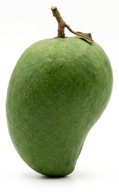 Sour green mango
Use the same weight; peel and deseed. Sharper, so taste before adding extra amchoor or lime.


 Mustard oil
Use the same weight. Heat until smoking, then cool for 2 minutes before cooking; it is pungent and changes the flavour strongly.
 Groundnut oil
Use the same weight. It is neutral, so add 1 tsp toasted sesame seeds for aroma.
 Vegetable oil
Use the same weight. It is neutral and lacks sesame flavour; finish with a few drops of toasted sesame oil if you have it.


 Red chilli powder
Use 100% of the weight. Provides direct, sharp heat and red colour in equal measure.
 Kashmiri chilli powder
Use 150% to 200% of the weight if matching colour, but add a pinch of black pepper or hot chilli if you need equivalent fiery heat.
 Cayenne pepper
Use 75% to 100% of the weight. Offers a sharp, clean heat with slightly less earthy depth and less crimson colour.


 Ground mustard seed
Use equal weight. Finely grind whole black or yellow mustard seeds in a spice grinder; yellow gives milder heat, black gives stronger pungency.
 Mustard seeds
Use equal weight, crushed to a paste with a splash of water using a pestle and mortar. Adds a similar sharp bite.


 Turmeric paste
Use 3–4 times the weight; dilute with water. Fresher and wetter, so reduce other liquid slightly.
 Ground turmeric
Use the same weight; identical if fresh. No change.


- Mustard seed
Use 50% of the weight, crush or grind. Sharper heat and less maple-bitter; fry briefly in oil before adding.
 Caraway seeds
Use the same weight, crush lightly. Similar bitter-seed note but more aniseed; reduce other sweet spices slightly.
 Ajwain seeds
Use 25–30% of the weight, crush. Much stronger thyme-like flavour; do not overdo.


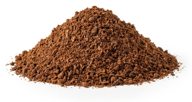 Ground allspice
Use 1.5–2 times the weight; it has a similar warm pungency but is milder and rounder, so the dish loses clove’s sharp medicinal heat.
 Ground cinnamon (cassia)
Use the same weight; it gives warmth but is sweeter and lacks clove’s strength, so use only if the amount is small.


 Ginger paste
Use equal weight. Sauté in hot fat until the raw allium smell disappears; slightly wetter, but provides identical warmth and pungency.
 Ground ginger
Use 20% to 25% of the weight (1 g for every 4 to 5 g fresh). Stir into the gravy; adds peppery heat and warmth, though it misses the crisp, zesty kick of raw root.


 Caster sugar
Use the same weight and grind to a fine powder in a dry blender. Add 3% cornflour by weight if you need it to stay powdery.
 Granulated sugar
Use the same weight and grind in small batches until fine. It is coarser and may feel gritty in uncooked icings.
 Sugar candy
Use the same weight and grind to a powder. It is harder to grind and gives a slightly crunchier result.


 Dried kashmiri chilli
Use equal weight whole. Fry in hot oil or ghee as tempered spice; gives a richer red colour with slightly milder heat.
- Red chilli powder
Use 50% to 70% of the weight. Stir into the oil with ground spices; distributes heat evenly throughout the dish without whole chilli skins.

 Black mustard seed
Use the same weight. The seeds are smaller and hotter; fry in hot oil until they pop, about 20–30 seconds, and reduce the heat if they darken too fast. The dish will be a little sharper.
 Yellow mustard seeds
Use the same weight. They are milder and larger; fry a few seconds longer until they pop. The finished dish will have less pungency.
- Ground mustard seed
Use 70% of the weight of whole seed, added with the other ground spices rather than fried whole. You lose the popping texture and the heat comes through more evenly.


 Bay leaf
Fry 1 bay leaf for every 5 curry leaves in hot oil; imparts a warm, woodsy background note, but misses the citrus-sulphury punch entirely.
 Lime juice
Add a small squeeze (about 5 ml per sprig of curry leaves) right before serving; provides sharp citrus top notes without the toasty, herbal aroma.

Similar dishes

- Same: Kairi ki Chutney also uses raw green mango seasoned with chilli powder, dried red chillies, fenugreek seeds, and both ground and whole mustard seeds.
- Different: Unlike this dish, Kairi ki Chutney adds turmeric, asafoetida, and a fried tempering of chana dal and urad dal in vegetable oil, while leaving out the ginger, ground cloves, and curry leaves.

- Same: Both recipes preserve tart raw green mango seasoned with mustard and fenugreek.
- Different: Avakk uses massive amounts of mustard seeds steeped under oil and omits the fresh ginger, curry leaves, and ground cloves used in this dish.
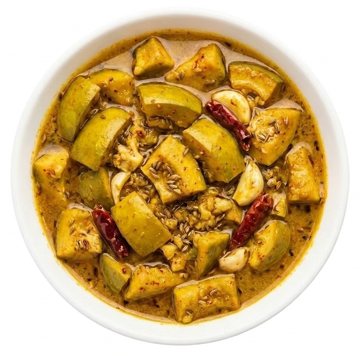
- Same: Aam ka Achar and this dish both cure raw green mango with salt, red chilli, mustard seed, fenugreek seed, and sesame oil.
- Different: Aam ka Achar adds lime juice, large amounts of garlic, kalonji, cumin, and coriander seeds, while this dish adds icing sugar, mustard powder, turmeric, clove, ginger, curry leaf, and much more salt.

- Same: Both dishes use raw green mango as the primary sour ingredient, seasoned with mustard seeds, fenugreek seeds, curry leaves, and chilli powder.
- Different: Kairi ki Karhi is a simmered curry built on a base of yogurt, chickpea flour, onion, garlic, and turmeric, whereas this dish is a cured fruit preserve seasoned with mustard powder, cloves, and fresh ginger.