Indian cooking
Indian cooking / Dishes / Dum ka Murg
Dum ka Murg (Baked Masala Chicken with Hard-boiled Eggs & Potatoes)

Dum ka Murg

Baked Masala Chicken with Hard-boiled Eggs & Potatoes
Non-vegetarian●●●Origin AwadhPrep 1 hour, plus marinating timeCook 1 hour

A rich Mughlai-style whole chicken baked gently in a sealed pot with pureed browned onions, yoghurt, and fragrant whole spices. The dish is mild yet deeply savoury, yielding fall-apart tender meat cloaked in a luxurious sauce.

First marinade masala

2.6 gStirred with the papaya milk in the initial tenderising rub (step 2)
01
2.6 g1 teaspoon
spice
Leave as a loose ground powder ready for mixing.

Fried masala

6 gStirred into the hot ghee with aromatics (step 4)
01
2.6 g1 teaspoon
spice blend
02
2.6 g2 pieces
spice
04
0.3 g4 cloves
spice
Keep the cinnamon stick, cardamom pods, and cloves whole alongside the ground spice mix.

Everything else

01
15 g1 tablespoon
dairy
03
Chicken · Murghmedium-sized, without skin
1200 g1 chicken
poultry
04
Gheemelted
250 g
oil/fat
05
450 g3 onions
vegetable
06
6 g1 tablespoon
aromatic
07
9 g1 tablespoon
aromatic
09
100 g2 limes
fruit
10
to taste
salt

Method

  1. Submerge 0.5 teaspoon saffron in 15.3 g milk and set aside to steep.
  2. Combine 0.3 g raw papaya milk with the first marinade masala and salt to taste. Smear this paste all over 1200 g chicken, skinless. Cover and chill for 1 hour, taking it out every 15 minutes to prod the meat with a fork and reapply the juices.
  3. Melt half of the 250 g ghee in a heavy pot over medium heat. Fry 450 g onion, sliced, for 5 to 7 minutes until deeply golden, then transfer to a blender and blitz to a paste.
  4. Drop 6 g fresh ginger, chopped, and 1 tablespoon garlic, chopped, into the pan residue and sauté for 1 minute. Tip in the fried masala and stir-fry for roughly 1 minute until fragrant and the fat rises to the top.
  5. In a wide mixing bowl, stir together the blitzed onions, the contents of the pan, and 1000 g yoghurt, seasoning with salt to taste. Rub this thick paste thoroughly over the bird, working plenty into the interior. Cover and refrigerate for 4 hours.
  6. Heat the oven to 180°C (350°F). Sit the chicken inside a deep roasting pan, then drizzle over the infused saffron milk, the remaining 125 g ghee (splashing some into the cavity), and the juice of 2 limes.
  7. Fit a snug lid over the pan and bake for approximately 1 hour, occasionally turning the meat and basting with cooking juices. Test doneness by sticking a skewer into the thickest area; once the juices flow clear, move the bird to a serving dish and present whole.

Don't have something?

Saffron thread
  • Saffron powder

    Use the same weight; it disperses faster, so no steeping is needed. Add directly to warm milk or oil.

  • Ground turmeric

    Use a tiny pinch for colour only, about 1 g for 0.2 g saffron. It will not give saffron flavour.

  • Screwpine water or rosewater

    Use 1 tsp for a floral scent only. It does not replace saffron's colour or taste.

Milk
  • Whole milk

    Use equal weight; provides the standard rich dairy fat and body expected in creamy Indian bases.

  • Single cream

    Dilute 3 parts cream with 1 part water to match the weight; yields a richer, glossier gravy that resists curdling.

  • Plain yogurt

    Whisk thoroughly and use equal weight; adds extra body and a mild pleasant acidity, best added off the heat.

Raw papaya milk
  • Raw papaya paste

    Use the same weight; blend fresh raw papaya. Weaker tenderising effect, so marinate a little longer.

  • Green papaya paste

    Use the same weight; blend fresh green papaya. Similar but often weaker than latex.

  • Vinegar

    Use about 1 tbsp per 500 g meat; acid tenderises differently and changes the flavour, so use only if the marinade suits it.

Chilli powder
  • Red chilli powder

    Use 100% of the weight. Provides direct, sharp heat and red colour in equal measure.

  • Kashmiri chilli powder

    Use 150% to 200% of the weight if matching colour, but add a pinch of black pepper or hot chilli if you need equivalent fiery heat.

  • Cayenne pepper

    Use 75% to 100% of the weight. Offers a sharp, clean heat with slightly less earthy depth and less crimson colour.

Chicken
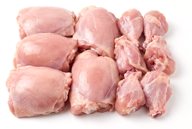
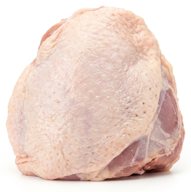
  • Turkey thigh

    Use 100% of the weight, cut into equivalent bone-in or boneless pieces. Simmer for an extra 5 to 10 minutes; flavour and texture are very similar.

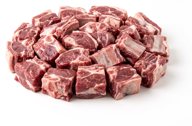
  • Lamb

    Use 100% of the weight. Cut into bite-sized pieces and extend simmering time by 35 to 50 minutes, adding extra liquid to allow the meat to tenderise.

Ghee
  • Unsalted butter

    Use 120% of the weight; melt gently over low heat to avoid burning the milk solids, which will yield a softer, creamier richness rather than a nutty aroma.

  • Vegetable oil

    Use 85% of the weight; holds high cooking temperatures without smoking, but the final dish will lack traditional dairy depth.

  • Mustard oil

    Use equal weight; heat to smoking point and cool slightly before cooking, bearing in mind it introduces an assertive, pungent edge.

Onion
  • Shallot

    Use equal weight, finely sliced. Shallots soften and brown faster, giving a slightly sweeter and more delicate base to curries.

  • Cabbage

    Use 80% of the weight, finely shredded and browned slowly with a pinch of asafoetida. Replicates the bulk and natural sweetness in gravies without allium.

Fresh ginger
  • Ginger paste

    Use equal weight. Sauté in hot fat until the raw allium smell disappears; slightly wetter, but provides identical warmth and pungency.

  • Ground ginger

    Use 20% to 25% of the weight (1 g for every 4 to 5 g fresh). Stir into the gravy; adds peppery heat and warmth, though it misses the crisp, zesty kick of raw root.

Garlic
  • Garlic paste

    Use equal weight. Fry gently in oil or ghee with the ginger; incorporates smoothly into curries without visible minced bits.

  • Garlic powder

    Use 15% to 20% of the weight (about 1 g for every 5 to 6 g fresh cloves). Whisk into sauces; gives a savoury, toasted garlic flavour without raw pungency.

  • Shallot

    Use 1.5 times the weight, very finely minced. Sauté until golden; provides savoury allium sweetness, though it lacks garlic's pungent sulphur bite.

Garam masala
  • Ground cumin

    Use 50% of the weight mixed with equal parts ground coriander and a pinch of ground cinnamon, ground cloves, and ground green cardamom. Sprinkle near the end for a warming finish.

  • Lentil stew spice mix

    Use 75% of the weight. Simmer briefly in the gravy; imparts roasted warmth and complexity, though it adds a slight tang and earthy lentil undertone.

Coriander seeds
  • Ground coriander

    Use 75% of the weight; stir in along with wet masala or tomato purée rather than frying in hot oil, as the fine powder burns instantly.

  • Cumin seed

    Use 50% of the weight for tempering in hot oil. Lacks the floral, sweet citrus flavour of coriander, introducing warm, pungent earthiness instead.

  • Fennel seed

    Use 50% of the weight in tempering; provides pleasant aromatic sweetness, though noticeably aniseedy rather than citrusy.

Poppy seed
  • Cashew nut

    Use equal weight. Soak in warm water for 20 minutes and grind to a smooth paste; produces an even creamier, slightly richer gravy than poppy seeds.

  • White sesame seed

    Use equal weight. Soak and grind finely; provides similar thickening and body with a slightly nuttier, faintly bitter edge.

  • Almond

    Use equal weight. Blanch, peel, and grind finely with a splash of water; lends a velvety body and gentle sweetness to gravies.

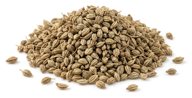
Caraway seeds
  • Fennel seed

    Same weight, lightly crushed; sweeter and milder but the closest match for the anise note.

  • Cumin seed

    Use two-thirds the weight; earthier and warmer, losing most of the aniseed character — good in breads and root vegetables.

  • Carom seeds

    Use half the weight; much more pungent and thyme-like, so add early in hot oil to soften it.

Cassia bark
  • Ceylon cinnamon

    True cinnamon: thinner, papery quills, milder and sweeter. Use about 1.5 times the weight, and taste.

  • Ground cinnamon (cassia)

    Use about a third of the weight (0.5 g ground for a 2.5 cm piece), stirred in with the ground spices rather than fried whole, since the powder burns quickly.

  • Cassia buds

    Use 60-70% of the weight; stronger and more peppery, so taste before adding more.

Green cardamom pod
  • Green cardamom seed

    Use 35 to 40% of the total pod weight; lightly bruise the seeds before frying in oil to release their essential oils.

  • Ground green cardamom

    Use 20 to 25% of the pod weight (about 1 generous pinch per pod); stir in toward the end of cooking so the delicate floral notes do not dissipate.

  • White cardamom pod

    Use 1:1 by pod count or weight; crack gently before using, though it is slightly less intensely floral.

Clove
  • Ground cloves

    Use 1 g ground for 4 g whole (or 1 small pinch per 2 to 3 whole cloves). Add with spice powders; disperses intense warmth quickly, so use with restraint.

  • Allspice berries

    Use 100% of the weight whole in tempering. Imparts a warm, clove-like aromatic profile combined with hints of nutmeg and cinnamon.


  • Black cardamom pod

    Use 1 pod for 3 to 4 cloves in whole tempering. Shares a camphor-like warmth and medicinal depth, though it introduces a distinct smoky undertone.

Hung natural yoghurt
  • Greek yoghurt

    Use the same weight straight from the pot. It is thick and slightly tangier; stir well before use.

  • Full-fat natural yoghurt

    Use about 175% of the weight and strain through muslin for 3–4 hours to yield the same weight of thick yoghurt.

  • Hung yoghurt

    Use the same weight. It is essentially the same ingredient; adjust salt or sugar to taste.

Lime
  • Lemon

    Use the same weight; sharper and less floral, so reduce any extra souring slightly.

  • Lemon juice

    Use about 30 g juice per lime (2 tbsp), strain pips; add at the end for fresh sourness.

  • Dried mango powder

    Use 1 g amchoor for about 15 g lime juice; add early with spices; gives dry mango sourness, not citrus aroma.

Similar dishes

Murg Shahjehani
Imperial Chicken
It tastes more floral, tangy, and peppery from the rosewater, yogurt, and black pepper, rather than rich and buttery from ghee.
  • Same: Murg Shahjehani also prepares chicken in a base of browned onions, ginger, garlic, chilli powder, cinnamon, cloves, and green cardamom.
  • Different: Instead of baking in a sealed pot with ghee and milk, it is cooked on the stovetop in vegetable oil with yogurt, poppy seeds, cumin, coriander, black peppercorns, and rosewater.
Chettinad Chicken Curry
Chicken Curry from Chettinad
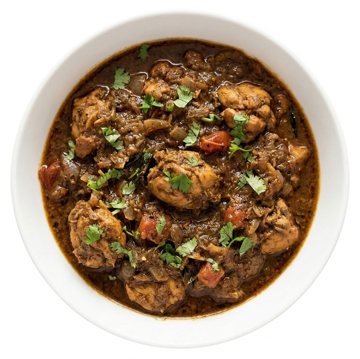
Chettinad Chicken Curry tastes more deeply spiced and aromatic-hot with a coconut-thickened sauce and citrus, while this dish is milder and savoury with a yoghurt-onion sauce.
  • Same: Chettinad Chicken Curry shares chicken, onion, ginger, garlic, chilli powder, poppy seed, cinnamon, green cardamom, clove, lime, and salt with this dish.
  • Different: Chettinad Chicken Curry uses coconut, fennel seed, turmeric, vegetable oil, tomato, curry leaves, and coriander leaf, and it lacks this dish's ghee, hung yoghurt, saffron, milk, papaya milk, caraway seeds, and sealed-pot baking.
Chicken Ishtew
South Indian Chicken and Coconut Stew
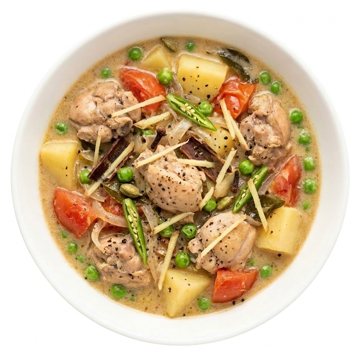
Chicken Ishtew tastes creamy and coconut-rich with a gentle chilli warmth, whereas this dish is mild, tangy from yoghurt and lime, and deeply savoury with ghee and browned onions.
  • Same: Chicken Ishtew shares chicken, onion, ginger, garlic, green cardamom and clove with this dish, and both use whole warm spices.
  • Different: Chicken Ishtew uses coconut milk, tomato, potato, green peas, bird’s eye chilli, curry leaves, black pepper, cassia bark, vegetable oil and butter, while this dish uses ghee, hung yoghurt, saffron, lime, poppy seed, caraway and a sealed-pot baking style.
Thanda Qorma
Cold Chicken Korma
Thanda Qorma tastes lighter and sharper from the fresh green chillies and peppercorns, with a firm, chilled finish instead of a rich, warm, saucy depth.
  • Same: Thanda Qorma also uses chicken cooked with ghee, onions, ginger, garlic, cinnamon, cloves, and green cardamom.
  • Different: Unlike this dish, it uses far less ghee, omits the milk and garam masala, adds fresh green chillies and black peppercorns, and is cooked down dry and served cold rather than slow-baked in a sealed pot.