
Duck Leg Kathi Roll with Peanut Chutney & Pickled Cucumber
A kathi roll filled with minced duck cooked with warm whole and ground spices, wrapped in flaky malabar paratha with coriander chutney, peanut chutney and pickled cucumber. It tastes savoury and rich, with warm spice, tangy pickle and a nutty chutney edge.
Whole spice blend
7 gRoasted and ground before it goes into the duck (steps 1–2)Duck masala
38 gStirred into the duck mixture with the chilli, coriander, salt and onion (step 4)Everything else

Method
- Dry-roast 0.4 g clove, 2.6 g ground cumin and 3.6 g star anise in a frying pan over high heat for about 30 seconds, until aromatic and lightly coloured.
- Tip the roasted spices into a blender, let them cool, and grind to a fine powder; this is the whole spice blend.
- Put 1000 g duck leg meat in a bowl and work in the whole spice blend.
- Add the duck masala — 15 g ginger garlic paste, 7.8 g kashmiri chilli powder and 15.6 g garam masala — along with 24 g green chilli, 11.7 g coriander stalk and 11 g sea salt, then fold through 150 g red onion.
- Divide the duck mixture into 6 portions, shape each into a sausage, cover and refrigerate until needed.
- Heat 13.5 g vegetable oil in a wide frying pan and cook the duck sausages for about 10 minutes, turning often, until browned and cooked through.
- Warm 320–480 g malabar paratha in a hot tawa or dry frying pan until golden. Spread 20 g coriander chutney over each, lay on a duck sausage, add peanut chutney to taste and 150 g pickled cucumber, roll up, trim the ends and serve warm.
Don't have something?


 Chicken thigh
Use the same weight; simmer 20-25 minutes instead of 40-45. Less gamey and less fatty.
 Bone-in chicken thigh and drumstick
Use the same weight; cook 30-35 minutes. More bone flavour but milder than duck.
 Lamb shoulder
Use the same weight; simmer 40-50 minutes. Stronger red-meat flavour.


 Peanut oil
Use 1:1 by weight. Handles high-heat frying identically and introduces a very subtle, pleasant nuttiness.
 Ghee
Use 1:1 by weight. Yields a much richer, authentic aroma and a glossy, heavier mouthfeel.
 Mustard oil
Use 1:1 by weight. Heat until smoking, then cool slightly before cooking to temper its intensely pungent, sharp mustard kick.


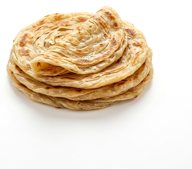
 Layered flatbread
Use the same weight; less flaky and rich, so warm well before serving.
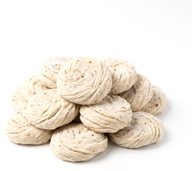 Frozen paratha
Use the same weight; cook per packet, then crisp in a hot pan.
 Chapati
Use the same weight; drier and less layered, so brush with ghee before serving.


 Mint chutney
Use the same weight; more minty and less coriander.
 Tamarind and coriander chutney
Use the same weight; more sour, so adjust salt.
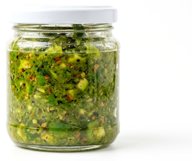 Raw green mango chutney
Use the same weight; sharper and sourer.


 Coconut chutney
Use the same weight; creamier and less nutty.
- Coriander chutney
Use the same weight; fresher and sharper.
- Mint chutney
Use the same weight; more herbal and less rich.


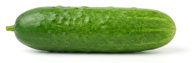 Cucumber
Use the same weight, sliced and tossed with white vinegar and salt; rest 10 minutes, fresher and crunchier.
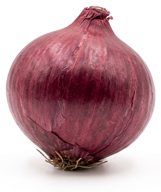 Pickled red onion
Use the same weight; sharper and sweeter, with a different texture.
 Pickle
Use the same weight of a mild pickle, chopped; stronger and spicier.


 Ground cloves
Use 1 g ground for 4 g whole (or 1 small pinch per 2 to 3 whole cloves). Add with spice powders; disperses intense warmth quickly, so use with restraint.
 Allspice berries
Use 100% of the weight whole in tempering. Imparts a warm, clove-like aromatic profile combined with hints of nutmeg and cinnamon.
 Black cardamom pod
Use 1 pod for 3 to 4 cloves in whole tempering. Shares a camphor-like warmth and medicinal depth, though it introduces a distinct smoky undertone.


 Cumin seed
Dry-roast briefly and grind finely; use equal weight (1:1). Imparts an even punchier, nuttier, toasty aroma than pre-ground cumin.
 Ground coriander
Use equal weight (1:1). Adds mild, lemony sweetness rather than cumin's smoky, earthy bite; curries will taste lighter and less savoury.
 Black cumin seeds
Grind finely; use 60% to 75% of the weight. Produces a darker, more complex, smoky-herbal flavour suited to rich gravies.


 Aniseed
Use equal weight or 1 g lightly crushed aniseed per whole star anise star. Delivers the same sweet liquorice profile, though slightly less woody.
 Fennel seed
Use equal weight, bruised in a mortar. Lends a gentler, sweeter liquorice note to gravies and biryanis.


 Chilli powder
Use 10 to 15% of the weight (about 1/4 teaspoon per chilli); imparts dry pungent heat and reddens the dish without the grassy crunch.
 Dried red chilli
Use 1 dried pod per fresh green chilli; snap in half and temper in hot oil for a deeper, toastier heat.


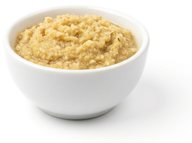
- Ginger and garlic paste
Use the same weight; the difference is only the order of the names.
 Garlic paste
Mix with an equal weight of ginger paste and use the same total weight.
 Garlic
For 20 g paste use about 10 g crushed garlic and 10 g grated ginger root with a splash of water. Add a little extra water if the dish looks dry.


 Dried kashmiri chilli
Grind deseeded dried pods to an equal weight of powder; gives identical vivid red colour and gentle warmth.
 Red chilli powder
Use 25% of the weight mixed with sweet paprika for colour; straight red chilli powder is substantially hotter and will make the dish fiery.
- Chilli powder
Use one-third of the weight; the sauce will be less intensely red and notably sharper in heat.
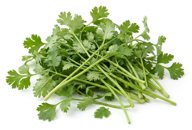
 Coriander leaves
Use the same weight, chopped finely. They are milder than the stem, so the dish loses some of its strong aromatic punch.
 Coriander paste
Use 1.5–2 times the weight and reduce any other liquid slightly; it is less fresh-tasting but gives a similar green coriander note.
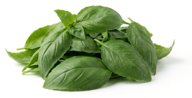 Basil leaves
Use the same weight, chopped finely. Basil is sweeter and more aniseed-like, so use it only when the recipe can take that change.


- Ground cumin
Use 50% of the weight mixed with equal parts ground coriander and a pinch of ground cinnamon, ground cloves, and ground green cardamom. Sprinkle near the end for a warming finish.
 Lentil stew spice mix
Use 75% of the weight. Simmer briefly in the gravy; imparts roasted warmth and complexity, though it adds a slight tang and earthy lentil undertone.

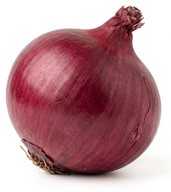
 Onion
Use the same weight; cook a little longer. Milder and less sweet when raw.
 Shallot
Use the same weight; sweeter and softer, so reduce cooking time slightly.
 Spring onion
Use only the white parts, weight for weight, for raw or quick-cooked dishes; green parts are too grassy for long cooking.

Similar dishes
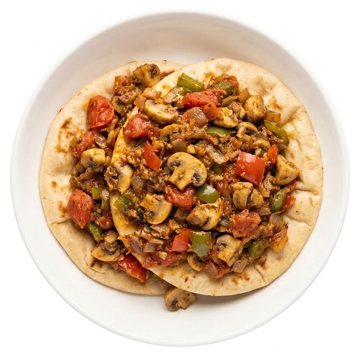
- Same: Chatpate Kulche shares vegetable oil, Kashmiri chilli powder, cumin and onion with this dish, and both are served with chutney or pickle.
- Different: Chatpate Kulche is a baked kulcha topped with tomatoes, onion, bell pepper and mushrooms, while this dish is a malabar paratha roll filled with minced duck and includes peanut chutney and pickled cucumber.
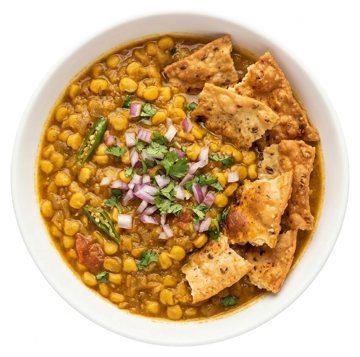
- Same: Sindhi Dal Pakwan shares with this dish the use of garam masala, Kashmiri chilli powder, cumin, green chilli, red onion, coriander and vegetable oil, and both are served with a flatbread.
- Different: Sindhi Dal Pakwan uses chana dal as its main ingredient and sours it with tamarind, amchoor and lime, while this dish uses minced duck leg meat, malabar paratha, peanut chutney and pickled cucumber.

- Same: Mumbai Frankie Rolls and this dish are both paratha wraps with spiced meat, red onion, green chilli, cumin, garam masala and Kashmiri chilli.
- Different: Mumbai Frankie Rolls uses lamb, egg-coated frozen paratha, malt vinegar, lemon and yoghurt, while this dish uses minced duck, malabar paratha, peanut chutney, pickled cucumber and whole spices like clove and star anise.
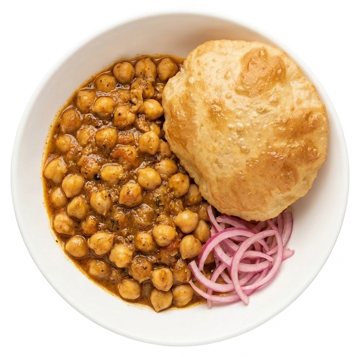
- Same: Chole Batura shares vegetable oil, ginger garlic paste, ground cumin, green chilli, red onion and sea salt with this dish, and both include a pickle.
- Different: Chole Batura lacks duck, malabar paratha and peanut chutney, and instead pairs chickpeas in a tomato-based curry with wholewheat batura deep-fried in vegetable oil, using bay leaf, cinnamon, black peppercorn, green cardamom, turmeric and channa masala rather than clove, star anise and garam masala.