
Chole Batura
Chole batura is a spiced chickpea curry served with soft, deep-fried wholewheat bread and sharp pickled red onions. The curry is tangy with tomato, warm with whole and ground spices, and the bread is crisp at the edges and tender inside.
Whole spices for the oil
5 gAdded to the hot oil at the start of the chole (step 7)Ginger garlic paste
30 gStirred in with the tomato purée (step 9)Ground spices for the sauce
18 gAdded after the tomato has simmered (step 10)Channa masala spice mix
15 gStirred in at the end of the chole (step 11)Everything else

Method
- For the batura dough, mix 200 g wholewheat flour, 0.3 g salt and 33.8 g vegetable oil in a bowl.
- Add 99.4 g water a little at a time and work into a firm dough, adding more water only if needed.
- Cover the dough and leave it to rest until needed.
- For the pickled red onions, put 300 g red onion in 199 g pickling liquor.
- Leave at room temperature for 1–2 hours, then chill until needed.
- For the chole, warm 27 g vegetable oil (plus extra for frying) in a heavy saucepan over medium heat.
- Add the whole spices for the oil and cook for about 30 seconds, until they crackle.
- Stir in 800 g tomato purée, 12 g green chilli and the ginger garlic paste (30 g).
- Simmer for about 15 minutes, until the sauce is thick and has lost about a third of its volume.
- Add the ground spices for the sauce and 400 g chickpea. Cook over low heat for about 30 minutes, until the chickpeas have taken in most of the tomato liquid.
- Stir in the channa masala spice mix (15 g) and sea salt to taste.
- Heat extra vegetable oil to a depth of 5 cm (2 in) in a deep frying pan or kadai.
- Shape the rested dough into flat rounds.
- Fry each round for about 4 minutes on each side, until it swells and takes on light brown spots.
- Transfer to paper towels to drain. Serve with the chole and pickled red onions.
Don't have something?


 Peanut oil
Use 1:1 by weight. Handles high-heat frying identically and introduces a very subtle, pleasant nuttiness.
 Ghee
Use 1:1 by weight. Yields a much richer, authentic aroma and a glossy, heavier mouthfeel.
 Mustard oil
Use 1:1 by weight. Heat until smoking, then cool slightly before cooking to temper its intensely pungent, sharp mustard kick.


 Chilli powder
Use 10 to 15% of the weight (about 1/4 teaspoon per chilli); imparts dry pungent heat and reddens the dish without the grassy crunch.
 Dried red chilli
Use 1 dried pod per fresh green chilli; snap in half and temper in hot oil for a deeper, toastier heat.


 Bay leaf
Use the same number or weight. Ordinary bay is milder and lacks the cinnamon-clove note; add early and remove before serving.
 Cassia bark (Chinese cinnamon)
Use about 1 g cassia for every 2 g Indian bay leaf. It gives a warm cinnamon note but not a true laurel flavour; remove before serving.
- Cinnamon stick
Use a small 1 cm piece for 2 leaves. It adds warm sweetness but not bay flavour; remove before serving.


 Ceylon cinnamon
True cinnamon: thinner, papery quills, milder and sweeter. Use about 1.5 times the weight, and taste.
 Ground cinnamon (cassia)
Use about a third of the weight (0.5 g ground for a 2.5 cm piece), stirred in with the ground spices rather than fried whole, since the powder burns quickly.
 Cassia buds
Use 60-70% of the weight; stronger and more peppery, so taste before adding more.


 Coarsely ground black pepper
Use 75% of the weight. Add midway through simmering; spreads heat evenly through the dish instead of delivering isolated bursts.
 Ground black pepper
Use 50% of the weight. Stir in near the end of cooking; significantly darkens light gravies and provides an immediate, sharp bite.


 Green cardamom seed
Use 35 to 40% of the total pod weight; lightly bruise the seeds before frying in oil to release their essential oils.
 Ground green cardamom
Use 20 to 25% of the pod weight (about 1 generous pinch per pod); stir in toward the end of cooking so the delicate floral notes do not dissipate.
 White cardamom pod
Use 1:1 by pod count or weight; crack gently before using, though it is slightly less intensely floral.


 Tomato purée
Use 40% to 50% of the fresh tomato weight mixed with a splash of water. Imparts a deeper red colour, thicker sauce, and slightly sweeter cooked flavour.
 Plain yogurt
Use 60% of the weight, whisked smooth and added on low heat. Provides rich body and sourness, though the gravy becomes paler and creamier.

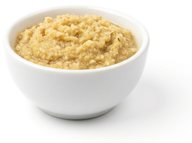
- Ginger and garlic paste
Use the same weight; the difference is only the order of the names.
 Garlic paste
Mix with an equal weight of ginger paste and use the same total weight.
 Garlic
For 20 g paste use about 10 g crushed garlic and 10 g grated ginger root with a splash of water. Add a little extra water if the dish looks dry.


 Cumin seed
Dry-roast briefly and grind finely; use equal weight (1:1). Imparts an even punchier, nuttier, toasty aroma than pre-ground cumin.
 Ground coriander
Use equal weight (1:1). Adds mild, lemony sweetness rather than cumin's smoky, earthy bite; curries will taste lighter and less savoury.
 Black cumin seeds
Grind finely; use 60% to 75% of the weight. Produces a darker, more complex, smoky-herbal flavour suited to rich gravies.


 Coriander seeds
Dry-roast lightly in a pan and grind to a fine powder; use equal weight (1:1). Offers a noticeably fresher, brighter citrus note.
- Ground cumin
Use 50% to 75% of the weight. Lacks the floral, citrusy profile of coriander and turns the gravy heavier, earthier, and darker.
 Garam masala
Use 50% of the weight and stir in near the end of cooking. Adds warmth and depth since it contains ground coriander, but introduces stronger spices like clove and cinnamon.


 Ground ginger
Use 50% of the weight. Mimics turmeric's warm, earthy, rhizome background, but provides none of the golden-yellow colour.
 Saffron
Steep a tiny pinch (0.1 g per 2 g turmeric) in 2 tbsp warm water; use to match the rich golden hue. Contributes an aristocratic, honeyed floral flavour rather than earthy bitterness.


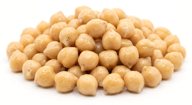 Canned chickpea
Use the same drained weight, rinse well and add near the end so it does not break up.
 Dried chickpea
Use about 40% of the cooked weight, soak overnight and boil until tender; cooking time is much longer.
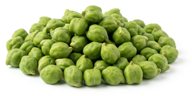 Green chickpea
Use the same weight and cook 10-15 minutes less; it is softer and sweeter.


 Lentil stew spice mix
Use 75% of the weight; it is tangy and South Indian in style. Add a little garam masala if the dish needs more warmth.
- Garam masala
Use 50% of the weight and add amchoor or lime juice for tang. It gives warmth but not the full chole-style masala profile.
 Parsi curry spice mix
Use 75% of the weight; it is complex and slightly sweet-sour. Taste before adding salt, as profiles vary.


 Wholemeal flour
Use the same weight; it is very close, but add water slowly as it can be coarser and absorb more.
 Plain flour
Use the same weight but reduce water by about 10%; the dough is softer and the flavour less nutty.
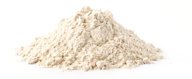 Flour
Use the same weight as a plain-flour swap; reduce water slightly and expect a lighter, less wheaty result.


 Stock
Use the same weight in savoury dishes; it adds body, so adjust salt.
 Milk
Use the same weight only in doughs or creamy dishes; it makes the result richer.
 Coconut water
Use the same weight in curries or rice; it adds sweetness and a faint coconut taste.


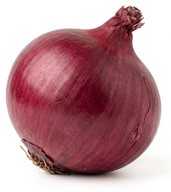
 Onion
Use the same weight; cook a little longer. Milder and less sweet when raw.
 Shallot
Use the same weight; sweeter and softer, so reduce cooking time slightly.
 Spring onion
Use only the white parts, weight for weight, for raw or quick-cooked dishes; green parts are too grassy for long cooking.


 White vinegar
Use 70% of the weight, make up the rest with water, and add a little granulated sugar if the liquor was sweet. Sharper and thinner.
 White wine vinegar
Use at 70% of the weight with water. Milder and fruitier than pickling liquor.
 Malt vinegar
Use at 60% of the weight with water; stronger and maltier, so reduce any other vinegar in the dish.


Similar dishes

- Same: It shares with this dish a tomato-based bean masala built on ginger garlic paste, green chilli, whole spices such as bay leaf, cinnamon, black peppercorn and green cardamom, ground cumin, coriander and turmeric, channa masala, red onion and pickled red onion.
- Different: It uses grouse and coco or haricot beans instead of chickpeas, adds a cobnut or hazelnut and sesame crumble with Kashmiri chilli powder and chaat masala, and lacks this dish's wholewheat deep-fried batura bread and pickling liquor.

- Same: Punjabi Missi Roti shares wheat flour and chickpea with this dish, plus turmeric and salt.
- Different: Punjabi Missi Roti is a griddled flatbread dough with chapatti flour, chickpea flour, onion, yoghurt and ghee, while this dish is a tomato-based chickpea curry with deep-fried wholewheat batura and pickled red onion.

- Same: Punjabi Channa Masala shares chickpeas, tomato, cumin, coriander and green cardamom with this dish.
- Different: It uses ghee, onion, garlic, fresh ginger, Kashmiri chilli powder, dried mango powder, tomato purée, sugar and coriander leaf, and it lacks the wholewheat batura and pickled red onions.
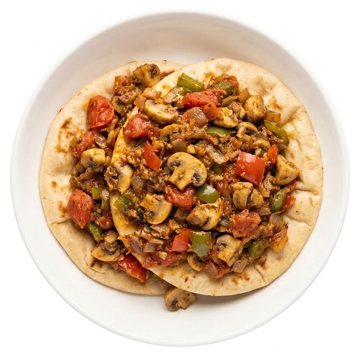
- Same: Chatpate Kulche shares vegetable oil, tomato, ground cumin, ground coriander, and salt with this dish, and both are tangy spiced Indian dishes.
- Different: Chatpate Kulche is a baked kulcha flatbread topped with tomato, onion, mushroom, bell pepper, and chaat masala, while this dish is a chickpea curry with whole spices served with deep-fried wholewheat batura and pickled red onions.