
Peanut Chutney
A thick, nutty Indian chutney made from roasted peanuts and sesame, sharpened with lemon and mild Kashmiri chilli. It tastes rich and toasty with a fresh sour edge and gentle heat.
Sesame for grinding
200 gBlended with the peanuts (step 1)Chilli for finishing
5 gStirred in with the lemon juice (step 3)Everything else

Method
- Blitz 500 g peanut, roasted unsalted, with the sesame for grinding (200 g white sesame seed, roasted) to a semi-fine powder.
- With the processor running, pour in 183 g vegetable oil in a slow stream until the chutney is thick and holds a mound at room temperature.
- Add 103 g lemon juice and the chilli for finishing (5.2 g kashmiri chilli powder); pulse briefly to combine.
- Season to taste with caster sugar and sea salt.
- Pack into a sterilised jar and keep in the refrigerator.
Don't have something?


 Roasted peanut
Use the same weight; adjust salt if they are already salted, and crush or grind as the recipe asks.
 Cashew nut
Use the same weight; they are richer and softer, so roast for a shorter time and reduce added fat.
 Almond
Use the same weight; blanch and peel for sauces, or chop for texture. They are firmer and less oily.


 Sesame seeds
Use 100% of the weight. Toast lightly in a dry pan until fragrant; works identically in gravies, spice blends, and tadkas.
 Poppy seed
Use 80% of the weight, soaked in hot water and ground to a paste. Perfect for thickening kormas and royal gravies without altering the pale colour.
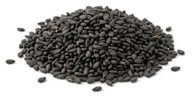 Black sesame seeds
Use 100% of the weight. It has an earthier, slightly more bitter flavour and will dramatically darken the dish.


 Peanut oil
Use 1:1 by weight. Handles high-heat frying identically and introduces a very subtle, pleasant nuttiness.
 Ghee
Use 1:1 by weight. Yields a much richer, authentic aroma and a glossy, heavier mouthfeel.
 Mustard oil
Use 1:1 by weight. Heat until smoking, then cool slightly before cooking to temper its intensely pungent, sharp mustard kick.


 Lime juice
Use equal volume or weight; delivers almost identical sharp acidity with a faintly more aromatic, bitter-edged profile.
 Dried mango powder
Use 25% of the weight (about 1 g amchoor for 4 g juice); provides clean fruity tartness without thinning the sauce.
 White vinegar
Use 75% of the volume; gives direct sourness without any citrus floral fragrance.


 Dried kashmiri chilli
Grind deseeded dried pods to an equal weight of powder; gives identical vivid red colour and gentle warmth.
 Red chilli powder
Use 25% of the weight mixed with sweet paprika for colour; straight red chilli powder is substantially hotter and will make the dish fiery.
 Chilli powder
Use one-third of the weight; the sauce will be less intensely red and notably sharper in heat.


 Granulated sugar
Use the same weight. It is slightly coarser, so stir a little longer to dissolve; in baking, grind briefly if a fine texture matters.
 Demerara sugar
Use the same weight, but dissolve it earlier as it is coarser. It adds a light caramel note and a little colour.
 Ground jaggery or soft brown sugar
Use the same weight; crush or grate jaggery first. It darkens the dish and adds molasses flavour, so reduce other liquid slightly.


Similar dishes

- Same: Shengdana Beanschi Bhaji shares peanuts, white sesame, Kashmiri chilli powder, lemon and vegetable oil with this dish.
- Different: Shengdana Beanschi Bhaji is built on chargrilled green beans with garlic and coriander seeds and leaves, while this dish is a thick chutney dominated by much larger amounts of peanuts and sesame and also contains caster sugar and sea salt.

- Same: Tilgul shares white sesame seeds, peanuts and vegetable oil with this dish.
- Different: Tilgul uses jaggery, ghee, desiccated coconut and green cardamom and is shaped into balls, unlike this lemon-soured, chilli-and-salt chutney.

- Same: Maharashtrian Thecha shares roasted peanuts, vegetable oil and sea salt with this dish.
- Different: It uses green bird's-eye chilli, garlic, cumin and coriander leaf, while this dish uses sesame, lemon juice, Kashmiri chilli powder and caster sugar; it also has far less peanut and oil and is pounded coarse rather than made into a thick chutney.

- Same: Gujarati Surati Dal shares peanuts, lemon and Kashmiri chilli powder with this dish.
- Different: Gujarati Surati Dal is a toor dal stew with water, tomato, turmeric, ghee tempering of mustard seed, asafoetida, dried Kashmiri chilli and curry leaf, plus jaggery and coriander, while this dish is a thick chutney of roasted peanuts and sesame ground with vegetable oil and lemon juice.