
Punjabi Missi Roti
Missi roti is a savoury Punjabi flatbread made from chapatti flour, chickpea flour, onion and a turmeric-carom spice mix. It is firm, herby and warmly spiced.
Roti spice mix
11 gStirred into the dry ingredients (step 2)Everything else

Method
- Put 200 g chapatti flour, 50 g chickpea flour, 40 g white onion, 1 g coriander leaf and salt to taste into a large bowl.
- Stir the roti spice mix into the dry ingredients.
- Add 15 g greek yoghurt and 8.8 g ghee, melted.
- Mix in 150 ml water a little at a time until the dough is firm and not soft.
- Knead in the bowl or on a clean surface for 2–3 minutes.
- Cover the bowl and leave the dough to rest for 30 minutes.
- Divide the dough into 8 equal portions.
- Heat a dry frying pan over a medium heat.
- Roll one portion on a surface dusted with flour into a 20 cm round.
- Add a little melted ghee to the pan, put in the roti, cover and cook for 2 minutes.
- Smear ghee over the top, turn the roti over and cook for another 2 minutes.
- Spread more ghee on the cooked top, wrap the roti in foil or parchment and keep it warm.
- Repeat with the remaining portions.
Don't have something?


 Wholemeal flour
Use the same weight; it is very close, but add water slowly as it can be coarser and absorb more.
 Plain flour
Use the same weight but reduce water by about 10%; the dough is softer and the flavour less nutty.
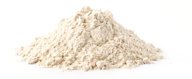 Flour
Use the same weight as a plain-flour swap; reduce water slightly and expect a lighter, less wheaty result.


 Yellow split pea flour
Use 100% of the weight. Many commercial gram flours are milled from split peas; performs identically in pakora batters and kadhi.
 Cornstarch
For crisping batters or binding cutlets: use 50% to 60% of the weight. Produces a very crisp shell but lacks the earthy, roasted nutty flavour of besan.


 Brown onion
Use the same weight; it is the closest everyday match, with a slightly deeper sweetness when fried.
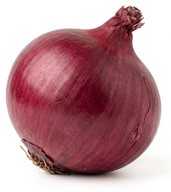 Red onion
Use the same weight; it is sharper and will tint the dish pink, so cook a little longer for sweetness.
 Shallot
Use the same weight; it is milder and sweeter, so reduce frying time slightly to avoid burning.


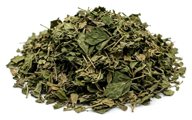 Dried fenugreek leaves
Use the same weight, crush between your palms before adding. This is effectively the same ingredient.
 Fresh fenugreek leaves
Use about 4 times the weight, add later in cooking. Milder and leafier; less of the dried maple-hay aroma.
 Ground dried fenugreek leaf
Use the same weight and stir in early. Same flavour but no visible leaf specks.


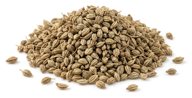
 Carom seeds
Use the same weight; this is the same seed under its other name.
 Carom seed paste
Use the same weight; looser and stronger, so add near the end and taste.
 Cumin seed
Use half the weight, lightly crushed; gives a warm aroma but not carom's thyme-like punch.


 Ground ginger
Use 50% of the weight. Mimics turmeric's warm, earthy, rhizome background, but provides none of the golden-yellow colour.
 Saffron
Steep a tiny pinch (0.1 g per 2 g turmeric) in 2 tbsp warm water; use to match the rich golden hue. Contributes an aristocratic, honeyed floral flavour rather than earthy bitterness.


 Hung natural yoghurt
Use the same weight and whisk smooth; same thick consistency.
 Full-fat natural yoghurt
Use 1.25 times the weight and strain through muslin for 30 minutes; looser if not strained.
 Hung yogurt
Use the same weight; virtually identical.


 Unsalted butter
Use 120% of the weight; melt gently over low heat to avoid burning the milk solids, which will yield a softer, creamier richness rather than a nutty aroma.
 Vegetable oil
Use 85% of the weight; holds high cooking temperatures without smoking, but the final dish will lack traditional dairy depth.
 Mustard oil
Use equal weight; heat to smoking point and cool slightly before cooking, bearing in mind it introduces an assertive, pungent edge.


Similar dishes

- Same: Ajwain Paratha shares chapatti flour and carom seeds with this dish, and both are flatbreads.
- Different: Ajwain Paratha uses only chapatti flour, carom seeds, vegetable oil, salt and water, while this dish adds chickpea flour, onion, yoghurt, ghee, turmeric, dried fenugreek and coriander leaf; Ajwain Paratha is layered and cooked crisp and flaky, while this dish is a firm mixed-dough roti.

- Same: Rajasthani Gatte Ki Sabzi shares chickpea flour, Greek yoghurt, turmeric, dried fenugreek leaf, onion and salt with this dish.
- Different: It is a curry of boiled and fried chickpea-flour dumplings simmered in a spiced yoghurt gravy, lacks chapatti flour and carom seed, and adds baking powder, ginger, asafoetida, cumin seed, mango powder, Kashmiri chilli powder and vegetable oil instead of ghee.

- Same: Cheela shares chickpea flour, salt and a savoury griddled bread style with this dish.
- Different: It uses tomato, green chilli, cumin seed, coriander leaf and vegetable oil instead of chapatti flour, onion, yoghurt, ghee, turmeric, carom seed and dried fenugreek, and it is cooked as a poured batter pancake rather than a kneaded dough roti.

- Same: Khamiri Roti shares chapatti flour, carom seeds and a ghee finish with this dish.
- Different: Khamiri Roti adds yeast, sugar, whole milk and Kashmiri chilli and lacks this dish's chickpea flour, onion, turmeric, fenugreek, coriander, yoghurt and larger ghee amount, and it is yeast-leavened and cooked against the flame.