
Bohra Lasuni Murgh
A garlic-forward chicken curry built on a yoghurt, tomato and herb paste, with fresh mint stirred in at the end. It tastes tangy, herby and gently hot from green chilli.
Bay leaf for the ghee
1 gAdded to the hot ghee with the bashed garlic (step 3)Chilli powder for the chicken
2.6 gAdded with the chicken (step 4)Cumin seed for the paste
2.1 gBlended into the paste (step 1)Everything else

Method
- Blend 100 g white onion, 100 g tomato, 30.6 g plain yoghurt, 12 g garlic, 4 g green bird’s eye chilli, 25 g coriander leaf and the cumin seed for the paste (2.1 g) until smooth. Leave in the blender.
- Heat 26.4 g ghee in a large saucepan over medium heat.
- Add the bay leaf for the ghee (0.4 g) and 15 g garlic, bashed, and let them sizzle for 1 minute.
- Add 600 g bone-in chicken thigh and drumstick and the chilli powder for the chicken (2.6 g). Fry for 2 minutes, stirring.
- Add the paste and stir to coat the chicken. Cook for 5 minutes to firm the chicken.
- Pour in 49.7 g water and season with salt to taste. Cover and simmer over low heat for 25–30 minutes, stirring halfway, until the chicken is cooked through.
- Stir in 25 g mint leaf, roughly chopped.
Don't have something?


 Unsalted butter
Use 120% of the weight; melt gently over low heat to avoid burning the milk solids, which will yield a softer, creamier richness rather than a nutty aroma.
 Vegetable oil
Use 85% of the weight; holds high cooking temperatures without smoking, but the final dish will lack traditional dairy depth.
 Mustard oil
Use equal weight; heat to smoking point and cool slightly before cooking, bearing in mind it introduces an assertive, pungent edge.


 Cinnamon stick
Use a 2 cm piece (about 1 g) for every 1 to 2 bay leaves. Fry in whole-spice temperings; provides the cassia-like warmth typical of Indian tejpatta.
 Ground cinnamon (cassia)
Use 0.5 g per leaf. Stir into the sauce during simmering; gives the same warm woodiness but darkens the colour slightly.


 Garlic paste
Use equal weight. Fry gently in oil or ghee with the ginger; incorporates smoothly into curries without visible minced bits.
 Garlic powder
Use 15% to 20% of the weight (about 1 g for every 5 to 6 g fresh cloves). Whisk into sauces; gives a savoury, toasted garlic flavour without raw pungency.
 Shallot
Use 1.5 times the weight, very finely minced. Sauté until golden; provides savoury allium sweetness, though it lacks garlic's pungent sulphur bite.


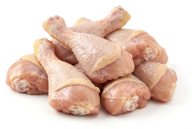 Chicken drumstick
Use the same weight; smaller, so reduce cooking time by 5–10 minutes and check at the bone.
 Chicken thigh
Use the same weight; boneless thigh cooks faster by 5–10 minutes. Juicier and less bony.
 Chicken pieces
Use the same weight; bone-in pieces give similar richness. Adjust time by size.


 Dried kashmiri chilli
Grind deseeded dried pods to an equal weight of powder; gives identical vivid red colour and gentle warmth.
 Red chilli powder
Use 25% of the weight mixed with sweet paprika for colour; straight red chilli powder is substantially hotter and will make the dish fiery.
 Chilli powder
Use one-third of the weight; the sauce will be less intensely red and notably sharper in heat.


 Stock
Use the same weight in savoury dishes; it adds body, so adjust salt.
 Milk
Use the same weight only in doughs or creamy dishes; it makes the result richer.
 Coconut water
Use the same weight in curries or rice; it adds sweetness and a faint coconut taste.


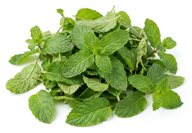 Mint leaves
Use the same weight; identical herb, just the plural listing.
 Dried mint
Use 25% of the fresh weight, about 1 g dried for 4 g fresh; crush between fingers. Flavour is stronger and slightly hay-like.
 Coriander leaf
Use the same weight; it gives a fresh green note but not true mint flavour.


 Brown onion
Use the same weight; it is the closest everyday match, with a slightly deeper sweetness when fried.
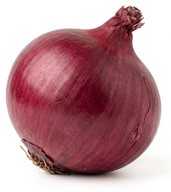 Red onion
Use the same weight; it is sharper and will tint the dish pink, so cook a little longer for sweetness.
- Shallot
Use the same weight; it is milder and sweeter, so reduce frying time slightly to avoid burning.


 Tomato purée
Use 40% to 50% of the fresh tomato weight mixed with a splash of water. Imparts a deeper red colour, thicker sauce, and slightly sweeter cooked flavour.
 Plain yogurt
Use 60% of the weight, whisked smooth and added on low heat. Provides rich body and sourness, though the gravy becomes paler and creamier.

 Yogurt
Use equal weight, whisked thoroughly until smooth before adding to hot dishes to prevent curdling.
 Coconut milk
Use equal weight with 1 teaspoon lemon juice mixed in. Provides rich creaminess in curries, but adds a noticeable coconut flavour.
 Single cream
Use 80% of the weight plus a squeeze of lemon juice for acidity. Enriches sauces nicely, though it is richer and less tangy.


- Bird's eye green chilli
Use the same weight; heat and flavour are very close.
 Green chilli
Use 1.5 to 2 times the weight; deseed for less heat. Larger chillies are more watery.
 Fresh green chilli
Use 1.5 to 2 times the weight; chop finely and adjust heat by tasting.


 Ground cumin
Use 70% of the weight; add with ground spices or sauce bases rather than hot oil tempering, where it scorches quickly and turns bitter.
 Black cumin seeds
Use equal weight for oil tempering. Delivers an earthy profile with an additional musky, smoky, and slightly bitter edge.
 Fennel seed
Use 60% of the weight for tempering; offers comparable warm aroma, but leans sweet and liquorice-like rather than savoury and earthy.


Similar dishes

- Same: Anardana Murgh shares chicken, onion, garlic, green bird's-eye chilli, Kashmiri chilli powder and coriander leaf with this dish.
- Different: Anardana Murgh uses vegetable oil, pomegranate powder, ground coriander, ginger and garam masala instead of this dish's ghee, yoghurt, tomato, mint, bay leaf and cumin seed, and it uses boneless-style thigh pieces rather than bone-in thigh and drumstick.

- Same: Rajasthani Khade Masale Ka Murgh shares with this dish bone-in chicken, onion, tomato, garlic, green bird's-eye chilli, cumin seed, bay leaf and coriander.
- Different: It uses vegetable or mustard oil instead of ghee, adds ginger and whole cassia bark, black peppercorn, black cardamom and clove, and lacks this dish's yoghurt, mint and added water, cooking as a dry stir-fry with more onion and tomato.
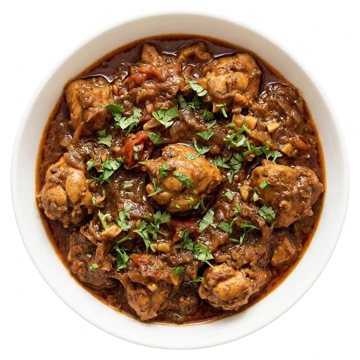
- Same: Thokan shares chicken, onion, tomato, garlic, green chilli, coriander and mint with this dish.
- Different: Thokan uses mustard oil instead of ghee and has no yoghurt, cumin, bay leaf or Kashmiri chilli, uses dried mint rather than fresh mint stirred in at the end, and simmers a larger amount of chicken with onion and tomato to a reduced gravy.

- Same: Kolkata Doi Murgi shares with this dish a chicken curry base using yoghurt, onion, garlic, Kashmiri chilli powder, bay leaf, coriander leaf, salt and water.
- Different: Kolkata Doi Murgi uses mustard oil instead of ghee, adds whole green cardamom, cinnamon, dried Kashmiri chilli, black pepper, garam masala, ginger and turmeric, and lacks this dish’s tomato, fresh mint, green bird’s eye chilli and cumin seed.