
Thokan
A robust chicken curry simmered with onions, tomatoes, and mustard oil until tender, yielding a deeply reduced and savoury gravy.
Ingredients


Method
- Place 1200 g chicken into a heavy-bottomed pan set over low heat. Drizzle over 27 g mustard oil and toss thoroughly to coat the meat.
- Raise the heat to medium. Cook while stirring regularly until the released liquid has completely evaporated.
- Tumble in 450 g onion, 360 g tomato, 18 g green chilli, 1 tsp ground spice, and salt to taste. Sauté briskly for 5 minutes.
- Stir in 1 tbsp garlic along with 750 ml water and bring everything to a rolling boil.
- Turn the heat down to a gentle simmer for roughly 30 minutes, until the chicken is tender and the sauce has concentrated.
- Scatter 1 tbsp chopped coriander across the top to finish.
Don't have something?
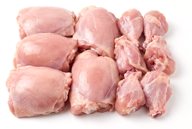
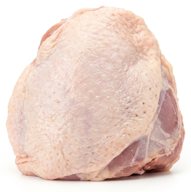 Turkey thigh
Use 100% of the weight, cut into equivalent bone-in or boneless pieces. Simmer for an extra 5 to 10 minutes; flavour and texture are very similar.
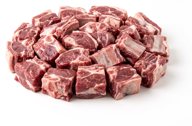 Lamb
Use 100% of the weight. Cut into bite-sized pieces and extend simmering time by 35 to 50 minutes, adding extra liquid to allow the meat to tenderise.


 Peanut oil
Use equal weight. It handles high-heat cooking well, but lacks the signature pungent, nasal heat of mustard oil.
 Vegetable oil
Use equal weight. Neutral in flavour, so your curry will lack the characteristic Bengali or North Indian pungent punch.


 Chilli powder
Use 10 to 15% of the weight (about 1/4 teaspoon per chilli); imparts dry pungent heat and reddens the dish without the grassy crunch.
 Dried red chilli
Use 1 dried pod per fresh green chilli; snap in half and temper in hot oil for a deeper, toastier heat.






 Tomato purée
Use 40% to 50% of the fresh tomato weight mixed with a splash of water. Imparts a deeper red colour, thicker sauce, and slightly sweeter cooked flavour.
 Plain yogurt
Use 60% of the weight, whisked smooth and added on low heat. Provides rich body and sourness, though the gravy becomes paler and creamier.


 Mint
Use 3 to 4 times the weight, finely chopped. Stir in towards the very end of cooking; provides a fresher, brighter herbal lift rather than deep, concentrated menthol.
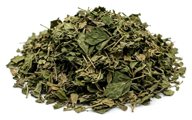 Dried fenugreek leaves
Use equal weight, crushed between your palms. Offers savoury, earthy bitterness rather than cooling mint, but works nicely in marinades and rich gravies.


 Garlic paste
Use equal weight. Fry gently in oil or ghee with the ginger; incorporates smoothly into curries without visible minced bits.
 Garlic powder
Use 15% to 20% of the weight (about 1 g for every 5 to 6 g fresh cloves). Whisk into sauces; gives a savoury, toasted garlic flavour without raw pungency.
 Shallot
Use 1.5 times the weight, very finely minced. Sauté until golden; provides savoury allium sweetness, though it lacks garlic's pungent sulphur bite.


Similar dishes

- Same: To Khan shares the same base of chicken simmered with onions, tomatoes, garlic, green chillies, and mustard oil.
- Different: To Khan adds fresh ginger and uses half the amount of mustard oil.

- Same: Bohri Chicken and this dish are both chicken curries built on onions and garlic and cooked until the chicken is tender.
- Different: Bohri Chicken adds lime juice, black pepper, double cream, ghee, ginger, mint, and a dough seal for a slow braise, while this dish uses tomatoes, mustard oil, green chilli, and dried mint in an open simmer to reduce the gravy.

- Same: Both dishes simmer the same amount of chicken with onions, garlic, and chilli heat.
- Different: Cha Sha swaps pungent mustard oil for neutral vegetable oil, adds fresh ginger, ground turmeric, and chilli powder, and leaves out the tomatoes and green chillies to form a thin broth rather than a reduced gravy.
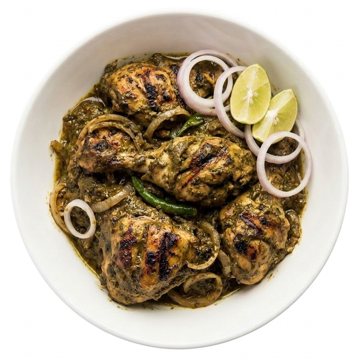
- Same: Sika Murg shares chicken, onion, green chilli, garlic, and salt with this dish.
- Different: Sika Murg uses yogurt, lime, and ghee and is charcoal-grilled, while this dish uses tomatoes, mustard oil, and dried mint and is simmered.