Indian cooking
Indian cooking / Dishes / Rajasthani Khade Masale Ka Murgh
Rajasthani Khade Masale Ka Murgh (Stir-Fried Chicken with Whole Spices & Green Chillies)

Rajasthani Khade Masale Ka Murgh

Stir-Fried Chicken with Whole Spices & Green Chillies
Non-vegetarian

A dry-style Rajasthani chicken fry built on whole spices, onion, tomato and green chilli. It tastes warm, savoury and aromatic, with the chicken cooking down in its own juices.

Whole spices for the oil

11 gCrushed, then fried in the oil before the onions (step 3)
02
1 g2 leaves
spice
03
2.9 g1 teaspoon
spice
05
2.1 g1 teaspoon
spice
06
0.6 g8 cloves
spice
Crush to a coarse, uneven mixture; small whole bits are fine.

Ground coriander for the sauce

5 gStirred in after the tomatoes soften (step 6)
01
5 g1 tablespoon
spice
Keep as it is; stir it into the tomato base.

Finishing garam masala

1.3 gStirred in off the heat at the end (step 9)
01
1.3 g½ teaspoon
spice blend
Keep as it is; add it once the pan is off the heat.

Everything else

01
1.5 g1 chilli
vegetable
02
Garlic · Lehsunroughly chopped
15 g5 cloves
aromatic
03
Fresh ginger · Adrakroughly chopped
20 g5 cm
aromatic
04
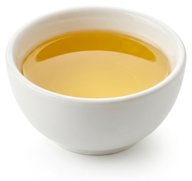
54 g4 tablespoons
oil/fat
05
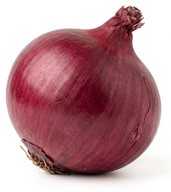
300 g
vegetable
06
Tomato · Tamatarroughly chopped
150 g
vegetable
07
Skinless chicken on the bone · Murghjointed and cut into medium-sized pieces
900 g
poultry
08
to taste
salt
09
Coriander · Dhaniaroughly chopped
1.5 g1 tablespoon
herb

Method

  1. Crush 4 g cassia bark, 0.4 g dried bay leaf, 2.9 g black peppercorn, 1.9 g black cardamom pod, 2.1 g cumin seed and 0.6 g clove in a pestle and mortar to a coarse, uneven mixture; leave to one side.
  2. Blend 2 g green bird's-eye chilli, 15 g garlic, 10 g ginger and a little water to a smooth paste; leave to one side.
  3. Heat 54 g vegetable oil or mustard oil in a large heavy saucepan over medium heat. Add the whole spices for the oil and fry for a few seconds.
  4. Add 300 g white onion and fry for 12–14 minutes, stirring often, until it begins to soften and does not stick to the pan base.
  5. Add the chilli-garlic-ginger paste and fry for 1–2 minutes. Add a little water, scrape the pan base and mix until the mixture turns dark and rich.
  6. Add 150 g tomato and fry for 3–4 minutes, mashing lightly, until it starts to soften. Stir in the ground coriander for the sauce.
  7. Add 900 g chicken and mix well. Season with salt and cook for 6 minutes, stirring so the chicken is coated in the spices.
  8. Lower the heat, cover and cook for 25 minutes, stirring once halfway through. Add about 3 tablespoons water only if the pan becomes too dry.
  9. Turn off the heat. Stir in the finishing garam masala and 1.5 g coriander.

Don't have something?

Green bird's eye chilli
  • Bird's eye green chilli

    Use the same weight; heat and flavour are very close.

  • Green chilli

    Use 1.5 to 2 times the weight; deseed for less heat. Larger chillies are more watery.

  • Fresh green chilli

    Use 1.5 to 2 times the weight; chop finely and adjust heat by tasting.

Garlic
  • Garlic paste

    Use equal weight. Fry gently in oil or ghee with the ginger; incorporates smoothly into curries without visible minced bits.

  • Garlic powder

    Use 15% to 20% of the weight (about 1 g for every 5 to 6 g fresh cloves). Whisk into sauces; gives a savoury, toasted garlic flavour without raw pungency.

  • Shallot

    Use 1.5 times the weight, very finely minced. Sauté until golden; provides savoury allium sweetness, though it lacks garlic's pungent sulphur bite.

Fresh ginger
  • Ginger paste

    Use equal weight. Sauté in hot fat until the raw allium smell disappears; slightly wetter, but provides identical warmth and pungency.

  • Ground ginger

    Use 20% to 25% of the weight (1 g for every 4 to 5 g fresh). Stir into the gravy; adds peppery heat and warmth, though it misses the crisp, zesty kick of raw root.

Mustard oil or vegetable oil
  • Groundnut oil

    Use the same weight; neutral and good for Indian cooking, but you lose mustard pungency.

  • Sunflower oil

    Use the same weight; neutral, so add a little mustard powder or mustard seeds if you want some bite.

  • Vegetable or corn oil

    Use the same weight; neutral and reliable, but no mustard flavour.

White onion
  • Brown onion

    Use the same weight; it is the closest everyday match, with a slightly deeper sweetness when fried.

  • Red onion

    Use the same weight; it is sharper and will tint the dish pink, so cook a little longer for sweetness.

  • Shallot

    Use the same weight; it is milder and sweeter, so reduce frying time slightly to avoid burning.

Tomato
  • Tomato purée

    Use 40% to 50% of the fresh tomato weight mixed with a splash of water. Imparts a deeper red colour, thicker sauce, and slightly sweeter cooked flavour.

  • Plain yogurt

    Use 60% of the weight, whisked smooth and added on low heat. Provides rich body and sourness, though the gravy becomes paler and creamier.

Ground coriander
  • Coriander seeds

    Dry-roast lightly in a pan and grind to a fine powder; use equal weight (1:1). Offers a noticeably fresher, brighter citrus note.

  • Ground cumin

    Use 50% to 75% of the weight. Lacks the floral, citrusy profile of coriander and turns the gravy heavier, earthier, and darker.

  • Garam masala

    Use 50% of the weight and stir in near the end of cooking. Adds warmth and depth since it contains ground coriander, but introduces stronger spices like clove and cinnamon.

Skinless chicken on the bone
Garam masala
  • Ground cumin

    Use 50% of the weight mixed with equal parts ground coriander and a pinch of ground cinnamon, ground cloves, and ground green cardamom. Sprinkle near the end for a warming finish.

  • Lentil stew spice mix

    Use 75% of the weight. Simmer briefly in the gravy; imparts roasted warmth and complexity, though it adds a slight tang and earthy lentil undertone.

Coriander
  • Coriander leaf

    Use equal weight, chopped fresh and stirred in off the heat or used as garnish. Matches the citrus-herbal profile identically.

  • Mint

    Use 40% to 50% of the weight; chop finely and add at the very end. Adds fresh herbal brightness, but shifts the aroma toward cool menthol.

Cassia bark
  • Ceylon cinnamon

    True cinnamon: thinner, papery quills, milder and sweeter. Use about 1.5 times the weight, and taste.

  • Ground cinnamon (cassia)

    Use about a third of the weight (0.5 g ground for a 2.5 cm piece), stirred in with the ground spices rather than fried whole, since the powder burns quickly.

  • Cassia buds

    Use 60-70% of the weight; stronger and more peppery, so taste before adding more.

Bay leaf
  • Cinnamon stick

    Use a 2 cm piece (about 1 g) for every 1 to 2 bay leaves. Fry in whole-spice temperings; provides the cassia-like warmth typical of Indian tejpatta.

  • Ground cinnamon (cassia)

    Use 0.5 g per leaf. Stir into the sauce during simmering; gives the same warm woodiness but darkens the colour slightly.

Black peppercorn
  • Coarsely ground black pepper

    Use 75% of the weight. Add midway through simmering; spreads heat evenly through the dish instead of delivering isolated bursts.

  • Ground black pepper

    Use 50% of the weight. Stir in near the end of cooking; significantly darkens light gravies and provides an immediate, sharp bite.

Black cardamom pod
  • Ground black cardamom

    Use 0.5 g of ground seeds for each whole pod. Stir directly into the curry base; delivers identical smoky flavour without woody husks.

  • Green cardamom pod

    Use equal pod count or weight. Crack slightly and fry whole; tastes sweet, menthol-fresh, and floral rather than dark and smoky.

Cumin seed
  • Ground cumin

    Use 70% of the weight; add with ground spices or sauce bases rather than hot oil tempering, where it scorches quickly and turns bitter.

  • Black cumin seeds

    Use equal weight for oil tempering. Delivers an earthy profile with an additional musky, smoky, and slightly bitter edge.

  • Fennel seed

    Use 60% of the weight for tempering; offers comparable warm aroma, but leans sweet and liquorice-like rather than savoury and earthy.

Clove
  • Ground cloves

    Use 1 g ground for 4 g whole (or 1 small pinch per 2 to 3 whole cloves). Add with spice powders; disperses intense warmth quickly, so use with restraint.

  • Allspice berries

    Use 100% of the weight whole in tempering. Imparts a warm, clove-like aromatic profile combined with hints of nutmeg and cinnamon.


  • Black cardamom pod

    Use 1 pod for 3 to 4 cloves in whole tempering. Shares a camphor-like warmth and medicinal depth, though it introduces a distinct smoky undertone.

Similar dishes

Anardana Murgh
Pomegranate & Chilli Spiced Chicken
Anardana Murgh tastes tangy and lightly sour from pomegranate with gentle chilli heat, while this dish tastes warm, savoury and aromatic from whole spices and green chilli in a dry-style fry.
  • Same: Anardana Murgh shares onion, ginger, garlic, green bird's-eye chilli, ground coriander, garam masala, vegetable oil and salt with this dish.
  • Different: Anardana Murgh uses chicken thigh, pomegranate powder, Kashmiri chilli powder and water or stock, and lacks this dish’s tomato, bone-in chicken and whole spices such as cassia bark, bay leaf, black peppercorn, black cardamom, cumin seed and clove.
Bengali Chicken Chaap
Creamy Saffron & Yoghurt Chicken Curry
Bengali Chicken Chaap tastes creamy, rich and gently spiced from yoghurt, saffron, cashew and poppy, while this dish tastes warm, savoury and aromatic with green chilli heat and whole-spice depth.
  • Same: Bengali Chicken Chaap and this dish both use skinless bone-in chicken, onion, garlic, ginger, ground coriander, salt, and warm whole spices such as clove and cardamom.
  • Different: Bengali Chicken Chaap adds a saffron-yoghurt marinade and a cashew-poppy paste and cooks as a creamy curry in ghee, while this dish is a dry fry with tomato, green bird's-eye chilli, mustard or vegetable oil, and whole cumin, black peppercorn, cassia and black cardamom.
Mangalorean Ghee Roast Chicken
Curry Leaf & Ghee Fried Chicken
Mangalorean Ghee Roast Chicken tastes richer, tangier and lightly sweet from ghee, yoghurt, lemon and jaggery, with a warm dried-chilli heat, while this dish tastes drier, savoury and aromatic from whole spices and green chilli.
  • Same: Mangalorean Ghee Roast Chicken shares bone-in skinless chicken, onion, garlic, ginger, black peppercorn, cumin seed, coriander, chilli and salt with this dish.
  • Different: Mangalorean Ghee Roast Chicken marinates the chicken in yoghurt and turmeric, then simmers it in a roasted dried Kashmiri chilli paste with ghee, curry leaves, jaggery, lemon juice, fennel seed and water, while this dish is a dry stir-fry using oil or mustard oil, tomato, green bird's-eye chilli and whole cassia bark, bay leaf, black cardamom and clove.
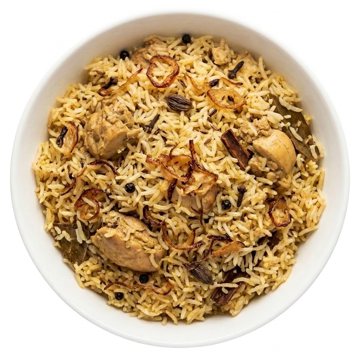
Murg Pulao
Chicken Pulao
Murg Pulao tastes like rich, aromatic ghee-and-yogurt rice with tender chicken, while this dish tastes dry, warm, and savoury with green chilli heat and tomato.
  • Same: Murg Pulao shares chicken, onion, garlic, ginger, ground coriander, salt, and whole spices such as bay leaf, black cardamom, clove, black peppercorn, and cumin seed with this dish.
  • Different: Murg Pulao adds basmati rice, ghee, plain yogurt, cinnamon stick, and green cardamom, while this dish uses oil, tomato, green bird's-eye chilli, cassia bark, and no rice or yogurt.