Indian cooking
Indian cooking / Dishes / Bhindi Channa
Bhindi Channa (Spiced Okra & Chickpeas (Garbanzo Beans))

Bhindi Channa

Spiced Okra & Chickpeas (Garbanzo Beans)
VegetarianPrep 40 minutesCook 10 minutes

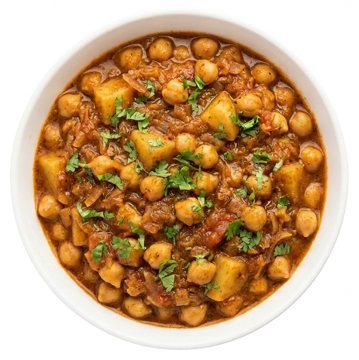
Tender okra and nutty chickpeas are coated in a deeply savoury, spiced tomato and onion gravy. It offers a rich balance of tangy and warm aromatic flavours with a fragrant coriander finish.

Whole spices for the sauce

2.7 gFried in the oil at the start of the sauce (step 1)
02
0.1 g2 cloves
spice
Leave whole; they will go into the hot oil together.

Ginger and garlic paste

16 gSautéed with the browned onions (step 3)
Combine the pastes in a small bowl.

Ground spices for the sauce

4.6 gStirred into the pan before the tomatoes (step 4)
01
1.3 g½ teaspoon
spice
02
1.8 g1 teaspoon
spice
03
1.5 g½ teaspoon
spice
Stir the powders together until evenly mixed.

Finishing garam masala

1.3 gSprinkled over the curry right before serving (step 7)
01
1.3 g½ teaspoon
spice blend
Keep separate to dust over the finished dish.

Everything else

01
14 g1 tablespoon
oil/fat
03
Okra · Bhindicut into 2-cm / 1-inch pieces
650 g
vegetable
04
~25 g¼ bunch
herb
05
40 g3 tablespoons
oil/fat
06
300 g2 onions
vegetable
07
480 g4 tomatoes
vegetable
08
8 g½ tablespoon
vegetable
09
to taste
salt

Method

  1. Set a large, heavy saucepan over medium heat and warm 40.5 g vegetable oil. Add 2 bay leaves and the whole spices for the sauce, frying for about 2 minutes until fragrant.
  2. Add 300 g chopped onion and cook for 5 to 7 minutes, stirring occasionally, until evenly golden brown.
  3. Stir in the ginger and garlic paste and cook for 1 minute to cook out the rawness.
  4. Add the ground spices for the sauce, followed immediately by 480 g chopped tomato and 0.5 tablespoon tomato purée. Turn the heat to high and simmer vigorously for about 15 minutes, stirring occasionally, until the sauce thickens and releases oil. Stir in salt to taste, take off the heat, and set aside.
  5. In a separate wide pan, heat 13.5 g vegetable oil over medium heat. Tip in 1 teaspoon cumin seeds, 200 g chickpeas, 650 g okra cut into 2-cm pieces, and 0.5 teaspoon channa masala, then sauté for 3 to 4 minutes.
  6. Pour in the prepared masala sauce and continue frying for another 3 to 4 minutes so the vegetables absorb the sauce.
  7. Dust with the finishing garam masala and scatter over 25 g chopped coriander leaf. Adjust the salt if needed and serve hot.

Don't have something?

Vegetable oil
  • Peanut oil

    Use 1:1 by weight. Handles high-heat frying identically and introduces a very subtle, pleasant nuttiness.

  • Ghee

    Use 1:1 by weight. Yields a much richer, authentic aroma and a glossy, heavier mouthfeel.

  • Mustard oil

    Use 1:1 by weight. Heat until smoking, then cool slightly before cooking to temper its intensely pungent, sharp mustard kick.

Cumin seed
  • Ground cumin

    Use 70% of the weight; add with ground spices or sauce bases rather than hot oil tempering, where it scorches quickly and turns bitter.

  • Black cumin seeds

    Use equal weight for oil tempering. Delivers an earthy profile with an additional musky, smoky, and slightly bitter edge.

  • Fennel seed

    Use 60% of the weight for tempering; offers comparable warm aroma, but leans sweet and liquorice-like rather than savoury and earthy.

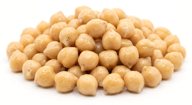
Canned chickpea
  • Dried chickpea

    Use 40–45% of the weight (100 g dried for 240 g drained tinned), soak overnight with a pinch of bicarbonate of soda, then boil 45–60 minutes until soft.

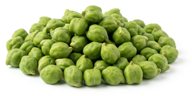
  • Green chickpea

    Same weight, fresh or frozen; boil 10–15 minutes, they stay firmer and sweeter and need a little more salt.

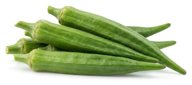
Okra
  • Cluster bean

    Use the same weight, topped, tailed and cut into similar pieces. It is firmer and less mucilaginous; cook a few minutes longer until tender.

  • Green bean

    Use the same weight, trimmed and cut into short lengths. It cooks faster and stays crisp; add towards the end and expect no okra stickiness.

  • Aubergine

    Use the same weight, cut into small pieces and cook until soft. It gives a soft, seedy texture but no okra mucilage and absorbs more oil.

Channa masala
  • Lentil stew spice mix

    Use 75% of the weight; it is tangy and South Indian in style. Add a little garam masala if the dish needs more warmth.

  • Garam masala

    Use 50% of the weight and add amchoor or lime juice for tang. It gives warmth but not the full chole-style masala profile.

  • Parsi curry spice mix

    Use 75% of the weight; it is complex and slightly sweet-sour. Taste before adding salt, as profiles vary.

Garam masala
  • Ground cumin

    Use 50% of the weight mixed with equal parts ground coriander and a pinch of ground cinnamon, ground cloves, and ground green cardamom. Sprinkle near the end for a warming finish.

  • Lentil stew spice mix

    Use 75% of the weight. Simmer briefly in the gravy; imparts roasted warmth and complexity, though it adds a slight tang and earthy lentil undertone.

Coriander leaf
  • Coriander

    Use equal weight finely chopped; this is the exact same fresh herb.

  • Mint

    Use half the weight finely chopped; provides vibrant green freshness, though the flavour profile becomes noticeably cooler and sharper.

Cassia bark
  • Ceylon cinnamon

    True cinnamon: thinner, papery quills, milder and sweeter. Use about 1.5 times the weight, and taste.

  • Ground cinnamon (cassia)

    Use about a third of the weight (0.5 g ground for a 2.5 cm piece), stirred in with the ground spices rather than fried whole, since the powder burns quickly.

  • Cassia buds

    Use 60-70% of the weight; stronger and more peppery, so taste before adding more.

Green cardamom pod
  • Green cardamom seed

    Use 35 to 40% of the total pod weight; lightly bruise the seeds before frying in oil to release their essential oils.

  • Ground green cardamom

    Use 20 to 25% of the pod weight (about 1 generous pinch per pod); stir in toward the end of cooking so the delicate floral notes do not dissipate.

  • White cardamom pod

    Use 1:1 by pod count or weight; crack gently before using, though it is slightly less intensely floral.

Clove
  • Ground cloves

    Use 1 g ground for 4 g whole (or 1 small pinch per 2 to 3 whole cloves). Add with spice powders; disperses intense warmth quickly, so use with restraint.

  • Allspice berries

    Use 100% of the weight whole in tempering. Imparts a warm, clove-like aromatic profile combined with hints of nutmeg and cinnamon.

  • Black cardamom pod

    Use 1 pod for 3 to 4 cloves in whole tempering. Shares a camphor-like warmth and medicinal depth, though it introduces a distinct smoky undertone.

Onion
  • Shallot

    Use equal weight, finely sliced. Shallots soften and brown faster, giving a slightly sweeter and more delicate base to curries.

  • Cabbage

    Use 80% of the weight, finely shredded and browned slowly with a pinch of asafoetida. Replicates the bulk and natural sweetness in gravies without allium.

Ginger paste
  • Fresh ginger

    Use equal weight; peel and grate very finely on a microplane or pound to a fine paste in a mortar.

  • Ginger

    Use equal weight; mince finely and crush with the flat of a knife before frying.

  • Ground ginger

    Use 20% of the weight; add directly with the dry spice powders, though it yields an earthier, less pungent profile.

Garlic paste
  • Garlic

    Use equal weight; crush or finely grate to a smooth pulp to replicate the same fresh, pungent moisture in your base gravy.

  • Garlic powder

    Use 20 to 25% of the weight; mix with a teaspoon of water before adding to oil so it does not burn, noting it lacks the fresh bite.

Chilli powder
  • Red chilli powder

    Use 100% of the weight. Provides direct, sharp heat and red colour in equal measure.

  • Kashmiri chilli powder

    Use 150% to 200% of the weight if matching colour, but add a pinch of black pepper or hot chilli if you need equivalent fiery heat.

  • Cayenne pepper

    Use 75% to 100% of the weight. Offers a sharp, clean heat with slightly less earthy depth and less crimson colour.

Ground coriander
  • Coriander seeds

    Dry-roast lightly in a pan and grind to a fine powder; use equal weight (1:1). Offers a noticeably fresher, brighter citrus note.

  • Ground cumin

    Use 50% to 75% of the weight. Lacks the floral, citrusy profile of coriander and turns the gravy heavier, earthier, and darker.

  • Garam masala

    Use 50% of the weight and stir in near the end of cooking. Adds warmth and depth since it contains ground coriander, but introduces stronger spices like clove and cinnamon.

Ground turmeric
  • Ground ginger

    Use 50% of the weight. Mimics turmeric's warm, earthy, rhizome background, but provides none of the golden-yellow colour.

  • Saffron

    Steep a tiny pinch (0.1 g per 2 g turmeric) in 2 tbsp warm water; use to match the rich golden hue. Contributes an aristocratic, honeyed floral flavour rather than earthy bitterness.

Tomato
  • Tomato purée

    Use 40% to 50% of the fresh tomato weight mixed with a splash of water. Imparts a deeper red colour, thicker sauce, and slightly sweeter cooked flavour.


  • Plain yogurt

    Use 60% of the weight, whisked smooth and added on low heat. Provides rich body and sourness, though the gravy becomes paler and creamier.

Tomato purée
  • Tomato

    Use 200% to 250% of the weight. Finely grate or blend fresh tomatoes, then cook them down until the moisture evaporates and the oil separates.

Similar dishes

Bhindi ka Patala Salan
Lamb, Potato & Okra Curry
Bhindi ka Patala Salan tastes meatier and more buttery with sharper chilli heat and fragrant cardamom notes, but has less tomato tang than this dish.
  • Same: Bhindi ka Patala Salan shares okra, tomatoes, onions, vegetable oil, and a base of ginger, garlic, chilli powder, ground coriander, cinnamon, and cloves with this dish.
  • Different: Bhindi ka Patala Salan incorporates lamb, potatoes, green cardamom, and ghee while omitting the chickpeas and garam masala, cooking into a thinner, brothy curry rather than a thick tomato-heavy gravy.
Dum ki Bhindi
Slow-cooked Okra in Yoghurt Sauce
Dum ki Bhindi has a richer, creamier, and sharper heat from the yogurt and fresh chillies, without the tangy tomato depth and sweet onion base of this dish.
  • Same: Both dishes feature okra cooked with garlic, ginger, turmeric, chilli powder, and garam masala.
  • Different: Dum ki Bhindi omits the chickpeas, tomatoes, onions, and whole spices, slow-cooking the okra in yogurt, ghee, and green chillies instead.
Channa Masala
Chickpea (Garbanzo Bean) Curry
Channa Masala is milder and more cumin-forward, lacking the pronounced tomato tang and the warm, sweet depth from the whole spices and garam masala in this dish.
  • Same: Both dishes simmer chickpeas in an onion and tomato base seasoned with ginger, garlic, ground coriander, turmeric, chilli powder, and fresh coriander leaf.
  • Different: Channa Masala pairs chickpeas with potatoes instead of okra, adds ground cumin, and omits the whole cinnamon, cloves, garam masala, and heavy vegetable oil used in this dish.
Sabut Bhindi
Whole Spicy Okra
Sabut Bhindi tastes tangy from amchoor with no chickpea nuttiness, while this dish has tomato-based tang and a coriander finish.
  • Same: Sabut Bhindi and this dish both cook okra with onion, tomato, vegetable oil, cumin seed, ground coriander, turmeric, chilli powder and garam masala in a savoury braised style.
  • Different: Sabut Bhindi uses whole slit okra with amchoor and asafoetida and has no chickpeas, tomato purée, cinnamon, cardamom, clove, ginger paste, garlic paste, channa masala or coriander leaf finish, while this dish is an okra-and-chickpea tomato-onion gravy.