Indian cooking
Indian cooking / Dishes / Dum ki Bhindi
Dum ki Bhindi (Slow-cooked Okra in Yoghurt Sauce)

Dum ki Bhindi

Slow-cooked Okra in Yoghurt Sauce
Vegetarian●●●Origin AwadhPrep 15–20 minutes, plus soaking timeCook 25 minutes

A fragrant, gently spiced vegetarian dish where whole slit okra is steeped in spiced yoghurt, then slow-cooked until tender and coated in a rich, glossy sauce.

Marinade spices

12 gWhisked into the yoghurt for soaking the okra (step 2)
02
3.9 g1½ teaspoons
spice blend
Stir together to combine.

Aromatic paste and turmeric

25 gFried in hot oil with green chillies (step 3)
Mix pastes and ground turmeric together.

Everything else

01
500 g
vegetable
02
152 g150 ml
dairy
03
13 g4 teaspoons
vegetable
04
40 g3 tablespoons
oil/fat
05
13 g3 teaspoons
oil/fat
06
to taste
salt

Method

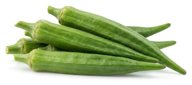
  1. Cut a lengthwise slit down each of the 500 g okra pods, keeping the stems intact so they remain whole.
  2. In a wide bowl, combine 152 g plain yogurt with the marinade spices, salt to taste, and about one-third (roughly 1 teaspoon) of the 13.2 g green chilli. Submerge the prepared okra into the spiced yoghurt mixture and leave to soak for 20 minutes.
  3. Warm 40.5 g vegetable oil in a heavy-bottomed pan set over medium heat. Add the aromatic paste and turmeric along with the remaining chopped green chillies, stir-frying for 1 to 2 minutes until fragrant.
  4. Tip the marinated okra along with all the yoghurt mixture into the pan and cook for 5 minutes, stirring occasionally.
  5. Stir in 13.2 g ghee and an extra pinch of garam masala. Cover the pan with a tight-fitting lid, turn the heat down to low, and slow-cook for 10 minutes.
  6. Uncover the pan and simmer for a final 5 minutes, stirring gently, until the sauce reduces and coats the okra.

Don't have something?

Okra
  • Cluster bean

    Use the same weight, topped, tailed and cut into similar pieces. It is firmer and less mucilaginous; cook a few minutes longer until tender.

  • Green bean

    Use the same weight, trimmed and cut into short lengths. It cooks faster and stays crisp; add towards the end and expect no okra stickiness.

  • Aubergine

    Use the same weight, cut into small pieces and cook until soft. It gives a soft, seedy texture but no okra mucilage and absorbs more oil.

Chilli powder
  • Red chilli powder

    Use 100% of the weight. Provides direct, sharp heat and red colour in equal measure.

  • Kashmiri chilli powder

    Use 150% to 200% of the weight if matching colour, but add a pinch of black pepper or hot chilli if you need equivalent fiery heat.

  • Cayenne pepper

    Use 75% to 100% of the weight. Offers a sharp, clean heat with slightly less earthy depth and less crimson colour.

Plain yogurt
  • Yogurt

    Use equal weight, whisked thoroughly until smooth before adding to hot dishes to prevent curdling.

  • Coconut milk

    Use equal weight with 1 teaspoon lemon juice mixed in. Provides rich creaminess in curries, but adds a noticeable coconut flavour.

  • Single cream

    Use 80% of the weight plus a squeeze of lemon juice for acidity. Enriches sauces nicely, though it is richer and less tangy.

Garam masala
  • Ground cumin

    Use 50% of the weight mixed with equal parts ground coriander and a pinch of ground cinnamon, ground cloves, and ground green cardamom. Sprinkle near the end for a warming finish.

  • Lentil stew spice mix

    Use 75% of the weight. Simmer briefly in the gravy; imparts roasted warmth and complexity, though it adds a slight tang and earthy lentil undertone.

Green chilli
  • Chilli powder

    Use 10 to 15% of the weight (about 1/4 teaspoon per chilli); imparts dry pungent heat and reddens the dish without the grassy crunch.

  • Dried red chilli

    Use 1 dried pod per fresh green chilli; snap in half and temper in hot oil for a deeper, toastier heat.

Vegetable oil
  • Peanut oil

    Use 1:1 by weight. Handles high-heat frying identically and introduces a very subtle, pleasant nuttiness.

  • Ghee

    Use 1:1 by weight. Yields a much richer, authentic aroma and a glossy, heavier mouthfeel.

  • Mustard oil

    Use 1:1 by weight. Heat until smoking, then cool slightly before cooking to temper its intensely pungent, sharp mustard kick.

Ginger paste
  • Fresh ginger

    Use equal weight; peel and grate very finely on a microplane or pound to a fine paste in a mortar.

  • Ginger

    Use equal weight; mince finely and crush with the flat of a knife before frying.

  • Ground ginger

    Use 20% of the weight; add directly with the dry spice powders, though it yields an earthier, less pungent profile.

Garlic paste
  • Garlic

    Use equal weight; crush or finely grate to a smooth pulp to replicate the same fresh, pungent moisture in your base gravy.

  • Garlic powder

    Use 20 to 25% of the weight; mix with a teaspoon of water before adding to oil so it does not burn, noting it lacks the fresh bite.

Ground turmeric
  • Ground ginger

    Use 50% of the weight. Mimics turmeric's warm, earthy, rhizome background, but provides none of the golden-yellow colour.

  • Saffron

    Steep a tiny pinch (0.1 g per 2 g turmeric) in 2 tbsp warm water; use to match the rich golden hue. Contributes an aristocratic, honeyed floral flavour rather than earthy bitterness.

Ghee
  • Unsalted butter

    Use 120% of the weight; melt gently over low heat to avoid burning the milk solids, which will yield a softer, creamier richness rather than a nutty aroma.


  • Vegetable oil

    Use 85% of the weight; holds high cooking temperatures without smoking, but the final dish will lack traditional dairy depth.

  • Mustard oil

    Use equal weight; heat to smoking point and cool slightly before cooking, bearing in mind it introduces an assertive, pungent edge.

Similar dishes

Dahi ma Bheeda
Okra in Yoghurt Sauce
Dahi ma Bheeda tastes much tangier and more cumin-forward, lacking the buttery richness of ghee and the sharper heat from green chillies.
  • Same: Dahi ma Bheeda also features okra prepared in a spiced yoghurt base with ginger paste, garlic paste, turmeric, and chilli powder.
  • Different: It uses three times more yoghurt, adds ground cumin, and fries the okra before simmering, while omitting the ghee, green chillies, garam masala, and slow-cooked dum method of this dish.
Vendakkai Pulussu
Okra in Tamarind Sauce
Vendakkai Pulussu is sharply tangy and sweet-and-sour from tamarind and sugar, unlike the creamy, rich, and mildly spiced profile of this yoghurt-based dish.
  • Same: Both dishes feature tender okra cooked with green chillies, garlic paste, turmeric, and chilli powder.
  • Different: Vendakkai Pulussu simmers the okra in a tomato and tamarind broth tempered with mustard seeds, fenugreek, and curry leaves, omitting the yoghurt, ghee, ginger, and garam masala used in this dish.
Khara Bheeda
Savoury Okra
Khara Bheeda is savoury and tomato-tangy rather than rich, creamy, and warm-spiced like this dish.
  • Same: Both dishes feature okra seasoned with green chillies and ground turmeric and cooked in vegetable oil.
  • Different: Khara Bheeda is quickly dry-fried with tomatoes and onions, omitting the slow-cooked yoghurt sauce, ghee, ginger-garlic paste, chilli powder, and garam masala used here.
Bhindi Channa
Spiced Okra & Chickpeas (Garbanzo Beans)
Bhindi Channa tastes tangy from tomatoes and hearty from chickpeas, whereas this dish has a rich, creamy flavour from slow-cooked yoghurt and ghee.
  • Same: Both dishes feature okra cooked in vegetable oil with ginger, garlic, turmeric, chilli powder, and garam masala.
  • Different: Bhindi Channa incorporates chickpeas, onions, tomatoes, cinnamon, and cloves, but omits the yoghurt, ghee, and green chillies used in this dish.