
Bharli Wangi
Baby aubergines are filled with a nutty coconut, cashew, tamarind and spice paste, then simmered in a tangy gravy and finished with coconut and coriander. The flavour is sour-sweet, rich and gently spicy.
Paste spices
4.6 gGround, then blended into the coconut-cashew paste (steps 1–2)Everything else



Method
- Grind the paste spices — 3.4 g coriander seeds and 1.2 g kashmiri chilli powder or mild paprika — to a fine powder.
- Blend 50 g cashew nut or roasted peanut, 20 g coriander stem, 10.2 g soaked and drained desiccated coconut, 12–15 g garlic, 13.5 g ground jaggery or brown sugar, 9 g tamarind paste and the paste spices with 30–40 ml water to a thick paste.
- Fill the slits in 280–350 g baby aubergines with some of the paste, keeping the stems attached; reserve the rest.
- Heat 40.5 g vegetable oil in a deep pan with a heavy base over medium heat.
- Add 4 g green bird’s eye chilli and cook for a few seconds.
- Add the stuffed aubergines and fry for 1 minute, turning them as they colour; lift out and drain on kitchen paper.
- Reduce the heat to low, add the reserved paste and cook for 1–2 minutes, stirring.
- Add 300 ml water and salt to taste; bring to a boil, then lower to a simmer.
- Add the aubergines and turn them gently in the gravy; cover and cook on low for 15–17 minutes, stirring a few times, until the aubergines are soft and the sauce thickens a little.
- Scatter 3.4 g desiccated coconut and 1.5 g chopped coriander leaves over the top.
- Serve with chapattis and raita.
Don't have something?

 Small aubergine
Use the same weight; cut into baby-aubergine-sized wedges. Cooking time is nearly the same, maybe 1 minute less.
 Aubergine
Use the same weight; cut into 3 cm cubes. It releases more water, so cook 3–4 minutes longer and adjust salt.
 Round aubergine
Use the same weight; quarter and cook 2 minutes longer. Flesh is softer and absorbs more oil.


 Peanut oil
Use 1:1 by weight. Handles high-heat frying identically and introduces a very subtle, pleasant nuttiness.
 Ghee
Use 1:1 by weight. Yields a much richer, authentic aroma and a glossy, heavier mouthfeel.
 Mustard oil
Use 1:1 by weight. Heat until smoking, then cool slightly before cooking to temper its intensely pungent, sharp mustard kick.


- Bird's eye green chilli
Use the same weight; heat and flavour are very close.
 Green chilli
Use 1.5 to 2 times the weight; deseed for less heat. Larger chillies are more watery.
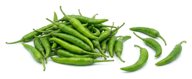 Fresh green chilli
Use 1.5 to 2 times the weight; chop finely and adjust heat by tasting.


 Ground coriander
Use 75% of the weight; stir in along with wet masala or tomato purée rather than frying in hot oil, as the fine powder burns instantly.
 Cumin seed
Use 50% of the weight for tempering in hot oil. Lacks the floral, sweet citrus flavour of coriander, introducing warm, pungent earthiness instead.
 Fennel seed
Use 50% of the weight in tempering; provides pleasant aromatic sweetness, though noticeably aniseedy rather than citrusy.


 Kashmiri chilli powder
Use the same weight; this is the first half of the book's option and gives the best red colour with mild heat.
 Mild paprika
Use the same weight; add a pinch of cayenne pepper for warmth. Slightly less colour.
- Paprika
Use the same weight and add cayenne pepper to taste; works but is less aromatic.


 Almond
Use the same weight. Whole or slivered almonds give crunch; for a paste, blanch and grind them. They are firmer and less sweet, so the dish tastes a little less rich and more neutral.
 Peanut
Use the same weight, roasted and rubbed free of skins if raw. The flavour is stronger and more savoury, so keep it for robust curries or chutneys rather than delicate kormas.
 Mixed nut
Use the same weight, chopped or ground as the recipe needs. Texture is close, but the flavour will be mixed rather than purely cashew-sweet or peanut-roasty.


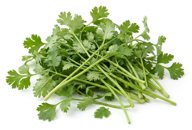
 Coriander leaves
Use the same weight, chopped finely. They are milder than the stem, so the dish loses some of its strong aromatic punch.
 Coriander paste
Use 1.5–2 times the weight and reduce any other liquid slightly; it is less fresh-tasting but gives a similar green coriander note.
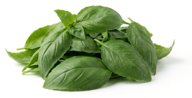 Basil leaves
Use the same weight, chopped finely. Basil is sweeter and more aniseed-like, so use it only when the recipe can take that change.


 Grated desiccated coconut
Use equal weight directly; it is the identical ingredient under a different label.
 Fresh coconut
Grate finely and use 130% to 140% of the weight to compensate for higher moisture; toast gently in a dry pan over low heat if a dry texture is needed.
 Dried coconut
Grate finely using a microplane and use equal weight. Offers a slightly oilier, toastier coconut profile.



 Garlic paste
Use equal weight. Fry gently in oil or ghee with the ginger; incorporates smoothly into curries without visible minced bits.
 Garlic powder
Use 15% to 20% of the weight (about 1 g for every 5 to 6 g fresh cloves). Whisk into sauces; gives a savoury, toasted garlic flavour without raw pungency.
 Shallot
Use 1.5 times the weight, very finely minced. Sauté until golden; provides savoury allium sweetness, though it lacks garlic's pungent sulphur bite.


 Jaggery
Grate or crush the same weight; it is the same sweetener, perhaps a little more mineral.
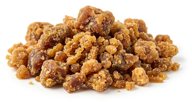 Crushed jaggery
Use the same weight; it is the same ingredient in a easier form.
 Brown sugar
Use the same weight; it is less deep and mineral than jaggery, so the dish tastes slightly less caramel-like.


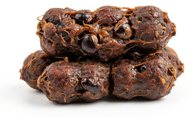 Tamarind pulp
Use 120–150% of the weight and strain; pulp is less concentrated, so simmer a little longer to thicken.
 Tamarind extract
Use 150–200% of the weight and reduce gently; extract is already diluted.
 Lime juice
Use 60–70% of the weight with a pinch of jaggery; sharper, so add near the end off the heat.

 Coriander (cilantro) or basil
Use the same weight, choosing the coriander element if available. If only basil is available, expect a sweeter, more aniseed flavour.
- Basil leaves
Use the same weight. Basil is sweeter and more aromatic in a different way; add near the end so it keeps its perfume.
- Coriander paste
Use 1.5 times the weight and reduce other liquid slightly; it is less fresh and more concentrated, so taste before adding more.

Similar dishes

- Same: Hyderabad Baby Aubergine with Coconut & Curry Leaf shares baby aubergines, coconut, peanuts, tamarind, coriander seeds, Kashmiri chilli powder, green chilli and vegetable oil with this dish, and both simmer the aubergines in a spiced gravy.
- Different: Hyderabad Baby Aubergine with Coconut & Curry Leaf uses far more coconut through 100 g desiccated coconut plus 507 g coconut milk, adds peanut, white sesame seed, cumin seed, black mustard seed, 80 g curry leaf, 300 g brown onion, ginger garlic paste, turmeric, fried onion and 122 g tamarind and date chutney, and simmers unstuffed aubergines in a thick gravy rather than stuffing them with a cashew, coconut and tamarind paste as this dish does.

- Same: Kutchi Bhagare Baingan shares baby aubergines, tamarind sourness, coconut, vegetable oil and Kashmiri chilli powder with this dish.
- Different: Kutchi Bhagare Baingan cooks the aubergines in an onion and tomato gravy thickened with poppy seed, sesame and coconut paste, and adds curry leaves, black pepper, dried red chilli, cumin and turmeric, while this dish stuffs slit aubergines with a coconut, cashew or peanut, tamarind and jaggery paste and simmers them in a tangy gravy.

- Same: Rasedar Baigan shares aubergine, vegetable oil, salt and chilli heat with this dish, and both use coconut in some form.
- Different: It uses coconut milk with asafoetida and turmeric and simmers plain aubergine rounds, while this dish stuffs baby aubergines with a cashew, coconut, tamarind and jaggery paste and cooks them in a tangy gravy.

- Same: Both are aubergine dishes cooked with coconut, coriander seeds, garlic, Kashmiri chilli powder and vegetable oil.
- Different: Andhra Vankaya Thakkali uses mustard seeds, urad dal, cumin, curry leaves, dried red chilli, onion, tomato and turmeric, and lacks cashew, jaggery and tamarind paste; it simmers aubergine pieces in a thick tomato-coconut gravy rather than stuffing slit baby aubergines with a coconut-cashew-tamarind paste.