
Arsa Llodos
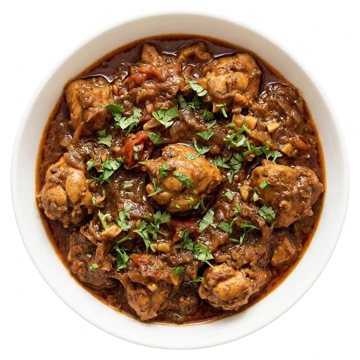
A vibrant, savoury chicken stir-fry tossed with browned onions, ginger, garlic, and tomatoes in a glossy, thickened sauce seasoned with black pepper.
pepper masala
2.3 gAdded to the pan with the marinated chicken and vegetables (step 3)Everything else

Method
- Whisk the marinade ingredients together with 27 g vegetable oil in a bowl. Thoroughly coat the 200 g chicken strips in the mixture, cover, and leave to rest in the fridge for 30 minutes.
- Set a wok or heavy-based pan over medium heat and warm 47.2 g vegetable oil. Tip in 300 g chopped onion, 4 g fresh ginger, and 1 tsp garlic, sauteing for 5 to 7 minutes until the onions develop a deep golden hue.
- Raise the heat to high. Stir in the rested chicken, 120 g tomato, the pepper masala, the remaining vegetables, and salt to taste, keeping back the 2 tsp cornflour. Stir-fry briskly for 3 minutes.
- Mix the 2 tsp cornflour into 250 ml water to form a smooth slurry and pour it into the pan. Stir without stopping for 20 to 30 minutes until the liquid thickens into a glossy gravy and the chicken is fully tender.
Don't have something?


 Peanut oil
Use 1:1 by weight. Handles high-heat frying identically and introduces a very subtle, pleasant nuttiness.
 Ghee
Use 1:1 by weight. Yields a much richer, authentic aroma and a glossy, heavier mouthfeel.
 Mustard oil
Use 1:1 by weight. Heat until smoking, then cool slightly before cooking to temper its intensely pungent, sharp mustard kick.






 Ginger paste
Use equal weight. Sauté in hot fat until the raw allium smell disappears; slightly wetter, but provides identical warmth and pungency.
 Ground ginger
Use 20% to 25% of the weight (1 g for every 4 to 5 g fresh). Stir into the gravy; adds peppery heat and warmth, though it misses the crisp, zesty kick of raw root.



 Garlic paste
Use equal weight. Fry gently in oil or ghee with the ginger; incorporates smoothly into curries without visible minced bits.
 Garlic powder
Use 15% to 20% of the weight (about 1 g for every 5 to 6 g fresh cloves). Whisk into sauces; gives a savoury, toasted garlic flavour without raw pungency.
 Shallot
Use 1.5 times the weight, very finely minced. Sauté until golden; provides savoury allium sweetness, though it lacks garlic's pungent sulphur bite.


 Boneless chicken
Use the same weight; cut to the same size and cook as directed. Skinless boneless chicken is simply the skin-free version.
 Boneless chicken thigh
Use the same weight; it is juicier and slightly fattier, so simmer 3–5 minutes longer and skim excess fat if needed.
 Boneless chicken breast
Use the same weight; it is leaner and dries out faster, so reduce the simmering time by 3–5 minutes.


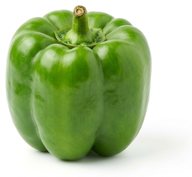
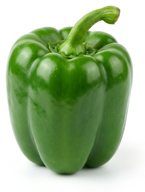 Bell pepper
Use the same weight, deseeded and diced; colour may change but flavour is similar.
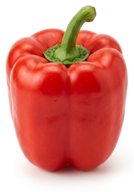 Red bell pepper
Use the same weight; sweeter and more colourful.
 Yellow bell pepper
Use the same weight; milder and sweeter.


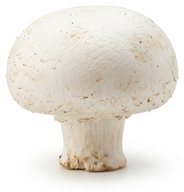 Button mushroom
Use the same weight, quartered; cook 3–4 minutes less. Gives mushroom flavour but no bamboo crunch.
 Fresh mushroom
Use the same weight, sliced; cook 2 minutes less. Softer texture and less spongy.
 Canned bamboo shoots
Use the same weight, drained and sliced; add 2 minutes earlier. Gives crunch but not mushroom taste.


 Tomato purée
Use 40% to 50% of the fresh tomato weight mixed with a splash of water. Imparts a deeper red colour, thicker sauce, and slightly sweeter cooked flavour.
 Plain yogurt
Use 60% of the weight, whisked smooth and added on low heat. Provides rich body and sourness, though the gravy becomes paler and creamier.

 French bean
Use the same weight, sliced; it gives a similar green-bean texture but none of the fermented pungency.
 Broad bean
Use the same weight, podded and cut; it is meatier and milder, so simmer until tender.
 Green bean
Use the same weight, cut into short lengths; it is a plain texture stand-in only.


 Black peppercorn
Use 1:1 by weight; pulverise in a spice mill or mortar to a fine powder for immediate, punchy heat.
 Coarsely ground black pepper
Use equal weight; offers the same bite, though it gives a visibly speckled finish and firmer crunch.


 Vegetable stock
Use the same weight. Lighter and less gelatinous; add a pinch of turmeric or extra bay leaf for colour and savouriness.
 Stock
Use the same weight; check whether it is meat or vegetable. Adjust salt as brands vary.
 Water
Use the same weight and add a bay leaf and a few black peppercorns. Much thinner; reduce salt and expect less body.


 Cornstarch
Use the same weight. It is the same ingredient under another name and thickens or crisps in the same way.
 Rice flour
For coating and frying, use the same weight; it gives a crisper, slightly gritty crust. For thickening, use 1.5 times the weight and simmer a little longer.
 Plain flour
For coating, use the same weight. For thickening, use twice the weight and cook out for 2–3 minutes; it gives a softer, less glossy sauce.


 Mushroom soy sauce
Use 80% of the weight; darker and more intense, so taste before adding extra salt.
 Worcestershire sauce
Use the same weight; sweeter and tangy, with less pure soy depth. Reduce added salt slightly.
 Fermented soya bean paste
Use 50% of the weight, loosen with a little water and add salt carefully. Stronger, thicker fermented flavour.


 Red chilli paste
Use 70% of the weight and stir in 30% ketchup or a pinch of sugar and vinegar. It is hotter and sharper, less sweet.
 Ketchup
Use the same weight and add red chilli powder or red chilli paste to taste. It is sweeter and milder.
 Tabasco sauce
Use 30–40% of the weight, topped up with ketchup. It is thin and vinegary, so it will not be thick.


Similar dishes

- Same: To Khan shares a base of chicken, onions, tomatoes, fresh ginger, and garlic with this dish.
- Different: To Khan is a simmered curry made with mustard oil and fresh green chillies, lacking the black pepper and neutral vegetable oil used in this stir-fry.

- Same: Bohri Chicken shares a foundation of chicken cooked with onions, ginger, garlic, and black pepper with this dish.
- Different: Instead of stir-frying in vegetable oil with tomatoes, Bohri Chicken is slow-braised under a sealed dough lid using ghee, lime juice, mint, and coriander leaf.

- Same: Cha Sha shares the same base of chicken, onions, fresh ginger, and garlic cooked in vegetable oil.
- Different: Rather than being stir-fried with tomatoes and black pepper, it is braised into a broth seasoned with turmeric and chilli powder.
- Same: Both dishes base their flavour on chicken cooked with onions, garlic, and tomatoes.
- Different: Thokan is a simmered curry made with mustard oil and green chillies, whereas this dish is a stir-fry using vegetable oil, ginger, and black pepper.