Indian cooking
Indian cooking / Dishes / Bohri Chicken
Bohri Chicken (Mild-tasting Chicken)

Bohri Chicken

Mild-tasting Chicken
Non-vegetarian●●●Origin GujaratPrep 30 minutes, plus marinating timeCook 40 minutes

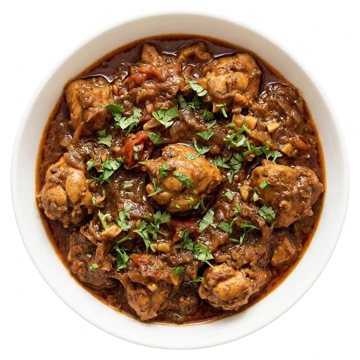
A gentle, aromatic chicken dish slowly braised under a sealed lid with fresh aromatics, cream, and ghee. It produces tender meat coated in a rich, delicately spiced sauce.

Layering spice

2.3 gSprinkled over the chicken in the pot (step 3)
Keep ground and ready to sprinkle over the meat.

Everything else

01
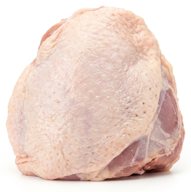
Chicken · Murghcut into 10–12 pieces
1200 g1 chicken
poultry
02
15 g1 tablespoon
souring agent
03
Double cream · Malailightly whipped
248 g250 ml
dairy
04
Gheemelted
46 g3½ tablespoons
oil/fat
05
to taste
salt
07
450 g3 onions
vegetable
08
Ginger · Adrakpeeled and chopped
12 g1 piece
aromatic
09
18 g6 cloves
aromatic
10
~1 g1 sprig
herb
11
30–40 g15–20 sprigs
herb

Method

  1. Place 450 g onion, 12 g ginger, 18 g garlic, 1 g coriander leaf, and 15 g mint into a blender, adding a splash of water if needed, and process into a smooth paste.
  2. Pierce 1200 g chicken all over with a fork in a wide dish. Rub 15.3 g lime juice and half of the blended herb paste thoroughly over the meat. Cover and chill in the refrigerator for 2 hours.
  3. Transfer the marinated chicken in a single layer to a heavy-based pot. Spread the rest of the herb paste over the pieces, season with salt to taste, and sprinkle over the layering spice. Pour 250 g cream (lightly whipped) over the top and spoon 46.2 g ghee around the edges.
  4. Fix the lid firmly onto the pot, sealing the rim with 150 g dough or foil to trap the steam. Cook over low heat for around 40 minutes until the chicken is cooked through and tender.

Don't have something?

Chicken
  • Turkey thigh

    Use 100% of the weight, cut into equivalent bone-in or boneless pieces. Simmer for an extra 5 to 10 minutes; flavour and texture are very similar.

  • Lamb

    Use 100% of the weight. Cut into bite-sized pieces and extend simmering time by 35 to 50 minutes, adding extra liquid to allow the meat to tenderise.

Lime juice
  • Lemon juice

    Use equal volume or weight; slightly sweeter and less pungent, but otherwise an imperceptible swap.

  • Dried mango powder

    Use 25% of the weight; imparts dry, fruity sourness, best stirred in right at the end of cooking.

  • Tamarind extract

    Use 50% of the weight; delivers pleasant fruity tang but turns pale sauces considerably darker.

Ground black pepper
  • Black peppercorn

    Use 1:1 by weight; pulverise in a spice mill or mortar to a fine powder for immediate, punchy heat.

  • Coarsely ground black pepper

    Use equal weight; offers the same bite, though it gives a visibly speckled finish and firmer crunch.

Double cream
  • Heavy cream

    Use the same weight; whips and cooks almost identically.

  • Single cream

    Use the same weight in cooking, but it will not whip; reduce other liquid slightly.

  • Clotted cream

    Use 80% of the weight; richer and thicker, good for serving but not for whipping.

Ghee
  • Unsalted butter

    Use 120% of the weight; melt gently over low heat to avoid burning the milk solids, which will yield a softer, creamier richness rather than a nutty aroma.

  • Vegetable oil

    Use 85% of the weight; holds high cooking temperatures without smoking, but the final dish will lack traditional dairy depth.

  • Mustard oil

    Use equal weight; heat to smoking point and cool slightly before cooking, bearing in mind it introduces an assertive, pungent edge.

Dough
  • Plain boiled rice

    If dough was intended to accompany a curry (such as flatbreads), serve equal cooked weight of rice instead.

Onion
  • Shallot

    Use equal weight, finely sliced. Shallots soften and brown faster, giving a slightly sweeter and more delicate base to curries.

  • Cabbage

    Use 80% of the weight, finely shredded and browned slowly with a pinch of asafoetida. Replicates the bulk and natural sweetness in gravies without allium.

Ginger
  • Fresh ginger

    Use equal weight; scrape off the skin and grate or finely julienne according to the recipe.

  • Ginger paste

    Use equal weight; stir straight into the sizzling aromatics, taking care as the extra moisture may spit.

  • Ground ginger

    Use 15 to 20% of the weight; add alongside ground spices, noting it imparts warm, dry heat rather than zesty freshness.

Garlic
  • Garlic paste

    Use equal weight. Fry gently in oil or ghee with the ginger; incorporates smoothly into curries without visible minced bits.

  • Garlic powder

    Use 15% to 20% of the weight (about 1 g for every 5 to 6 g fresh cloves). Whisk into sauces; gives a savoury, toasted garlic flavour without raw pungency.

  • Shallot

    Use 1.5 times the weight, very finely minced. Sauté until golden; provides savoury allium sweetness, though it lacks garlic's pungent sulphur bite.

Coriander leaf
  • Coriander

    Use equal weight finely chopped; this is the exact same fresh herb.

  • Mint

    Use half the weight finely chopped; provides vibrant green freshness, though the flavour profile becomes noticeably cooler and sharper.

Mint
  • Dried mint

    Use about 30% of the weight of fresh mint. Rub between your palms to crush before stirring in; the flavour will be more intensely herbal and less bright.


  • Coriander leaf

    Use equal weight, finely chopped. Adds fresh citrusy green notes, but lacks the cooling menthol lift.

Similar dishes

Acha Kozhi
Stuffed Chicken
Acha Kozhi is much sharper, hotter, and crisper, lacking the mild citrus notes and gentle, braised richness of this dish.
  • Same: Both dishes rely on chicken cooked with generous amounts of onions, ginger, garlic, and black pepper.
  • Different: Acha Kozhi is deep-fried in vegetable oil with green chillies, chilli powder, turmeric, and curry leaves, rather than braised under a dough seal in ghee with lime juice, mint, and coriander leaf.
Thokan
Chicken Curry (I)
Thokan has a sharper, more pungent, and tomato-forward heat compared to the mild, citrusy, and gently peppery flavour of this dish.
  • Same: Thokan shares the same proportion of chicken cooked with onions and garlic.
  • Different: Thokan uses pungent mustard oil, tomatoes, and green chillies instead of the ghee, ginger, black pepper, mint, lime juice, and dough-sealed pot used for this dish.
To Khan
Chicken Curry (III)
To Khan has a sharper, more pungent heat from the mustard oil and fresh chillies, lacking the rich, buttery finish and bright citrus-mint notes of this dish.
  • Same: Both dishes feature chicken cooked with a substantial base of onions, fresh ginger, and garlic.
  • Different: To Khan simmers the chicken in mustard oil with fresh tomatoes and green chillies instead of braising it under a sealed dough lid with ghee, lime juice, black pepper, and herbs.
Cha Sha
Chicken
Cha Sha tastes lighter and brothier than this dish, with mild savoury notes and chilli heat at the end instead of this dish's creamy, delicately spiced sauce.
  • Same: Cha Sha shares with this dish a slow braise of chicken with onion, ginger, and garlic and a mild savoury profile.
  • Different: Cha Sha uses vegetable oil and turmeric/chilli powder, lacks this dish's ghee, cream, lime juice, black pepper, mint, coriander, and dough seal, and is broth-based rather than rich.