Indian cooking
Cha Sha (Chicken)

Cha Sha

Chicken
Non-vegetarian●●●Origin Tribal North East IndiaPrep 20 minutesCook 45 minutes–1 hour

A lightly spiced, broth-based chicken dish braised slowly with ginger, garlic, and onions. It is mild and savoury with a punch of heat added at the very end.

Turmeric spice

1.5 gStirred into the pan with the aromatics (step 2)
01
1.5 g½ teaspoon
spice
Keep as a ground powder ready for the pan.

Finishing spice

2.6 gScattered into the pan at the end of cooking (step 4)
01
2.6 g1 teaspoon
spice
Leave ready to dust over the cooked chicken.

Everything else

01
27 g2 tablespoons
oil/fat
02
Chicken · Murghcut into pieces
1200 g1 chicken
poultry
03
300 g2 onions
vegetable
04
6 g3 teaspoons
aromatic
05
9 g3 teaspoons
aromatic
06
to taste
salt

Method

  1. Warm 27 g vegetable oil in a wide, heavy-bottomed pan set over a low flame. Lay in 1200 g chicken, cut into pieces, and let it cook gently for 15 minutes.
  2. Scatter in 300 g chopped onion, 6 g chopped fresh ginger, 3 teaspoon garlic, chopped, the turmeric spice, and salt to taste. Sauté briskly for 2 minutes so the aromatics coat the meat.
  3. Pour in sufficient water to barely submerge the meat. Maintain a gentle simmer for 30 to 45 minutes, taking the pan off the heat once the chicken is thoroughly tender.
  4. Fold in the finishing spice just before taking the dish to the table.

Don't have something?

Vegetable oil
  • Peanut oil

    Use 1:1 by weight. Handles high-heat frying identically and introduces a very subtle, pleasant nuttiness.

  • Ghee

    Use 1:1 by weight. Yields a much richer, authentic aroma and a glossy, heavier mouthfeel.

  • Mustard oil

    Use 1:1 by weight. Heat until smoking, then cool slightly before cooking to temper its intensely pungent, sharp mustard kick.

Chicken
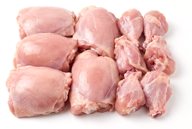
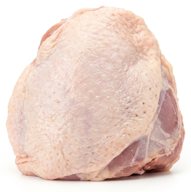
  • Turkey thigh

    Use 100% of the weight, cut into equivalent bone-in or boneless pieces. Simmer for an extra 5 to 10 minutes; flavour and texture are very similar.

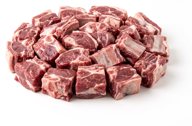
  • Lamb

    Use 100% of the weight. Cut into bite-sized pieces and extend simmering time by 35 to 50 minutes, adding extra liquid to allow the meat to tenderise.

Onion
  • Shallot

    Use equal weight, finely sliced. Shallots soften and brown faster, giving a slightly sweeter and more delicate base to curries.

  • Cabbage

    Use 80% of the weight, finely shredded and browned slowly with a pinch of asafoetida. Replicates the bulk and natural sweetness in gravies without allium.

Fresh ginger
  • Ginger paste

    Use equal weight. Sauté in hot fat until the raw allium smell disappears; slightly wetter, but provides identical warmth and pungency.

  • Ground ginger

    Use 20% to 25% of the weight (1 g for every 4 to 5 g fresh). Stir into the gravy; adds peppery heat and warmth, though it misses the crisp, zesty kick of raw root.

Garlic
  • Garlic paste

    Use equal weight. Fry gently in oil or ghee with the ginger; incorporates smoothly into curries without visible minced bits.

  • Garlic powder

    Use 15% to 20% of the weight (about 1 g for every 5 to 6 g fresh cloves). Whisk into sauces; gives a savoury, toasted garlic flavour without raw pungency.

  • Shallot

    Use 1.5 times the weight, very finely minced. Sauté until golden; provides savoury allium sweetness, though it lacks garlic's pungent sulphur bite.

Ground turmeric
  • Ground ginger

    Use 50% of the weight. Mimics turmeric's warm, earthy, rhizome background, but provides none of the golden-yellow colour.

  • Saffron

    Steep a tiny pinch (0.1 g per 2 g turmeric) in 2 tbsp warm water; use to match the rich golden hue. Contributes an aristocratic, honeyed floral flavour rather than earthy bitterness.


Chilli powder
  • Red chilli powder

    Use 100% of the weight. Provides direct, sharp heat and red colour in equal measure.

  • Kashmiri chilli powder

    Use 150% to 200% of the weight if matching colour, but add a pinch of black pepper or hot chilli if you need equivalent fiery heat.

  • Cayenne pepper

    Use 75% to 100% of the weight. Offers a sharp, clean heat with slightly less earthy depth and less crimson colour.

Similar dishes

Acha Kozhi
Stuffed Chicken
Acha Kozhi is much spicier, richer, and crisper than this mild, brothy dish.
  • Same: Both recipes use chicken prepared with vegetable oil, onions, ginger, garlic, turmeric, and chilli powder.
  • Different: Acha Kozhi adds green chillies, curry leaves, and black pepper, and it is deep-fried in a large volume of oil rather than braised into a broth.
Chicken Masala
Chicken Masala is considerably richer, drier, and more intensely spiced than the mild, soupy broth of this dish.
  • Same: Chicken Masala shares the same chicken base seasoned with garlic, turmeric, and red chilli powder.
  • Different: Chicken Masala omits the onions and ginger, adds ground coriander, black peppercorns, and green chillies, and is poached dry then pan-crisped in 250 g of ghee rather than braised in oil with a broth.
To Khan
Chicken Curry (III)
To Khan has a tangier, more pungent profile from the tomatoes and mustard oil, whereas this dish is milder and brothier with a dry-spice heat.
  • Same: Like this dish, To Khan braises chicken with an aromatic base of onions, garlic, and fresh ginger.
  • Different: To Khan simmers a thick sauce using mustard oil, tomatoes, and fresh green chillies, omitting the vegetable oil, ground turmeric, and chilli powder used in this dish.
Mangalorean Chicken Curry
Chicken Curry from Mangalore
Mangalorean Chicken Curry tastes richer and creamier from coconut, with a deep red Kashmiri chilli flavour, while this dish is a light, mild savoury broth with heat at the end.
  • Same: Mangalorean Chicken Curry shares chicken, onion, garlic, turmeric, vegetable oil, and salt with this dish.
  • Different: Mangalorean Chicken Curry adds fresh coconut, coconut milk, coriander seeds, fenugreek, and dried Kashmiri chillies, while this dish uses ginger and chilli powder and has no coconut.