Indian cooking
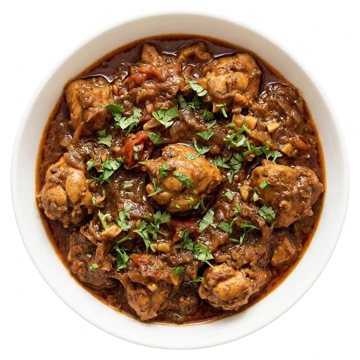
To Khan (Chicken Curry (III))

To Khan

Chicken Curry (III)
Non-vegetarian●●●Origin Tribal North East IndiaPrep 20 minutesCook 30 minutes

A rustic chicken curry simmered in mustard oil with a thick onion and tomato sauce. It yields a richly savoury, gently spiced profile accented with fresh green chillies and raw ginger.

Ingredients

01
Chicken · Murghcut into 5-cm / 2-inch pieces
1000 g
poultry
02
14 g1 tablespoon
oil/fat
03
Green chilli · Hari Mirchde-seeded and chopped
18 g3 chillies
vegetable
04
450 g3 onions
vegetable
05
360 g3 tomatoes
vegetable
06
9 g1 tablespoon
aromatic
07
to taste
salt
08
Fresh ginger · Adrakchopped, to garnish
6 g1 tablespoon
aromatic

Method

  1. Set a deep, heavy pan over low heat, add 1000 g chicken, and pour over 13.5 g mustard oil. Coat the pieces thoroughly by rubbing the oil into the meat with your hands.
  2. Fry the chicken for roughly 5 minutes, stirring continuously, until all liquid released by the meat has fully boiled away.
  3. Stir in 450 g onion, 360 g tomato, 18 g green chilli, 1 tablespoon garlic, 1 teaspoon spice, and salt to taste. Keep stirring actively over the heat for 5 minutes.
  4. Add 625 ml water and leave to simmer gently for about 20 minutes, until the gravy has thickened and the chicken is completely cooked through.
  5. Scatter over 6 g fresh ginger to finish.

Don't have something?

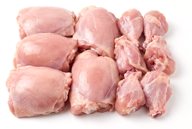
Chicken
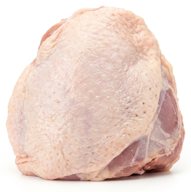
  • Turkey thigh

    Use 100% of the weight, cut into equivalent bone-in or boneless pieces. Simmer for an extra 5 to 10 minutes; flavour and texture are very similar.

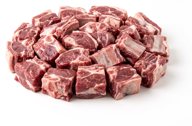
  • Lamb

    Use 100% of the weight. Cut into bite-sized pieces and extend simmering time by 35 to 50 minutes, adding extra liquid to allow the meat to tenderise.

Mustard oil
  • Peanut oil

    Use equal weight. It handles high-heat cooking well, but lacks the signature pungent, nasal heat of mustard oil.

  • Vegetable oil

    Use equal weight. Neutral in flavour, so your curry will lack the characteristic Bengali or North Indian pungent punch.

Green chilli
  • Chilli powder

    Use 10 to 15% of the weight (about 1/4 teaspoon per chilli); imparts dry pungent heat and reddens the dish without the grassy crunch.

  • Dried red chilli

    Use 1 dried pod per fresh green chilli; snap in half and temper in hot oil for a deeper, toastier heat.

Onion
  • Shallot

    Use equal weight, finely sliced. Shallots soften and brown faster, giving a slightly sweeter and more delicate base to curries.

  • Cabbage

    Use 80% of the weight, finely shredded and browned slowly with a pinch of asafoetida. Replicates the bulk and natural sweetness in gravies without allium.

Tomato
  • Tomato purée

    Use 40% to 50% of the fresh tomato weight mixed with a splash of water. Imparts a deeper red colour, thicker sauce, and slightly sweeter cooked flavour.

  • Plain yogurt

    Use 60% of the weight, whisked smooth and added on low heat. Provides rich body and sourness, though the gravy becomes paler and creamier.

Garlic
  • Garlic paste

    Use equal weight. Fry gently in oil or ghee with the ginger; incorporates smoothly into curries without visible minced bits.

  • Garlic powder

    Use 15% to 20% of the weight (about 1 g for every 5 to 6 g fresh cloves). Whisk into sauces; gives a savoury, toasted garlic flavour without raw pungency.

  • Shallot

    Use 1.5 times the weight, very finely minced. Sauté until golden; provides savoury allium sweetness, though it lacks garlic's pungent sulphur bite.

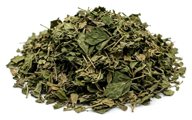
Dried mint
  • Mint

    Use 3 to 4 times the weight, finely chopped. Stir in towards the very end of cooking; provides a fresher, brighter herbal lift rather than deep, concentrated menthol.

  • Dried fenugreek leaves

    Use equal weight, crushed between your palms. Offers savoury, earthy bitterness rather than cooling mint, but works nicely in marinades and rich gravies.

Fresh ginger
  • Ginger paste

    Use equal weight. Sauté in hot fat until the raw allium smell disappears; slightly wetter, but provides identical warmth and pungency.

  • Ground ginger

    Use 20% to 25% of the weight (1 g for every 4 to 5 g fresh). Stir into the gravy; adds peppery heat and warmth, though it misses the crisp, zesty kick of raw root.


Similar dishes

Thokan
Chicken Curry (I)
Thokan tastes richer and more reduced, but lacks the sharp, pungent bite of raw ginger found in this dish.
  • Same: Thokan shares a base of chicken simmered with onions, tomatoes, garlic, green chillies, and mustard oil with this dish.
  • Different: Thokan doubles the mustard oil and adds more chicken, but omits the fresh ginger used in this dish.
Cha Sha
Chicken
Cha Sha is lighter and brothier, lacking the pungent mustard oil and tangy tomato base of this dish while finishing with a sharper punch of dry heat.
  • Same: Cha Sha also simmers chicken with fresh ginger, garlic, and onions.
  • Different: It swaps mustard oil for neutral vegetable oil, omits the tomatoes and fresh green chillies, and braises the chicken into a light broth spiced with ground turmeric and chilli powder.
Sika Murg
Charcoal-grilled Chicken
Sika Murg tastes smoky, tangy and yogurt-soft from the grill and lime, while this dish tastes richly savoury with a thick onion-tomato sauce, mustard-oil pungency and fresh green-chilli heat.
  • Same: Sika Murg and this dish both use chicken, onion, green chilli, ginger, garlic and salt.
  • Different: Sika Murg marinates chicken overnight in yogurt with green chilli and grills it over charcoal using ghee and lime, while this dish simmers chicken in mustard oil with onion, tomato, dried mint and fresh ginger.
Thanda Qorma
Cold Chicken Korma
Thanda Qorma tastes lightly spiced and savoury with set ghee juices, while this dish is more pungent from mustard oil and sharper from tomato with fresh green chilli and raw ginger.
  • Same: Thanda Qorma shares chicken, onion, green chilli, ginger, garlic and salt with this dish, and both are chicken curries.
  • Different: Thanda Qorma uses ghee and whole spices and has no tomato, mustard oil, dried mint or thick onion-tomato sauce, and it is cooked nearly dry then chilled.