Indian cooking
Indian cooking / Dishes / Kobari Kori Pulussu
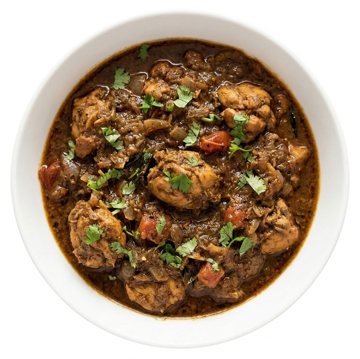
Kobari Kori Pulussu (Chicken in Coconut Sauce)

Kobari Kori Pulussu

Chicken in Coconut Sauce
Non-vegetarian●●●Origin Tamil NaduPrep 30 minutesCook 1 hour

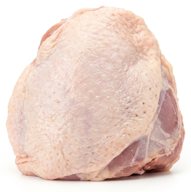
A rich Andhra-style whole chicken stuffed with an aromatic onion and coconut paste, gently braised in coconut milk until tender and coated in a thick, savoury gravy.

Stuffing masala

39 gBlended with onion and dried coconut to make the cavity filling (step 1)
02
0.3 g4 cloves
spice
03
5 g4 pieces
spice
04
5 g3 teaspoons
spice
05
2.8 g1 teaspoon
spice
Keep together ready to blend with the fresh ingredients.

Everything else

01
30 g¼ ball
nut/seed
02
Onion · Pyazthinly sliced
450 g3 onions
vegetable
03
125 g
oil/fat
04
1200 g1 chicken
poultry
06
to taste
salt
08
9 g6 cashews
nut/seed
09
~1 gsprig
herb

Method

  1. Place the stuffing masala into a food processor along with 30 g dried coconut and 450 g onion, then blitz until completely ground into a paste.
  2. Pack the mixture inside the cavity of the 1200 g chicken and stitch or tie the opening securely closed with kitchen twine.
  3. Melt 125 g ghee in a wide, heavy-bottomed pan set over low heat. Add the chicken and cook for 8 to 10 minutes, turning periodically to brown the skin on all sides.
  4. Pour half (about 250 g) of the 507 g coconut milk over the chicken, increase the heat to medium-low, and let it simmer for 10 minutes.
  5. Stir in the rest of the coconut milk and add salt to taste. Lower the heat to low and simmer for 45 minutes, until the chicken is thoroughly cooked and the stuffing has thickened the pan juices into a sauce.
  6. Carve the chicken into 8 portions and arrange on a platter. Spoon the sauce over the top, scatter with 6 cashew nuts, and serve warm with plain boiled rice.

Don't have something?

Dried red chilli
  • Dried kashmiri chilli

    Use equal weight whole. Fry in hot oil or ghee as tempered spice; gives a richer red colour with slightly milder heat.

  • Red chilli powder

    Use 50% to 70% of the weight. Stir into the oil with ground spices; distributes heat evenly throughout the dish without whole chilli skins.

Clove
  • Ground cloves

    Use 1 g ground for 4 g whole (or 1 small pinch per 2 to 3 whole cloves). Add with spice powders; disperses intense warmth quickly, so use with restraint.

  • Allspice berries

    Use 100% of the weight whole in tempering. Imparts a warm, clove-like aromatic profile combined with hints of nutmeg and cinnamon.

  • Black cardamom pod

    Use 1 pod for 3 to 4 cloves in whole tempering. Shares a camphor-like warmth and medicinal depth, though it introduces a distinct smoky undertone.

Green cardamom pod
  • Green cardamom seed

    Use 35 to 40% of the total pod weight; lightly bruise the seeds before frying in oil to release their essential oils.

  • Ground green cardamom

    Use 20 to 25% of the pod weight (about 1 generous pinch per pod); stir in toward the end of cooking so the delicate floral notes do not dissipate.

  • White cardamom pod

    Use 1:1 by pod count or weight; crack gently before using, though it is slightly less intensely floral.

Cassia bark
  • Ceylon cinnamon

    True cinnamon: thinner, papery quills, milder and sweeter. Use about 1.5 times the weight, and taste.

  • Ground cinnamon (cassia)

    Use about a third of the weight (0.5 g ground for a 2.5 cm piece), stirred in with the ground spices rather than fried whole, since the powder burns quickly.

  • Cassia buds

    Use 60-70% of the weight; stronger and more peppery, so taste before adding more.

Ground coriander
  • Coriander seeds

    Dry-roast lightly in a pan and grind to a fine powder; use equal weight (1:1). Offers a noticeably fresher, brighter citrus note.

  • Ground cumin

    Use 50% to 75% of the weight. Lacks the floral, citrusy profile of coriander and turns the gravy heavier, earthier, and darker.

  • Garam masala

    Use 50% of the weight and stir in near the end of cooking. Adds warmth and depth since it contains ground coriander, but introduces stronger spices like clove and cinnamon.

Poppy seed
  • Cashew nut

    Use equal weight. Soak in warm water for 20 minutes and grind to a smooth paste; produces an even creamier, slightly richer gravy than poppy seeds.

  • White sesame seed

    Use equal weight. Soak and grind finely; provides similar thickening and body with a slightly nuttier, faintly bitter edge.

  • Almond

    Use equal weight. Blanch, peel, and grind finely with a splash of water; lends a velvety body and gentle sweetness to gravies.

Dried coconut
  • Desiccated coconut

    Use equal weight; texture is much finer, so roast very cautiously over low heat if the recipe requires browning for spice pastes.

  • Fresh coconut

    Finely slice or grate and use 140% of the weight to offset the extra water, or dry-roast in a bare pan until moisture evaporates completely.

Garlic paste
  • Garlic

    Use equal weight; crush or finely grate to a smooth pulp to replicate the same fresh, pungent moisture in your base gravy.

  • Garlic powder

    Use 20 to 25% of the weight; mix with a teaspoon of water before adding to oil so it does not burn, noting it lacks the fresh bite.

Ginger paste
  • Fresh ginger

    Use equal weight; peel and grate very finely on a microplane or pound to a fine paste in a mortar.

  • Ginger

    Use equal weight; mince finely and crush with the flat of a knife before frying.

  • Ground ginger

    Use 20% of the weight; add directly with the dry spice powders, though it yields an earthier, less pungent profile.

Onion
  • Shallot

    Use equal weight, finely sliced. Shallots soften and brown faster, giving a slightly sweeter and more delicate base to curries.

  • Cabbage

    Use 80% of the weight, finely shredded and browned slowly with a pinch of asafoetida. Replicates the bulk and natural sweetness in gravies without allium.

Ghee
  • Unsalted butter

    Use 120% of the weight; melt gently over low heat to avoid burning the milk solids, which will yield a softer, creamier richness rather than a nutty aroma.

  • Vegetable oil

    Use 85% of the weight; holds high cooking temperatures without smoking, but the final dish will lack traditional dairy depth.

  • Mustard oil

    Use equal weight; heat to smoking point and cool slightly before cooking, bearing in mind it introduces an assertive, pungent edge.

Chicken
  • Turkey thigh

    Use 100% of the weight, cut into equivalent bone-in or boneless pieces. Simmer for an extra 5 to 10 minutes; flavour and texture are very similar.

  • Lamb

    Use 100% of the weight. Cut into bite-sized pieces and extend simmering time by 35 to 50 minutes, adding extra liquid to allow the meat to tenderise.

Coconut milk
  • Single cream

    Use equal weight; simmer gently over low heat to prevent curdling. Imparts a comparable rich texture, though it adds dairy richness without any coconut fragrance.

  • Cashew paste

    Whisk 1 part cashew paste with 2 parts water to match the consistency, then use equal weight. Provides a thick, velvety body without coconut flavour.

  • Whole milk

    Use equal weight, but reduce other cooking liquids by 20% to compensate for the lower viscosity. The curry will be lighter and lack sweetness.

Plain boiled rice
  • Steamed rice

    Use equal weight. Fluff with a fork before serving; absorbs curries and dals in identical fashion.

  • Basmati rice

    Cook 40% of the required boiled weight in raw basmati rice using 2 parts water to 1 part rice. Gives longer, more aromatic, separate grains.

Cashew nut
  • Almond

    Use 100% of the weight. Soak in boiling water and slip off skins before frying or grinding; gives a lighter, slightly less sweet richness to curries.

  • Poppy seed

    Use 60% of the weight for gravies. Soak in warm water and grind into a fine paste to thicken royal kormas without adding heavy oiliness.

  • Shelled peanut

    Use 100% of the weight. Roast, skin, and grind; creates a thicker, earthier texture typical of Maharashtrian and western Indian curries.

Mint
  • Dried mint

    Use about 30% of the weight of fresh mint. Rub between your palms to crush before stirring in; the flavour will be more intensely herbal and less bright.


  • Coriander leaf

    Use equal weight, finely chopped. Adds fresh citrusy green notes, but lacks the cooling menthol lift.

Similar dishes

Thengakkai Kori
Chicken Curry (II)
Thengakkai Kori is tangier and more floral from the yogurt and cardamom, making it lighter than this rich, nutty dish.
  • Same: Both dishes simmer chicken and onions in a coconut milk gravy seasoned with ginger, garlic, cinnamon, and cloves.
  • Different: Thengakkai Kori uses vegetable oil, yogurt, turmeric, and cardamom in a strained curry rather than braising a whole stuffed chicken in ghee with poppy seeds and cashews.
Chettinad Chicken Curry
Chicken Curry from Chettinad
Chettinad Chicken Curry has a punchier heat with sharp herbal notes and tangy tomato acidity, contrasting with the sweeter, richer, and creamier profile of this dish.
  • Same: Both dishes simmer chicken in a thick, spiced coconut gravy flavored with ginger, garlic, poppy seeds, cinnamon, and cloves.
  • Different: Chettinad Chicken Curry is made with cut chicken cooked in vegetable oil using fresh coconut, tomatoes, fennel seeds, cardamom, and turmeric, whereas this dish braises a whole stuffed chicken in ghee and coconut milk.
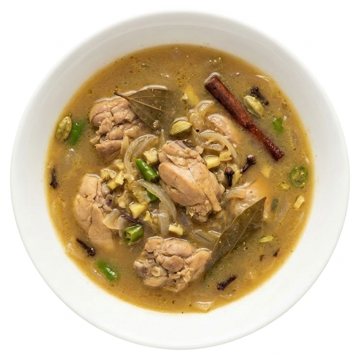
Chicken Ishtoo
Indian-Style Chicken Stew
Chicken Ishtoo is a light, mildly spiced aromatic stew with green-chilli heat, while this dish is richer and coconut-heavy with a thick savoury gravy.
  • Same: Chicken Ishtoo shares chicken braised with onion, ginger-garlic paste, cinnamon, green cardamom, clove and salt with this dish.
  • Different: It uses vegetable oil instead of ghee, green chilli and bay leaf instead of dried red chilli, and lacks coconut, coconut milk, poppy seed, cashew and the stuffed whole-chicken method; neither recipe lists a souring agent.
Kolhapuri Naralicha Kombdi Rassa
Coconut Chicken Curry with Cardamom, Kashmiri Chillies and Coriander
Kolhapuri Naralicha Kombdi Rassa is creamy, gently spicy and fragrant with lemon sourness, while this dish is richer and more savoury from ghee and cashew and has no lemon souring.
  • Same: Kolhapuri Naralicha Kombdi Rassa and this dish are both chicken curries made with coconut milk, onion, green cardamom, cinnamon and clove.
  • Different: Kolhapuri Naralicha Kombdi Rassa uses vegetable oil, lemon, fresh garlic and ginger, cumin, black peppercorn, Kashmiri chilli and coriander leaf, while this dish uses ghee, dried red chilli, poppy seed, dried coconut, cashew, mint and a whole chicken stuffed with onion-coconut paste and braised in coconut milk.