
Suvey aur Palak ka Gosht
A deeply savoury, slow-simmered lamb stew enriched with pureed tomatoes and yoghurt, finished with aromatic dill and fresh baby spinach.
Ginger-garlic paste
21 gStirred into the seared meat (step 3)Ground spices
10 gAdded to the pan after frying the aromatics (step 4)Finishing spices
5 gStirred in right at the end of cooking (step 8)Everything else

Method
- Warm 40.5 g vegetable oil in a flat-bottomed pan over medium heat, then drop in the whole spices. Add 300 g chopped onion and fry for 5 to 7 minutes until golden brown.
- Increase the heat slightly, add 1000 g diced lamb, and brown the pieces thoroughly on all sides.
- Add the ginger-garlic paste and fry for about 1 minute until fragrant.
- Add the ground spices and cook for 2 to 3 minutes, stirring constantly to prevent sticking.
- Purée 480 g tomato in a blender until smooth. Pour the puréed tomato and 80 g yogurt into the pan, cooking until the oil splits from the sauce.
- Pour in sufficient water to just submerge the lamb, lower the heat, and simmer gently until the meat is completely tender.
- Stir in 100 g baby spinach, 1 g chopped dill, and 4.8 g ginger cut into julienne, then cook for an additional 2 minutes.
- Take the pan off the heat, stir in the finishing spices, 1 lemon juice, and salt to taste, then serve.
Don't have something?


 Peanut oil
Use 1:1 by weight. Handles high-heat frying identically and introduces a very subtle, pleasant nuttiness.
 Ghee
Use 1:1 by weight. Yields a much richer, authentic aroma and a glossy, heavier mouthfeel.
 Mustard oil
Use 1:1 by weight. Heat until smoking, then cool slightly before cooking to temper its intensely pungent, sharp mustard kick.


 Garam masala
For whole garam masala spices, use 1 g garam masala for 2 g whole spices; add near the end, as it is stronger and less aromatic.
 Ground cinnamon (cassia)
For cinnamon stick, use 1 g ground for 2 g whole; add early with liquid rather than to hot oil.
 Ground cardamom
For whole cardamom, use 1 g ground for 2 g whole; add near the end to keep the aroma.





 Boneless lamb shoulder
Use same weight; shoulder is more marbled, so the curry will be richer and can take the same simmering.
 Boneless lamb
Use same weight; ordinary boneless lamb is a good all-purpose swap, with similar cooking time.
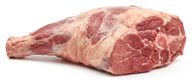 Leg of lamb
Use same weight, cut off the bone into even pieces; cooking time is similar.


 Fresh ginger
Use equal weight; peel and grate very finely on a microplane or pound to a fine paste in a mortar.
 Ginger
Use equal weight; mince finely and crush with the flat of a knife before frying.
 Ground ginger
Use 20% of the weight; add directly with the dry spice powders, though it yields an earthier, less pungent profile.


 Garlic
Use equal weight; crush or finely grate to a smooth pulp to replicate the same fresh, pungent moisture in your base gravy.
 Garlic powder
Use 20 to 25% of the weight; mix with a teaspoon of water before adding to oil so it does not burn, noting it lacks the fresh bite.


 Red chilli powder
Use 100% of the weight. Provides direct, sharp heat and red colour in equal measure.
 Kashmiri chilli powder
Use 150% to 200% of the weight if matching colour, but add a pinch of black pepper or hot chilli if you need equivalent fiery heat.
 Cayenne pepper
Use 75% to 100% of the weight. Offers a sharp, clean heat with slightly less earthy depth and less crimson colour.



 Coriander seeds
Dry-roast lightly in a pan and grind to a fine powder; use equal weight (1:1). Offers a noticeably fresher, brighter citrus note.
 Ground cumin
Use 50% to 75% of the weight. Lacks the floral, citrusy profile of coriander and turns the gravy heavier, earthier, and darker.
- Garam masala
Use 50% of the weight and stir in near the end of cooking. Adds warmth and depth since it contains ground coriander, but introduces stronger spices like clove and cinnamon.


- Ground ginger
Use 50% of the weight. Mimics turmeric's warm, earthy, rhizome background, but provides none of the golden-yellow colour.
 Saffron
Steep a tiny pinch (0.1 g per 2 g turmeric) in 2 tbsp warm water; use to match the rich golden hue. Contributes an aristocratic, honeyed floral flavour rather than earthy bitterness.


 Tomato purée
Use 40% to 50% of the fresh tomato weight mixed with a splash of water. Imparts a deeper red colour, thicker sauce, and slightly sweeter cooked flavour.
 Plain yogurt
Use 60% of the weight, whisked smooth and added on low heat. Provides rich body and sourness, though the gravy becomes paler and creamier.


- Plain yogurt
Use 100% of the weight. Whisk thoroughly until smooth before stirring into warm gravies to prevent curdling.
 Single cream
Use 90% of the weight combined with 10% lemon juice to replicate the lactic tang and rich body in marinades and curries.


 Amaranth leaves
Use equal weight; trim tough stems and cook as directed. Yields a very similar melting texture, though red varieties will tint the dish.
 Radish leaves
Use equal weight, finely chopped. Slightly more peppery, so sauté for two minutes longer to soften the bite.
 Mustard greens
Use 75% of the weight, finely shredded. Adds a robust, peppery bitterness; balance with a tiny pinch of sugar if needed.


 Dill leaves
Use the same weight; identical flavour, just use the leafy part.
 Coriander leaves
Use the same weight; fresh and green but loses dill's aniseed note.
 Fennel seed
Use 1 g ground fennel for 20 g dill; gives the aniseed note but not the fresh herb texture.


- Fresh ginger
Use equal weight; scrape off the skin and grate or finely julienne according to the recipe.
- Ginger paste
Use equal weight; stir straight into the sizzling aromatics, taking care as the extra moisture may spit.
- Ground ginger
Use 15 to 20% of the weight; add alongside ground spices, noting it imparts warm, dry heat rather than zesty freshness.


 Black cardamom seeds
Use equal weight; grind freshly in a mortar or spice mill for an even more vibrant camphor-and-smoke aroma.
 Black cardamom pod
Use 2.5 times the weight in whole pods; crack open, extract the sticky seeds, and grind to a fine powder, discarding the husks.
- Garam masala
Use 60% of the weight; provides some warm resinous smokiness if it contains black cardamom, though it adds cinnamon and clove notes.


- Ground cumin
Use 50% of the weight mixed with equal parts ground coriander and a pinch of ground cinnamon, ground cloves, and ground green cardamom. Sprinkle near the end for a warming finish.
 Lentil stew spice mix
Use 75% of the weight. Simmer briefly in the gravy; imparts roasted warmth and complexity, though it adds a slight tang and earthy lentil undertone.


 Lime juice
Use equal volume or weight; delivers almost identical sharp acidity with a faintly more aromatic, bitter-edged profile.
 Dried mango powder
Use 25% of the weight (about 1 g amchoor for 4 g juice); provides clean fruity tartness without thinning the sauce.
 White vinegar
Use 75% of the volume; gives direct sourness without any citrus floral fragrance.


Similar dishes

- Same: Both dishes slow-cook lamb in a base of onions, tomatoes, garlic, ginger, turmeric, coriander, chilli powder, and garam masala.
- Different: Masaledar Mutton adds ghee, cumin, bay leaf, and fresh green chillies, but omits the spinach, dill, black cardamom, yogurt, and lemon juice found in this dish.

- Same: Both are slow-cooked lamb dishes seasoned with onions, ginger, garlic, yogurt, chilli powder, turmeric, and ground black cardamom.
- Different: Kossha Mangsho uses pungent mustard oil instead of vegetable oil, relies heavily on yogurt and sugar, and completely omits the tomatoes, spinach, dill, lemon juice, and garam masala found in this dish.

- Same: Rarha Meat is also a slow-cooked lamb dish built on an onion, ginger, and garlic base seasoned with chilli powder, turmeric, black cardamom, and garam masala.
- Different: It is pot-roasted with whole cinnamon, bay leaf, and significantly more fat and yogurt, omitting the dill, spinach, ground coriander, lemon juice, and large volume of tomatoes used in this dish.

- Same: Both slow-cook lamb using vegetable oil, onions, ginger-garlic paste, turmeric, and chilli powder.
- Different: Bhuna Gosht (I) is reduced until dry and clings to the meat, entirely omitting the spinach, dill, tomatoes, yoghurt, lemon juice, coriander, and garam masala found in this dish.