
Subzi Panchmel
A vibrant North Indian vegetable stir-fry featuring tender potatoes, mushrooms, sweet baby corn, and crisp peppers. Coarsely crushed roasted coriander and black pepper lend a warm, pungent bite against the sharp backdrop of mustard oil and fresh ginger.
Finishing spices
5 gStirred in towards the end with the ginger (step 4)Everything else


Method
- Boil 100 g potatoes in a saucepan of water for about 10 minutes until tender, then drain and set aside.
- Heat 40.5 g mustard oil in a wide, heavy-bottomed pan over high heat, then lower the flame to medium. Add 300 g chopped onion and cook for 2 minutes until soft and translucent. Stir in 24 g chopped garlic and fry for another 2 to 3 minutes until the onions become lightly golden.
- Turn the heat up to high. Tip in the boiled potatoes, 10 baby corn, 400 g mushrooms (stalks removed), and 2 julienned peppers. Flash-fry everything for roughly 2 minutes until the baby corn is tender-crisp. Pour in 120 g puréed tomato and stir-fry for 1 minute until the vegetables are thoroughly glazed.
- Scatter in the finishing spices, 12 g peeled and sliced ginger, and salt to taste, tossing well to distribute. Mix in 2 g chopped coriander leaf, then take the pan off the heat and adjust the salt as needed.
Don't have something?


 Baby potatoes
Use the same weight. Scrub and leave whole or halve if large; they cook in about the same time and give a similar waxy bite.
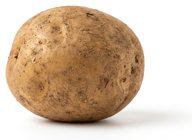 Small potato
Use the same weight. Peel only if the recipe needs it; cut to the size of new potatoes so they cook evenly. The flesh is slightly more floury.
 Potato
Use the same weight, cut into even walnut-sized pieces. It may break down a little more in long cooking, thickening the gravy.


 Peanut oil
Use equal weight. It handles high-heat cooking well, but lacks the signature pungent, nasal heat of mustard oil.
 Vegetable oil
Use equal weight. Neutral in flavour, so your curry will lack the characteristic Bengali or North Indian pungent punch.






 Garlic paste
Use equal weight. Fry gently in oil or ghee with the ginger; incorporates smoothly into curries without visible minced bits.
 Garlic powder
Use 15% to 20% of the weight (about 1 g for every 5 to 6 g fresh cloves). Whisk into sauces; gives a savoury, toasted garlic flavour without raw pungency.
 Shallot
Use 1.5 times the weight, very finely minced. Sauté until golden; provides savoury allium sweetness, though it lacks garlic's pungent sulphur bite.


 Sweetcorn kernel
Use the same weight; add 2 minutes later. It is sweeter and softer, with no crunch.
 Canned sweetcorn kernel
Use the same weight, drained; add at the end and simmer 2 minutes. Softer and less sweet than fresh.
 Green bean
Use the same weight, cut into 4 cm lengths; cook 2 minutes longer. Less sweet but keeps a crunch.


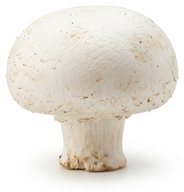 Button mushroom
Use the same weight, wipe and slice; cook 5-7 minutes. They release water, so reduce the sauce if needed.
 Fresh mushroom
Use the same weight; treat as button mushrooms, slicing thickly so they do not collapse.
 Dried morel
Use 20-30 g dried for 100 g fresh; soak 20 minutes, rinse well and use the soaking liquid. The flavour is much earthier.


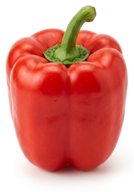
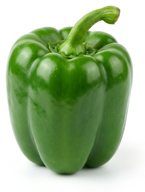 Bell pepper
Use the same weight; any colour works. Slightly less sweet if green.
 Yellow bell pepper
Use the same weight; similar sweetness and texture, only colour changes.
 Tomato
Use the same weight; it is softer and more acidic, so reduce other souring agents. Good for body, not crunch.

- Red bell pepper
Use the same weight and cook the same way. It is sweeter and turns the dish red rather than yellow.
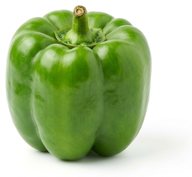 Green bell pepper
Use the same weight. It is grassier and slightly bitter, so add a pinch of sugar and cook 1–2 minutes longer.
 Courgette
Use the same weight; halve and deseed if large, and add 3–4 minutes later as it releases water. Texture will be softer.


 Tomato purée
Use 40% to 50% of the fresh tomato weight mixed with a splash of water. Imparts a deeper red colour, thicker sauce, and slightly sweeter cooked flavour.
 Plain yogurt
Use 60% of the weight, whisked smooth and added on low heat. Provides rich body and sourness, though the gravy becomes paler and creamier.


 Ground coriander
Use 75% of the weight; stir in along with wet masala or tomato purée rather than frying in hot oil, as the fine powder burns instantly.
 Cumin seed
Use 50% of the weight for tempering in hot oil. Lacks the floral, sweet citrus flavour of coriander, introducing warm, pungent earthiness instead.
 Fennel seed
Use 50% of the weight in tempering; provides pleasant aromatic sweetness, though noticeably aniseedy rather than citrusy.


 Black peppercorn
Crush whole peppercorns roughly in a mortar or under a heavy skillet; use equal weight. Yields the exact same fiery heat and crunchy bite.
 Ground black pepper
Use 70% of the weight. It disperses heat much more aggressively through sauces and can darken the dish, lacking the crunchy specks of coarse pepper.


 Fresh ginger
Use equal weight; scrape off the skin and grate or finely julienne according to the recipe.
 Ginger paste
Use equal weight; stir straight into the sizzling aromatics, taking care as the extra moisture may spit.
 Ground ginger
Use 15 to 20% of the weight; add alongside ground spices, noting it imparts warm, dry heat rather than zesty freshness.


Similar dishes

- Same: Both dishes season an onion base with fresh ginger and black pepper.
- Different: Istoo is a simmered South Indian stew cooked in neutral vegetable oil with curry leaves, whereas this dish is a North Indian stir-fry prepared in mustard oil with garlic, tomatoes, and coriander seeds.

- Same: Both are North Indian vegetable stir-fries built on a base of tomatoes, onions, ginger, coriander seeds, and cracked black pepper.
- Different: Shadras Subziyan adds green chillies, chilli powder, cumin, turmeric, fenugreek, and garam masala, but it omits the garlic found in this dish.

- Same: Navratan Korma shares with this dish onion, garlic, ginger, tomato, potato, salt and a mixed-vegetable North Indian format.
- Different: Navratan Korma adds cashews, single cream, pineapple, sugar, cinnamon, green cardamom, turmeric, Kashmiri chilli powder and garam masala and simmers cauliflower, carrot, peas and green beans in water, while this dish uses mustard oil and has mushrooms, baby corn, bell peppers, coriander seeds and black pepper but no cream, cashews, pineapple or sugar.

- Same: Parsi Lagan Sara Istew shares potato, onion, tomato, ginger, coriander and salt with this dish.
- Different: Parsi Lagan Sara Istew adds carrots, green beans, peas, raisins, turmeric, cardamom, nutmeg, chilli powder, malt vinegar and sugar and simmers with water, while this dish uses mushrooms, baby corn, bell peppers, garlic, mustard oil, crushed coriander seeds and black pepper in a stir-fry.