Indian cooking
Avial (Mixed Vegetables (I))

Avial

Mixed Vegetables (I)
Vegetarian●●●Origin KeralaPrep 30 minutesCook 30 minutes

A South Indian medley of vegetables simmered with coconut and mild spices. It is rich, lightly spiced, and creamy with subtle heat from green chillies.

Whole spices

3.3 gFried in hot oil (step 1)
01
3.3 g1 teaspoon
spice
Keep whole: they go into the hot fat first.

Ground spices

8 gStirred into the fried aromatics (step 2)
01
3 g1 teaspoon
spice
02
5 g1 tablespoon
spice
Stir together to combine.

Everything else

02
3 g1½ teaspoons
aromatic
03
12 g4 cloves
aromatic
04
125 g
vegetable
05
Green chilli · Hari Mirchde-seeded and chopped
18 g3 chillies
vegetable
06
Mixed vegetables · Sabzichopped or sliced
1000 g
vegetable
09
2 g2 tablespoons
herb
10
to taste
salt

Method

  1. Warm 125 g ghee or vegetable oil in a deep, thick-bottomed pan over medium heat. Tip in the whole spices and cook for about 1 minute until they begin popping.
  2. Add 3 g fresh ginger and 12 g garlic, frying for 1 minute. Mix in 125 g onion alongside 18 g green chilli, cooking for 5 to 7 minutes until the onions turn rich golden brown. Sprinkle in the ground spices and stir thoroughly.
  3. Tumble in 1000 g mixed vegetables, tossing well to coat with the spiced aromatics. Add 80 g fresh coconut, pour in 127 g coconut milk, and season with salt to taste.
  4. Bring the pan to a rolling boil, then dial down the heat and simmer for approximately 8 minutes until tender-crisp. Finish by stirring through 2 g coriander leaf.

Don't have something?

Ghee or vegetable oil
  • Peanut oil

    Use equal weight; handles high tempering heat well and keeps flavours neutral.

  • Butter

    Use equal weight; cook over gentle heat to prevent browning the milk solids too quickly.

Mustard seed
  • Black mustard seed

    Use the same weight. The seeds are smaller and hotter; fry in hot oil until they pop, about 20–30 seconds, and reduce the heat if they darken too fast. The dish will be a little sharper.

  • Yellow mustard seeds

    Use the same weight. They are milder and larger; fry a few seconds longer until they pop. The finished dish will have less pungency.

  • Ground mustard seed

    Use 70% of the weight of whole seed, added with the other ground spices rather than fried whole. You lose the popping texture and the heat comes through more evenly.

Fresh ginger
  • Ginger paste

    Use equal weight. Sauté in hot fat until the raw allium smell disappears; slightly wetter, but provides identical warmth and pungency.

  • Ground ginger

    Use 20% to 25% of the weight (1 g for every 4 to 5 g fresh). Stir into the gravy; adds peppery heat and warmth, though it misses the crisp, zesty kick of raw root.

Garlic
  • Garlic paste

    Use equal weight. Fry gently in oil or ghee with the ginger; incorporates smoothly into curries without visible minced bits.

  • Garlic powder

    Use 15% to 20% of the weight (about 1 g for every 5 to 6 g fresh cloves). Whisk into sauces; gives a savoury, toasted garlic flavour without raw pungency.

  • Shallot

    Use 1.5 times the weight, very finely minced. Sauté until golden; provides savoury allium sweetness, though it lacks garlic's pungent sulphur bite.

Onion
  • Shallot

    Use equal weight, finely sliced. Shallots soften and brown faster, giving a slightly sweeter and more delicate base to curries.

  • Cabbage

    Use 80% of the weight, finely shredded and browned slowly with a pinch of asafoetida. Replicates the bulk and natural sweetness in gravies without allium.

Green chilli
  • Chilli powder

    Use 10 to 15% of the weight (about 1/4 teaspoon per chilli); imparts dry pungent heat and reddens the dish without the grassy crunch.

  • Dried red chilli

    Use 1 dried pod per fresh green chilli; snap in half and temper in hot oil for a deeper, toastier heat.

Ground turmeric
  • Ground ginger

    Use 50% of the weight. Mimics turmeric's warm, earthy, rhizome background, but provides none of the golden-yellow colour.

  • Saffron

    Steep a tiny pinch (0.1 g per 2 g turmeric) in 2 tbsp warm water; use to match the rich golden hue. Contributes an aristocratic, honeyed floral flavour rather than earthy bitterness.

Ground coriander
  • Coriander seeds

    Dry-roast lightly in a pan and grind to a fine powder; use equal weight (1:1). Offers a noticeably fresher, brighter citrus note.

  • Ground cumin

    Use 50% to 75% of the weight. Lacks the floral, citrusy profile of coriander and turns the gravy heavier, earthier, and darker.

  • Garam masala

    Use 50% of the weight and stir in near the end of cooking. Adds warmth and depth since it contains ground coriander, but introduces stronger spices like clove and cinnamon.

Mixed vegetables
  • Mixed seasonal vegetables

    Use the same weight; cut into even pieces and adjust cooking time by what is in season.

  • Cauliflower

    Use the same weight with carrot or green bean if possible; cut small and allow 5–8 minutes extra cooking.

  • Frozen peas

    Use the same weight; they cook fast, so add in the last 5 minutes and adjust salt.

Fresh coconut
  • Desiccated coconut

    Use 50% to 60% of the weight, soaked in equal parts warm water for 15 minutes before grinding. Works well for chutneys, though texture is slightly finer and sweeter.

  • Coconut milk

    Use 1.2 times the weight in curries. Adds creamy richness and authentic flavour, but makes gravies smoother and eliminates the grated, chewy mouthfeel.

Coconut milk
  • Single cream

    Use equal weight; simmer gently over low heat to prevent curdling. Imparts a comparable rich texture, though it adds dairy richness without any coconut fragrance.

  • Cashew paste

    Whisk 1 part cashew paste with 2 parts water to match the consistency, then use equal weight. Provides a thick, velvety body without coconut flavour.

  • Whole milk

    Use equal weight, but reduce other cooking liquids by 20% to compensate for the lower viscosity. The curry will be lighter and lack sweetness.

Coriander leaf
  • Coriander

    Use equal weight finely chopped; this is the exact same fresh herb.

  • Mint

    Use half the weight finely chopped; provides vibrant green freshness, though the flavour profile becomes noticeably cooler and sharper.

Similar dishes

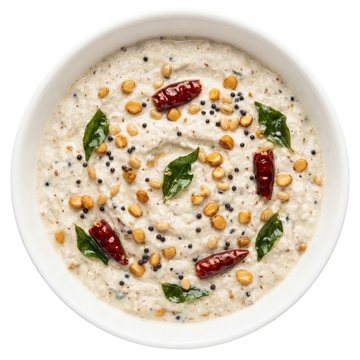
Karipatta Chutney
Curry Leaf Chutney
Karipatta Chutney tastes tangier, more intensely herbal, and significantly spicier than this creamy, mildly seasoned dish.
  • Same: Karipatta Chutney shares a base of fresh coconut, mustard seeds, green chillies, ginger, garlic, and onion with this dish.
  • Different: Karipatta Chutney is a condiment featuring curry leaves, sesame seeds, and souring lime juice, while it lacks the coconut milk, ground turmeric, ground coriander, and simmered mixed vegetables of this dish.
Dahi ki Chutney
Yoghurt Chutney
Dahi ki Chutney tastes noticeably tangier, fresher, and sharper with crunchy lentils, whereas this dish is creamier, milder, and more savory from coconut milk and cooked aromatics.
  • Same: Dahi ki Chutney shares a fresh coconut base flavored with green chillies, ginger, mustard seeds, and vegetable oil.
  • Different: Dahi ki Chutney is a raw blended condiment made with yoghurt, lime juice, curry leaves, and toasted dals, lacking this dish's simmered mixed vegetables, coconut milk, onions, garlic, turmeric, and ground coriander.
Majjida Karhi
Dal & Buttermilk Curry
Majjida Karhi is tangier and significantly spicier due to its buttermilk base and higher proportion of green chillies, unlike the milder, creamy richness of this dish.
  • Same: Majjida Karhi shares a South Indian base of fresh coconut, onion, ginger, and green chillies tempered with mustard seeds and turmeric.
  • Different: Majjida Karhi adds urad dal, basmati rice, and dried red chillies, while omitting this dish's garlic, ground coriander, and rich coconut milk.
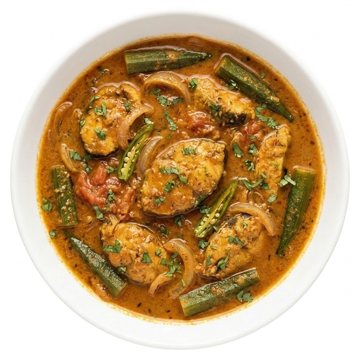
Goan Fish Curry (I)
Goan Fish Curry (I) tastes distinctly sourer and spicier from tamarind and red chillies, whereas this dish has a milder, creamier profile rounded out by coconut milk.
  • Same: Goan Fish Curry (I) shares a fresh coconut base with this dish, along with green chillies, onions, garlic, turmeric, and coriander garnish.
  • Different: Goan Fish Curry (I) cooks fish with tomatoes, tamarind extract, lemon juice, cumin, and dried red chillies, but it omits the ginger, mustard seeds, coconut milk, and mixed vegetables used in this dish.